International Seminar in Brussels
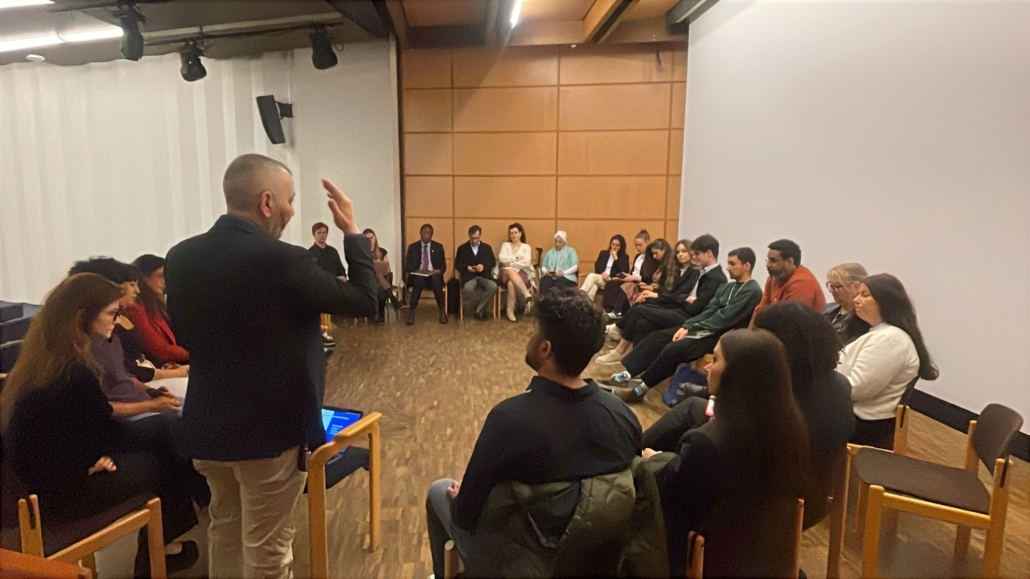
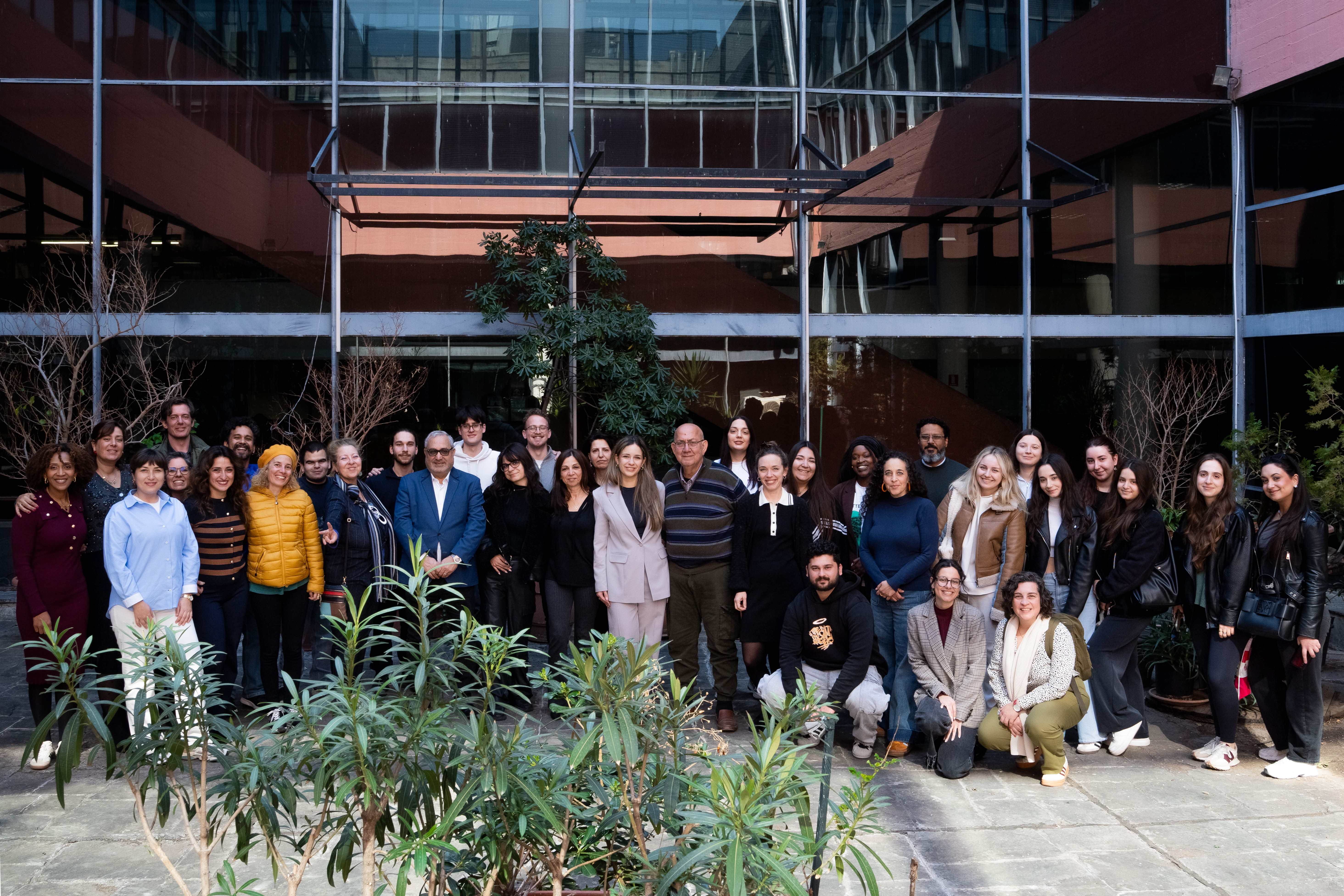
The past 11th of May all Solidarity4all partners gathered in Brussels for our final seminar. The partner, together with national and local authorities, youth representatives, people with a migrant and refugees background and other underrepresented groups, discussed the learnings of the project and the recommndations for public policy that steemed from the several project activities.
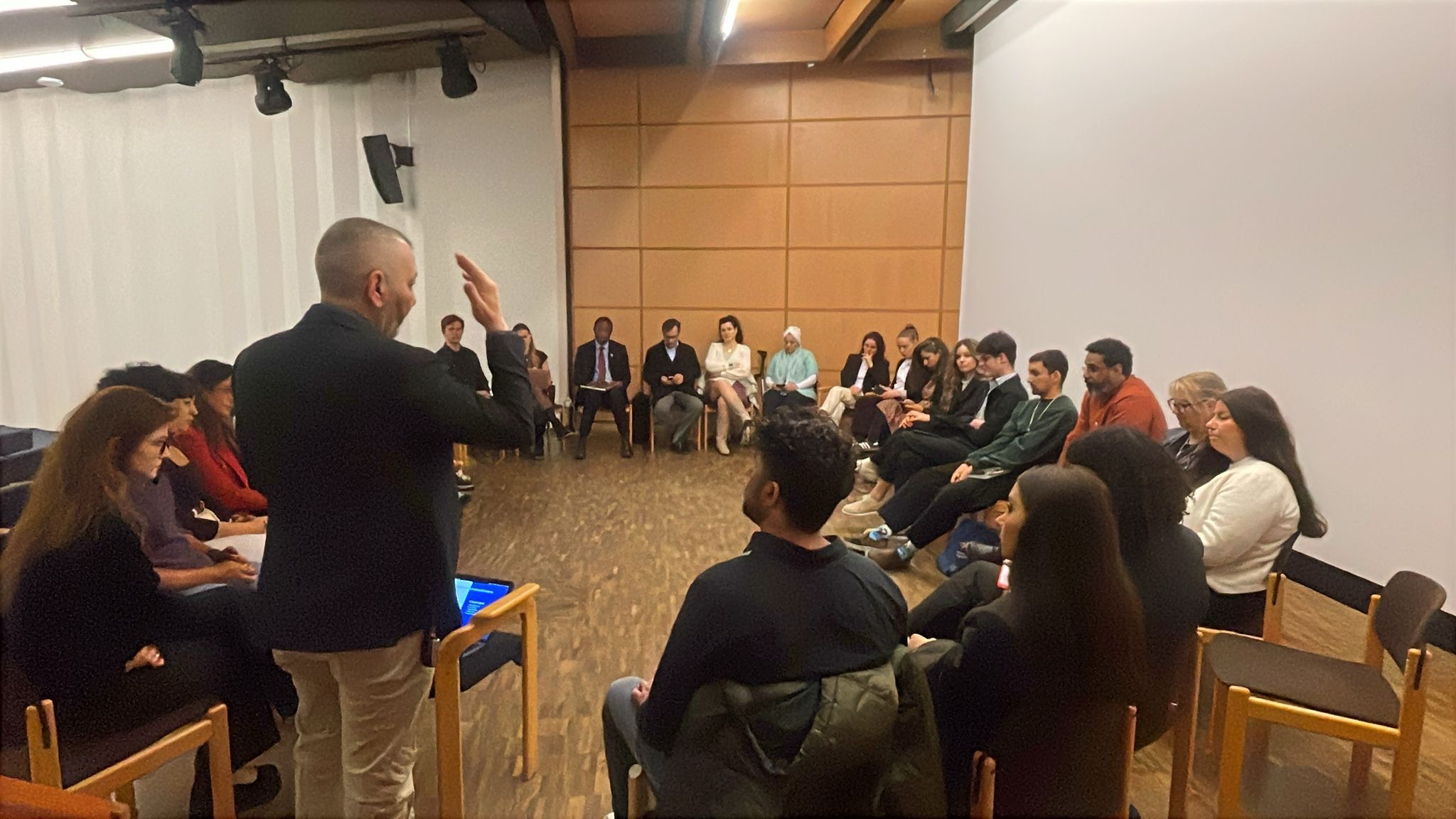
Participants representing municipalities, NGOs, universities, migrant-led organisations, youth initiatives, embassies, community mediators and civil society actors from various countries such as France, Belgium, Hungary, Egypt, Sweden, Syria, and South Sudan. Key outcomes included strengthened networks among diverse stakeholders and identification of practical approaches to enhance participation, democratic resilience, migration, inclusion, and social cohesion in European communities.
The event aimed to transform local experiences and grassroots realities into practical policy reflections and recommendations. Through interactive discussions, panel debates and stakeholder exchanges, participants explored the relationship between institutions and underrepresented communities, with particular attention given to migrants, minorities and socially excluded groups across Europe.
A central theme throughout the day was the idea that democratic participation cannot be reduced solely to formal political mechanisms such as voting. Participants repeatedly stressed that participation also takes place through everyday community life, volunteering, cultural activities, sports, neighbourhood initiatives, youth work and informal solidarity practices. Several speakers highlighted that these local and informal forms of engagement often create stronger trust and more sustainable inclusion than institutional consultation mechanisms alone.
Discussions also revealed a significant gap between institutional participation frameworks and the lived realities of many communities. Participants described public institutions as bureaucratic, difficult to access and often disconnected from everyday social realities. Language barriers, administrative complexity, limited feedback mechanisms and the use of institutional language were repeatedly identified as significant barriers preventing people from engaging with local authorities and public services.
Particular emphasis was placed on the importance of trust, representation and belonging as preconditions for meaningful democratic participation. Many participants noted that migrants and minority communities frequently do not feel heard, represented or welcomed within existing institutional systems. Several interventions stressed that participation becomes ineffective when individuals perceive themselves merely as targets of projects rather than active contributors capable of shaping decisions and community development.
Conference strongly highlighted the role of community mediators, grassroots facilitators and local leaders who already hold trust within communities and can therefore act as bridges between institutions and residents. Examples presented by participants from Portugal, Denmark and Greece demonstrated that direct dialogue, informal community spaces and person-to-person approaches often generate stronger engagement than formal top-down participation structures.
Another major conclusion concerned the need to move beyond symbolic participation toward genuine co-creation and co-decision processes. Participants argued that underrepresented communities should be involved from the earliest stages of policy development and implementation rather than being consulted only after decisions have already been prepared. The discussions further emphasised that long-term inclusion cannot be achieved solely through short-term projects, but requires sustainable structural approaches capable of addressing inequalities connected to housing, employment, education, legal insecurity and access to services.
The reflections, experiences and recommendations collected during the Brussels conference day will contribute to the development of the Sol4All policy recommendations and future dissemination activities at local, national and European levels.
During the months of May to August, national seminars will occur in all 5 countries, to share the results and the learnings of the project so far, ensuring dissenination and inspiring other projecats and organisations.


Leave a Reply
Want to join the discussion?Feel free to contribute!