Latest News and Stories
All the news that are relevant for our solidarity community
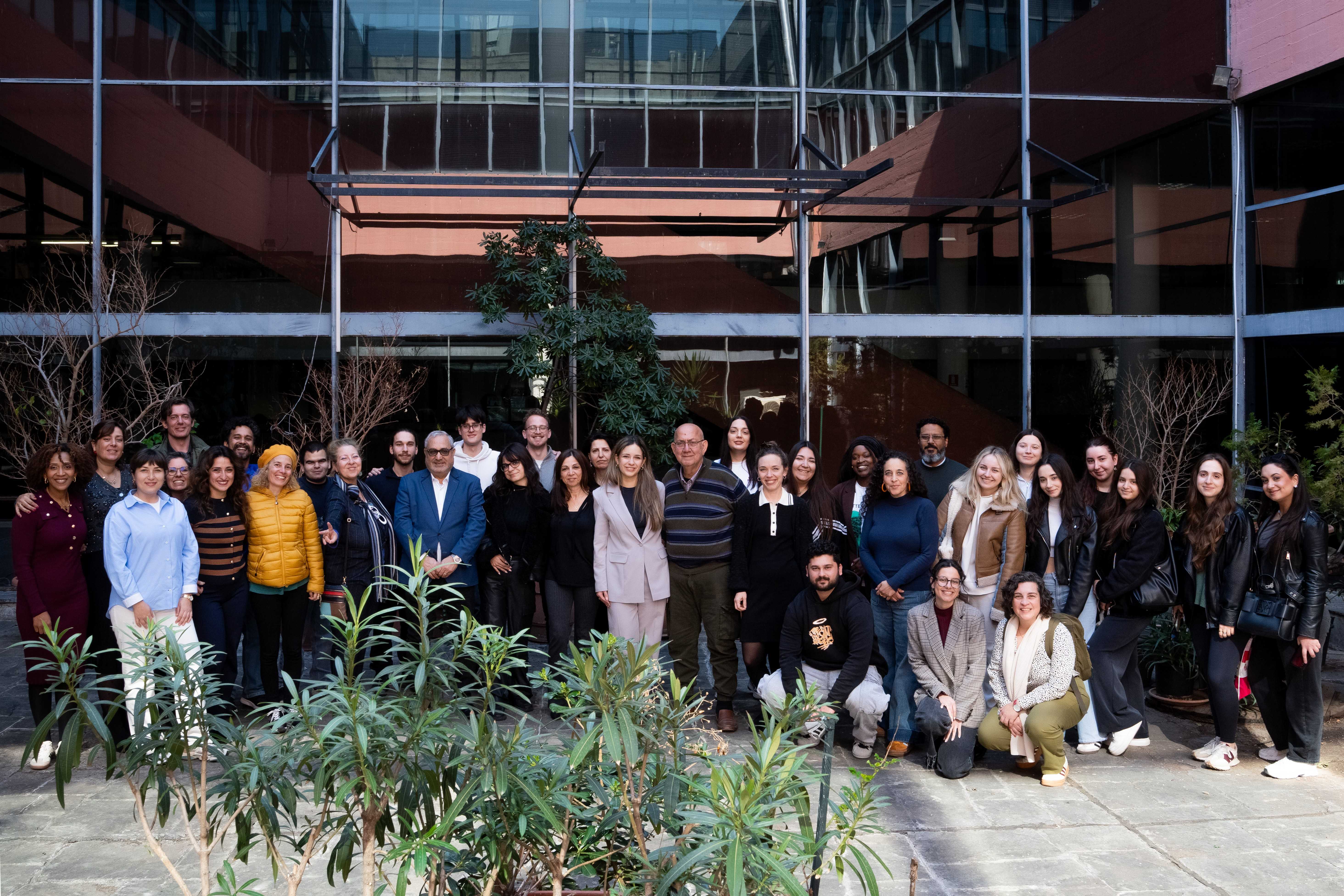
Solidarity4all: belonging and active citizenship for inclusive European Solidarity, was a 2-year project (2024-2026) led by AKF Portugal and funded by CERV-CITIZENS, EU.
The general objective of Sol4All was to strengthen solidarity ecosystems by increasing the participation of underrepresented communities (UCs) at the local, national, and European levels. This directly relates to the Call’s objective of promoting citizens’ and representative associations’ participation in, and contribution to the democratic and civic life of the Union. More specifically, the proposed Action will focus on solidarity and will address the Call’s thematic priority around engagement of citizens and communities in discussions and action related to solidarity.
To achieve its objectives, Sol4all worked with the following groups:
1. Citizens, with a special focus on underrepresented communities – UC (cf. further below)
2. Civil Society Organisations (CSOs)
3. Local, National, and European decision-makers.
The project was guided by the following objectives:
• Enhancing Citizens and CSOs resources and opportunities for participation.
• Mapping and Improving Participation and Solidarity Mechanisms (at Local, National and European Levels), identifying barriers and improving accessibility and alignment with UCs needs.
• Enhancing National and Local Authorities’ capacity for leveraging participation and ensuring the inclusion and representation of underrepresented communities in the solidarity ecosystems, to build sustainable and inclusive policy solutions.
• Raise awareness of decision-makers at the local, national and EU level on the importance of participation for solidarity, belonging and social cohesion to influence policymaking.
The overall objective of Solidarity4All has been to strengthen ecosystems of solidarity by increasing the participation of underrepresented communities (UCs) at the local, national, and European levels.
This is directly linked to the goal of promoting the participation and contribution of underrepresented associations and individuals to the democratic and civic life of the Union. More specifically, the project focused on engaging diverse communities in discussions and actions related to solidarity and civic participation.
Underrepresented communities (UCs) refer to groups of people who are insufficiently represented or who have limited visibility, influence, or access to resources within a given society or context. The term encompasses a diversity of groups facing distinct challenges in society.
To engage underrepresented communities, the project used participatory approaches that encouraged people to share their experiences, identify local challenges and contribute ideas for improving their communities.
The project’s various activities included: a Participatory Diagnosis; collaborative mapping of existing mechanisms for solidarity and participation; training for associations (community leadership) and local authorities (participatory methodologies); Support for community-led local solidarity activities; think tanks to discuss recommendations for public policies in each country; 5 national seminars; 1 international seminar (Brussels); and a documentary. As the final outcome of the project, 15 public policy proposals were developed based on discussions in the think tanks, which involved policymakers, public agencies/local governments, underrepresented communities, and civil society organizations.
Each of the proposals offers a specific approach to adapt and test locally that can be adjusted to every EU country.
The project collected six proposals from Portugal, two from Denmark, two from France, three from Greece and two from Sweden. The table below retains the partners’ substantive priorities while shortening their descriptions for policy use.
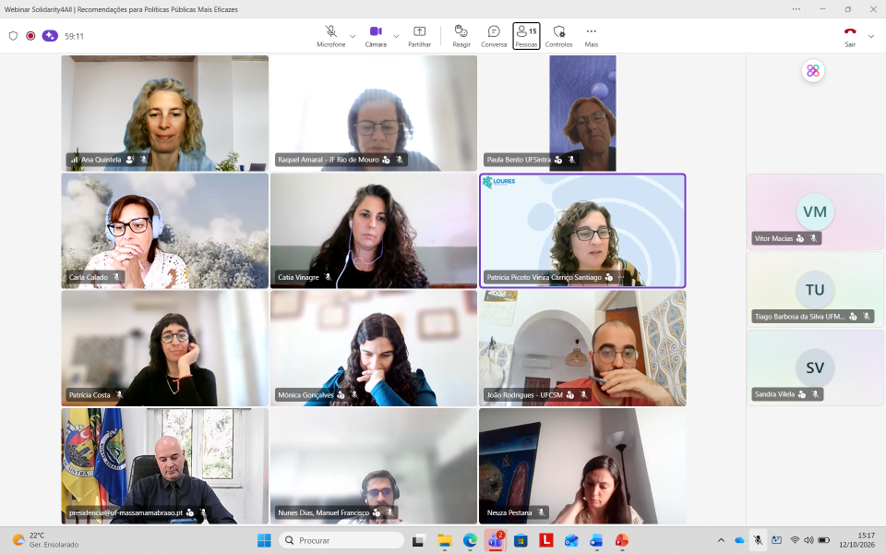
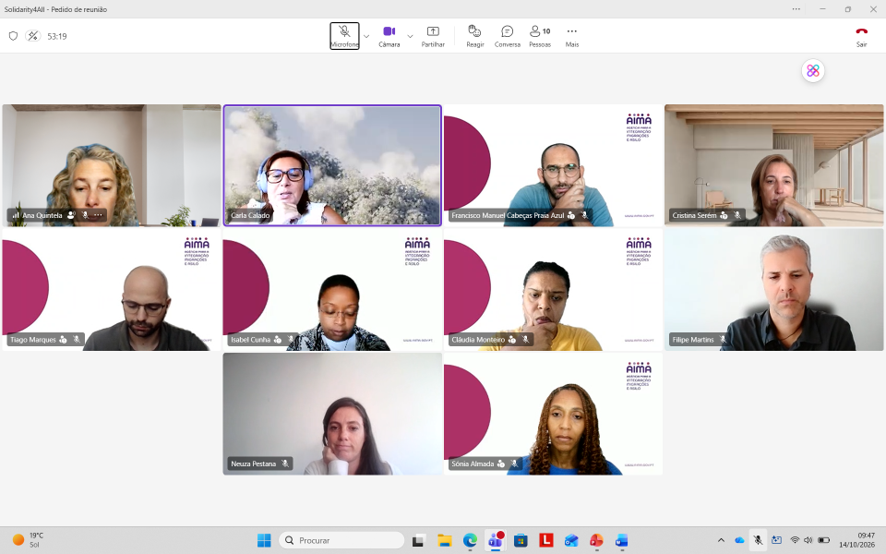
A Policy Brief collected all the proposals from each country in one document, that was disseminated trough the Communication Campaign. The proposals were presented to 196 national and local Decision makers from 8 countries.
Get to know the full 15 recommendations collected here:
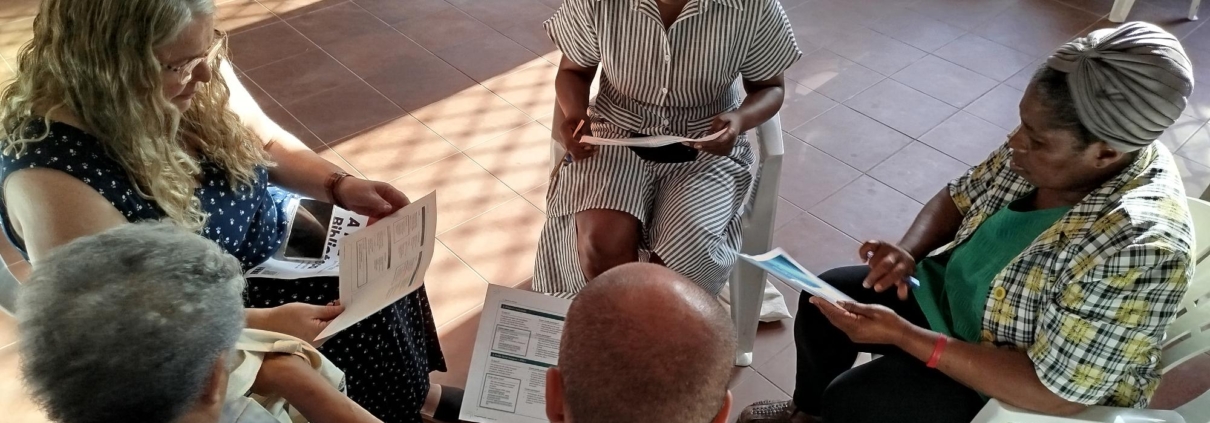
Throughout the project, the solidarity4all team organized 15 international community of practice meetings.
Alongside national meetings led by each partner organization, these Europe-wide online meetings brought together all partners, including national partners.
The topics varied according to the identified needs and focused on the methodologies that would be used throughout the project’s activities.
Below are examples of some of our sessions:
In May 2025, the Aga Khan Foundation Portugal presented the Groundstigators methodology.
In September of the same year, the session focused on the Futures Search methodology, to be used in the Think Tanks scheduled for early 2026.
In November 2025, we learned about Human-Centered Design, a useful methodology for developing local solidarity projects with community leaders.
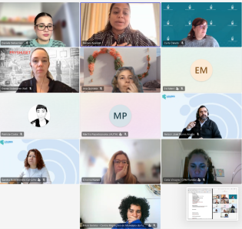
In May 2026, the session focused on Photovoice, a methodology that can be used in the project’s evaluation.
Overall, 195 people partcipated and the feedback on these sessions was very positive; they helped align concepts and methodologies and provided practical knowledge useful for each organizations’ work on the project and beyond.
Along the project, a documentary was filmed. It intended to raise awareness to the barriers and opportunities for participation and solidarity in Underrepresented Communities accross Europe.
The documentary was launched in a EU wide webinar in July and featured several participants in the project such as community leaders, CSO members, LA officers and Decision makers and was also screened in the several local communities engaged, with follow-up debates.
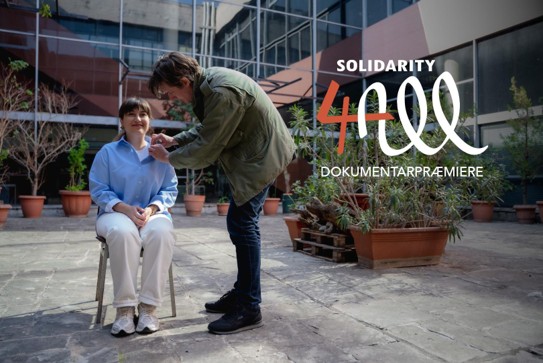
In total, 168 people from 16 countries participated in the filming and webinar. A communication campaign was also implemented reaching +15000 people. Watch the Documentary on our website here:
.
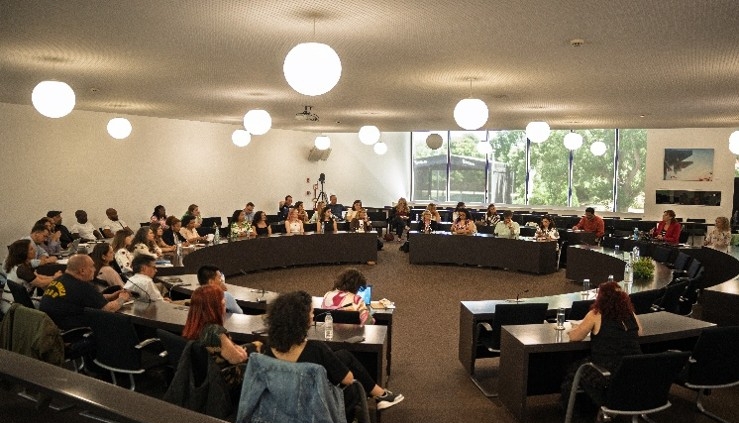
As part of our project, each country hosted national seminars to present project results so far and engage citizens of diverse groups, decision-makers and local authorities in fruitful debates around Solidarity and Participation.
In total, 5 seminars were held. Bellow you can know more about each one of them:
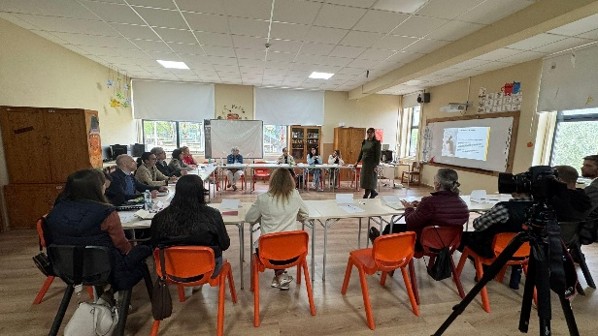
In Portugal, the Ag Khan Foundation togheter with it´s national partners organised a national seminar on the 2nd of June.
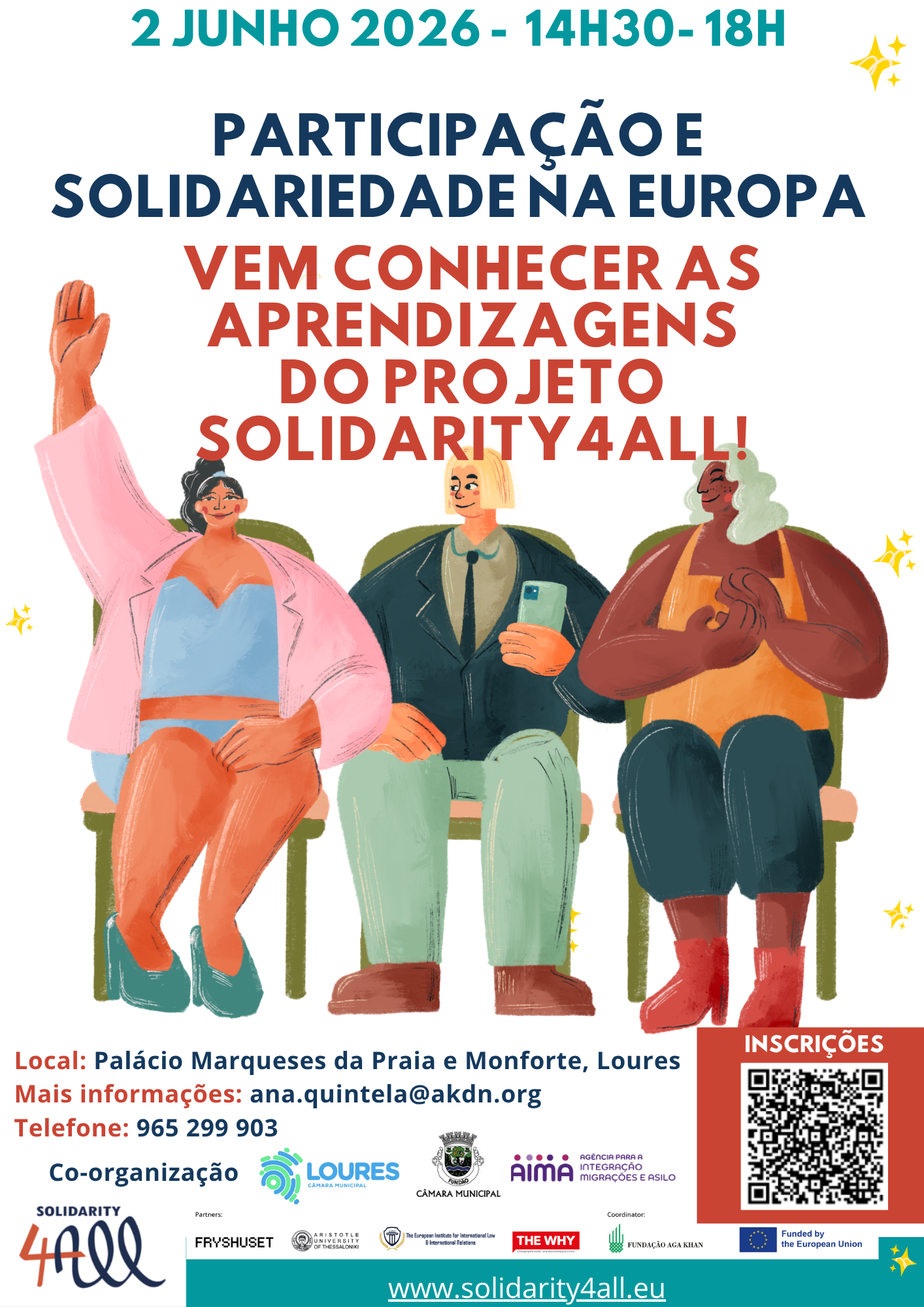
The Seminar was held in a venue granted by Loures Municipality and had the presence of several representatives fro the Fundão Municipality and AIMA – National Migrations and Asylum Agency. Also, several of the local community leaders were invited to be present. The invitation was also extended to external entities, such as other municipalities and organisations fro the social sector. In total, 57 people were present at this event.
The event was designed to mirror the spirit and values underlying or project, and, as such, the panel participants were residents of Fundão and Loures, as well as representatives from these municipalities and AIMA – National agency for asylum and migration. Some of these stakeholders had not yet had the chance to cross paths in person and at the event had the opportunity to identify common issues and experiences, but also specificities of each territory.
During the Q&A period several people contributed with relevant questions and suggestions, including people from underrepresented communities who were not involved in the project. All these contributions were added to our notes and will be reflected in the final policy recommendations. 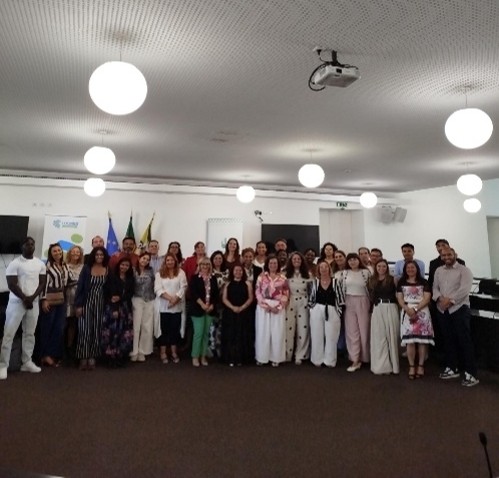
After the conclusion of the seminar, those present also expressed, in loco, their great satisfaction with the fact that they were able to share or listen (depending on whether they participated in the thematic panels or were in the audience), real testimonies and proven changes already visible. It should be noted that the people who participated directly in the project activities and who testified in the same thematic panel, were very pleased to have been able to do so with people from other territories, and greatly valued having been able to meet other beneficiaries who had a similar role in the project.
The event brought together representatives of Civil Society Organisations, local authorities, community leaders, academics, students and citizens interested in solidarity, civic participation and inclusive governance. The seminar served as a national dissemination and reflection event, presenting the main activities, achievements and lessons learned from the implementation of the project in Greece, while also providing participants with the opportunity to actively engage in participatory exercises inspired by the methodologies developed throughout the project.
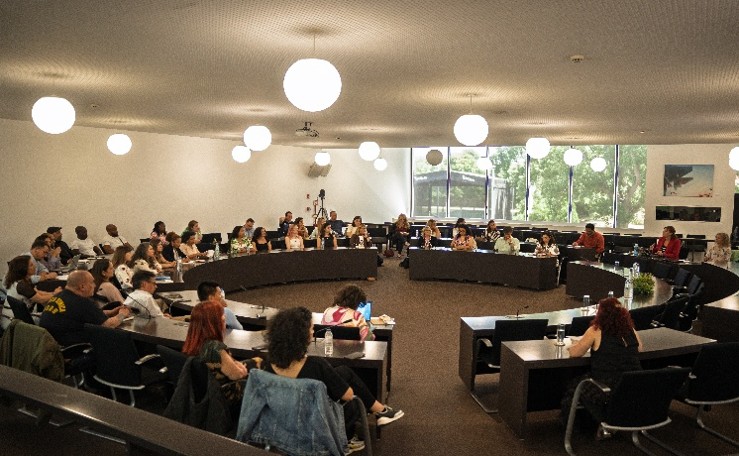
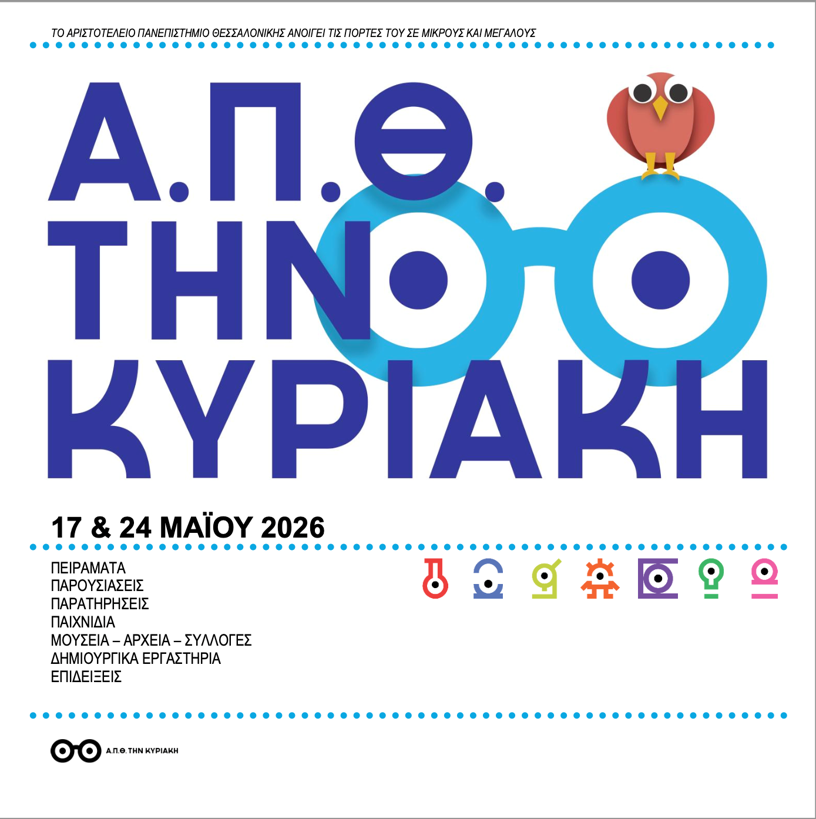
The national seminar in Greece was organised under the AUTh on Sundays, one of the most dynamic initiatives of the University, launched in 2012 to make Aristotle University of Thessaloniki (AUTh) open and welcoming to everyone on selected Sundays in May, AUTh comes alive and invites people of all ages to experience knowledge up close. Through experiments, observations, creative workshops, games, and guided tours in the museums, archives, and collections of AUTh, visitors of all ages can discover firsthand the important educational work taking place. In total, 53 people participated.
 The programme combined presentations, discussion sessions and interactive workshops. Participants were introduced to the objectives of the project, the results of the participatory assessment, the Communities of Practice meetings, the capacity-building trainings for Civil Society Organisations and Local Authorities, the local Think Tanks, and the outcomes generated at both national and European levels. Particular emphasis was placed on the role of solidarity ecosystems, citizen participation and the inclusion of underrepresented communities in democratic processes.
The second part of the seminar focused on participatory engagement through two interactive activities. Participants reflected on positive and negative aspects of civic life and solidarity in their communities and subsequently developed collective visions for the future of their communities through a structured foresight exercise. These activities encouraged dialogue, mutual learning and collective reflection, while creating a direct connection between the project findings and participants’ lived experiences.
The project adopted a participatory methodology that actively involved Civil Society Organisations, local authorities, community representatives and citizens in all phases of implementation. Rather than treating participants as passive beneficiaries, Solidarity4All sought to engage them as co-creators of knowledge and contributors to policy discussions regarding social inclusion and democratic participation.
The seminar therefore had a dual purpose. First, it provided an opportunity to disseminate the project’s main findings and achievements to a broader audience. Second, it created a space for collective reflection on the future of solidarity, participation and community development in Greece.
The event highlighted how local experiences can contribute to broader European discussions regarding democratic engagement, inclusion and social cohesion. By bringing together different stakeholder groups, the seminar fostered dialogue across sectors and reinforced the project’s objective of strengthening solidarity ecosystems at local, national and European levels.
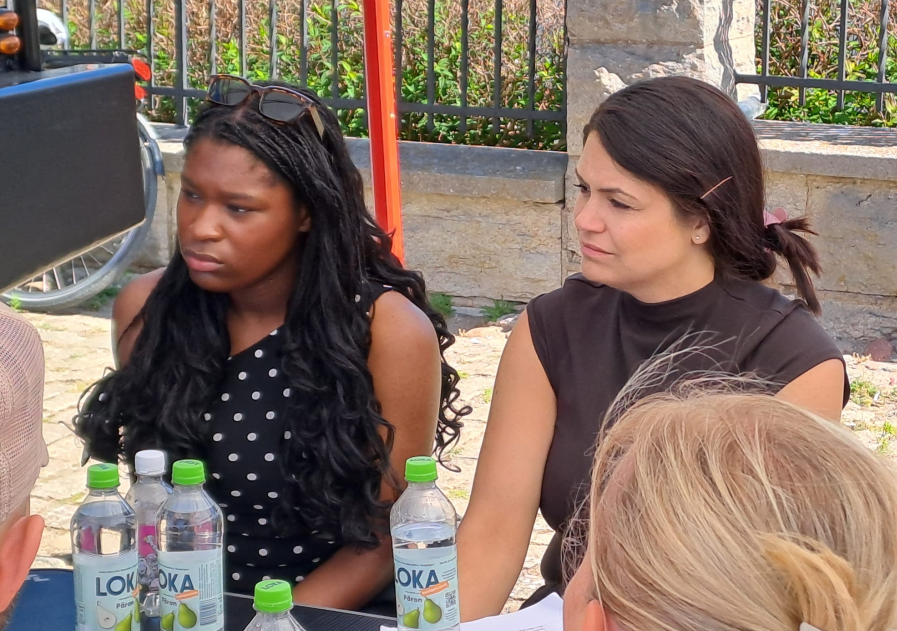
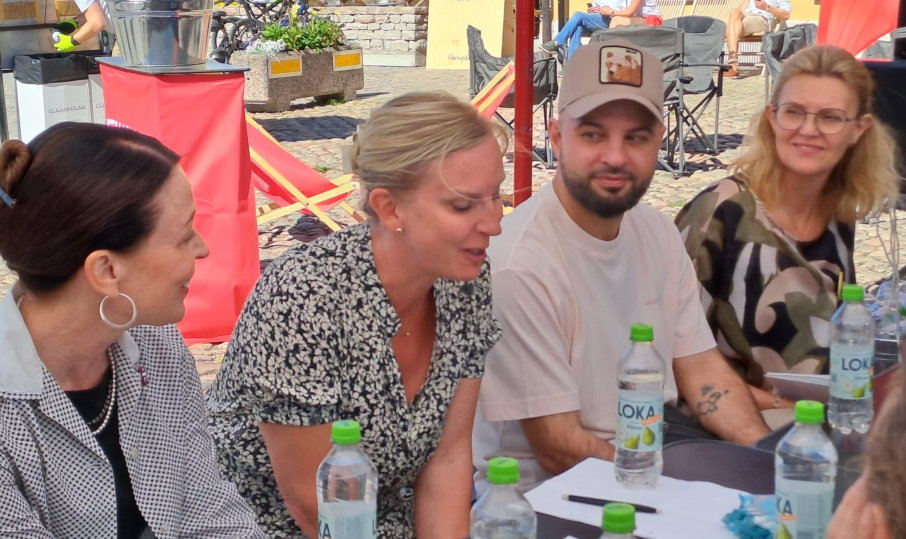
In order to share results and deliverables from the Sol4All project, as well as to promote and continue the debate on participation and solidarity for underrepresented (youth) communities, Fryshuset Foundation held a seminar at the yearly Almedalen Politicians Week in Visby, Gotland on the 25th of June 2026.
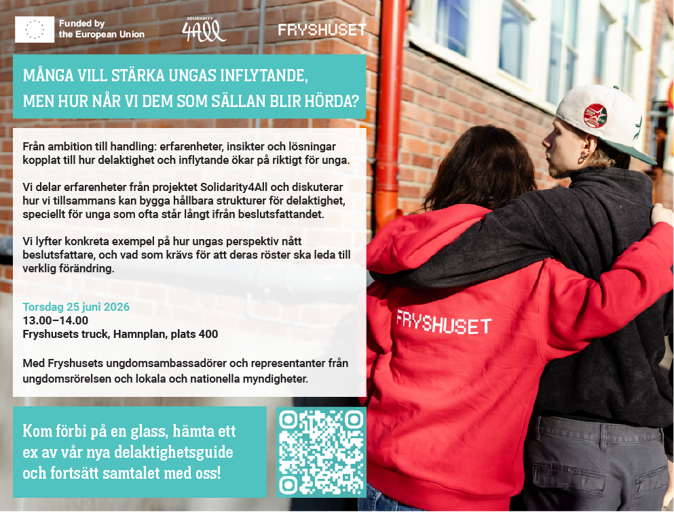 This forum was actively chosen for the national seminar, due to Almedalen Week being Sweden’s largest democratic forum, bringing together politicians, public sector leaders, civil society organisations, businesses, researchers and citizens to discuss societal challenges and opportunities. It creates a unique arena for dialogue, knowledge-sharing and collaboration on issues such as social inclusion, democracy, welfare and sustainable community development. Thus a perfect space for sharing the results and deliverables from Sol4All with national and local authorities, decision-makers, as well as young changemakers and interested civil society actors.
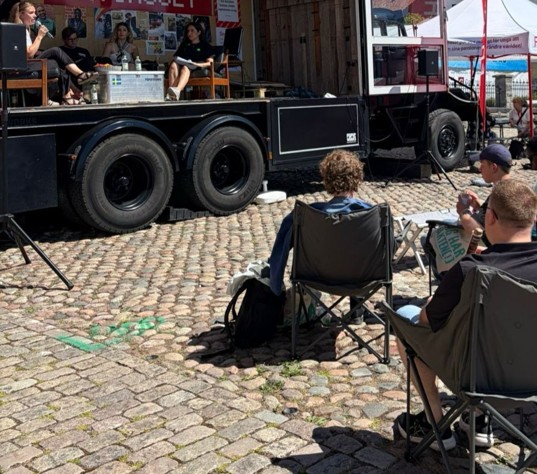
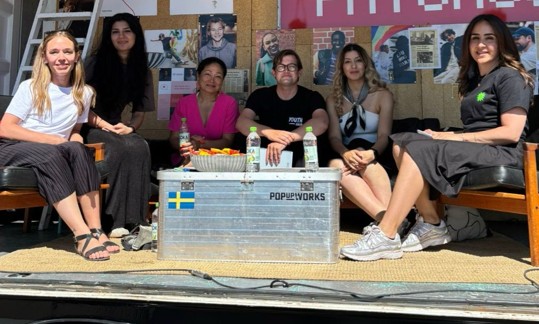
The event invitation went out to everyone who had participated in the project, as well as relevant actors present during the Almedalen Week and the broader public through social media communication platforms. In total 63 people participated.
The panellists consisted of representatives from national authorities, local administrations, youth organisations, and persons from underrepresented communities. The seminar participants overall were a mixed group, but the coherent feedback during and after the seminar was that it gave new perspectives on the situation for youth in Sweden, a sense of wanting more collaboration both within civil society and with public actors, and that youth themselves need to be in the forefront of design and actions for strengthening their participation in society.
The results from a questionnaire sent out after the seminar showed that all responding participants thought that the seminar contributed to increased possibilities for dialogue and discussion around topics of participation and solidarity, that the content was relevant for them, and that the moderator and presenters were easy to understand. All respondents felt safe to express their opinions and felt that they could participate and contribute with their perspectives to the discussion. Different opinions and perspectives were perceived as welcome and everyone got to speak up. All respondents also said that the seminar led to useful insights:
“Yes, it gave me, as a municipal employee, a greater understanding of the conditions and circumstances of young people.”
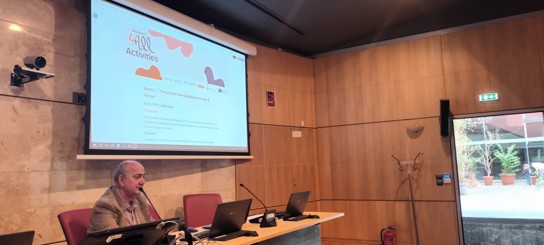
The activities held in 18th April 2026 convened a diverse group of 68 stakeholders, including policymakers, CSOs, researchers and participants from underrepresented communities, with the aim of fostering dialogue on migration, social inclusion and participatory governance.
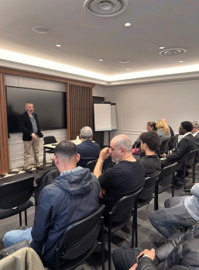 The discussions revealed a persistent gap between policy frameworks and their effective implementation on the ground. While formal mechanisms for inclusion and participation are in place, they often remain inaccessible to those most affected due to structural barriers such as administrative complexity, language constraints and socio-economic inequalities.
Participants highlighted the interconnected nature of these challenges, emphasizing that issues such as housing, employment and access to public services cannot be addressed in isolation. The need for more integrated, cross-sectoral approaches was strongly underlined.
A key finding of the activities is the limited inclusion of underrepresented communities in decision-making processes. Despite being directly affected by policy outcomes, these groups often lack effective channels to express their needs and contribute to policy development. This results in a disconnect between institutional responses and lived realities.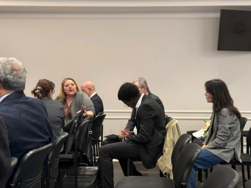
The discussions also demonstrated the importance of inclusive and participatory formats that enable meaningful exchange between stakeholders. Such approaches not only enhance mutual understanding but also contribute to the co-creation of more effective and context-sensitive solutions.
The insights gathered during the Paris activities will feed into the development of a comprehensive set of policy recommendations within the SOL4ALL project. These recommendations will be based on both cross-country analysis and context-specific inputs, ensuring relevance at local, national and European levels.
Moving forward, the project will focus on consolidating partner contributions, engaging key stakeholders and disseminating findings to support evidence-based and inclusive policy-making processes across the European Union.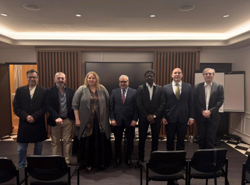
Overall, the Paris activities underline the need to move from formal inclusion frameworks towards more practical, accessible and community-driven approaches that can effectively bridge the gap between policy and practice.
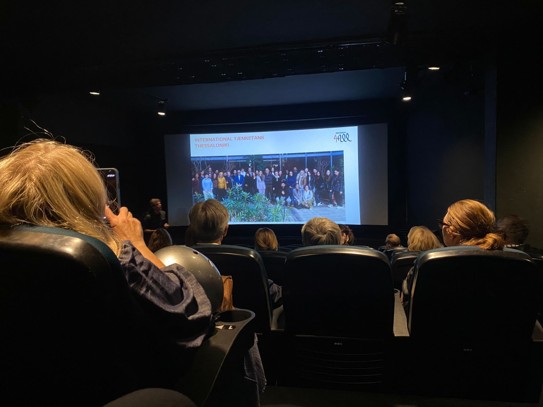
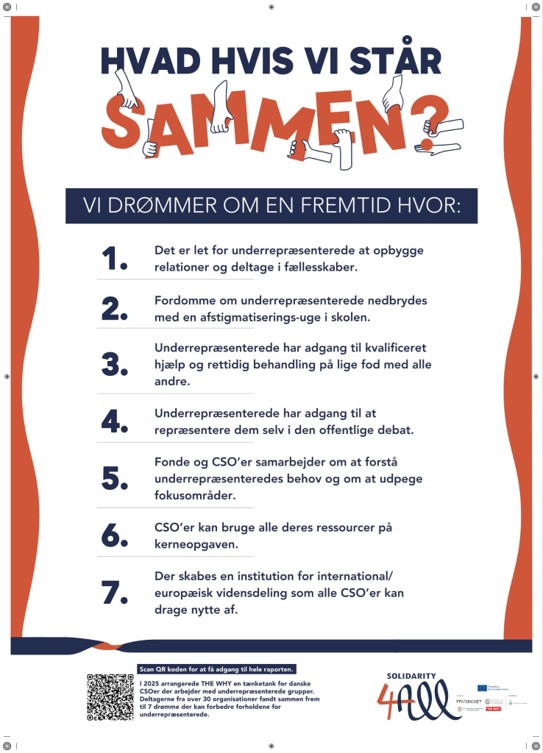
The event took place at Gloria Cinema in Copenhagen on the 18th of August 2026. 52 attendants were given a presentation on the activities of Solidarity For All throughout the project period, in Denmark as well as in the partner countries. We shared with them the highlights of the Evaluation report and illustrated common ground between the results of the project and the dreams we had collected from 30 Danish CSOs during our national think tank. 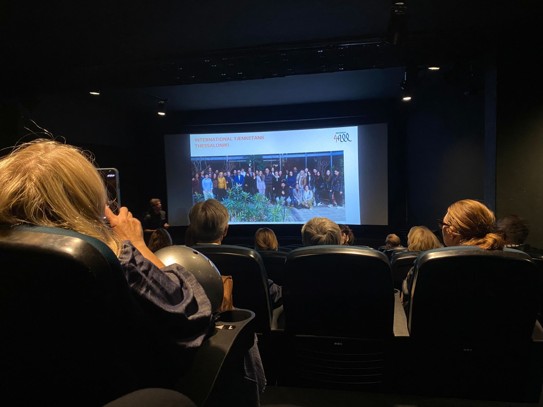
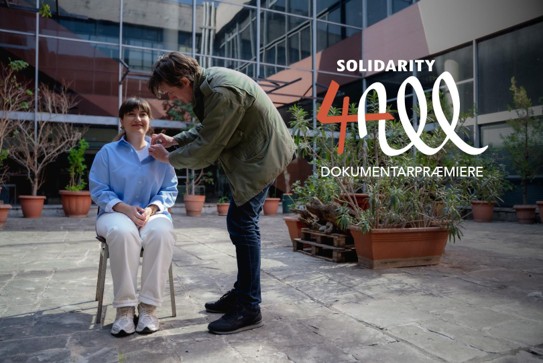
The results from the national think tank were further disseminated through posters and QR codes that directed the attendants to our national think tank report. Following we showed attendants the Solidarity For All documentary, produced by The Why. The film tells the story of the underrepresented and the road to participation through the Solidarity For All activities. It was well received and applauded. We then engaged the attendants in a debate about the project and the film, moderated by Martin Lange.
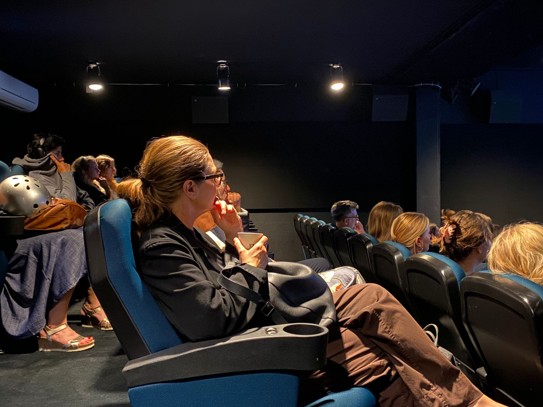 Many positive comments were shared, and ideas for dissemination and further use were discussed. Many CSO representatives saw their work and mission reflected in the film, and it was suggested to use the film for educational purposes in secondary education in Denmark, and to share it with CSOs that could use it to illustrate the usefulness of their work. In the following networking sessions representatives from Crossing Borders were especially interested in including the film in their work in Danish schools.
The seminar was attended by participants from the following organizations:
The Why Foundation, Crossing Borders, Fonden Bindeleddet, Mænds Helbred, Danida, Lær for Livet, WFU (Ukraine), Københavns Kommune, Orchid, Børnehjælpsdagen, Plus Pictures, UNICEF.
Programme:
14.30 – Meet and greet,
all the attendants get to know each other.
15.00 – Presentation of the Solidarity For All project by project manager for The Why, Martin Lange – special focus on results and dissemination.
15.30 – Screening of the Solidarity For All documentary produced by The Why
16.00 – Debate about the film and its dissemination, all attendants are welcome to participate
17.00 – Networking session
Between Jnauary and June of 2026, 3 partners (Aristotle Univ in Greece, Aga Khan Foundation in Portugal and Frushuset in Sweden) have implemented Local Solidarity activities.
These activities were designed, led and implemented by participants in the trainings held previously, using a “learn-by-doing” approach. The goal was to invite representatives from diverse communities to debate about local needs in terms of solidarity and participation and design solutions and initiatives that could be used to improve the lifes of underrepresented communities.
The activities not only provided moments of refletion, comunity sharing and participation, as also ment a significant visibility for several groups and local leaders, allowing first time access to local municipal resources and reputational and social capital growth. New partnerships are now forged that can go on well further the project end.
Below we present a summary of activities in each country:
GREECE
The first initiative presents a youth-focused “Volunteering Day” organized by university students, which successfully connected young adults with established civil society organizations to promote accessibility, digital literacy, and community volunteerism.
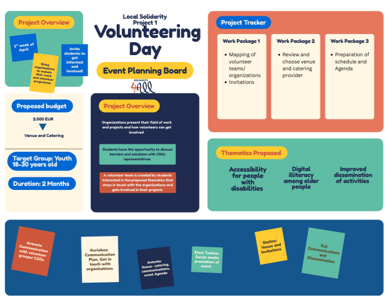
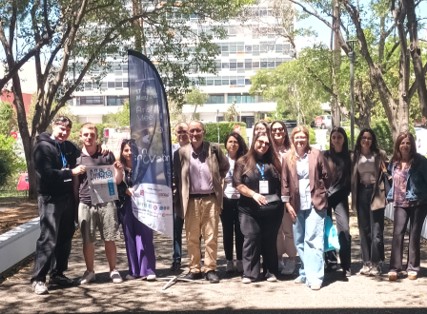
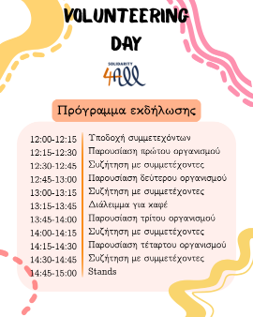
The second action, “Once upon in SKG,” shifted the management responsibility to local non-formal initiatives and civil society organizations, utilizing creative, allegorical storytelling and a Reverse World Cafe format to co-create solutions to operational obstacles. The final action integrated participatory art and social intervention through a historical theatrical reading performance by an amateur theater club, directly linking two-hundred-year-old testimonies of gender inequality and institutional barriers with modern-day civic dialogues.
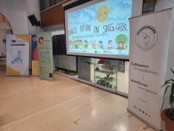
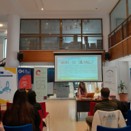
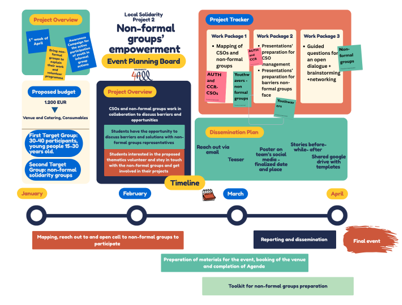
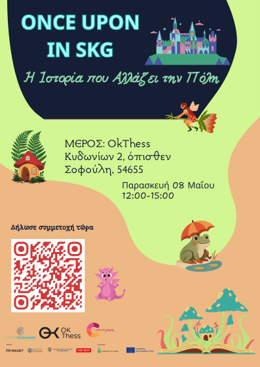
Together, these activities form a cohesive portfolio of community engagement that effectively translates overarching European solidarity values into measurable, local achievements.
PORTUGAL
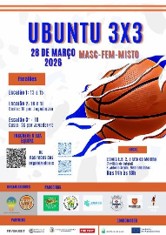
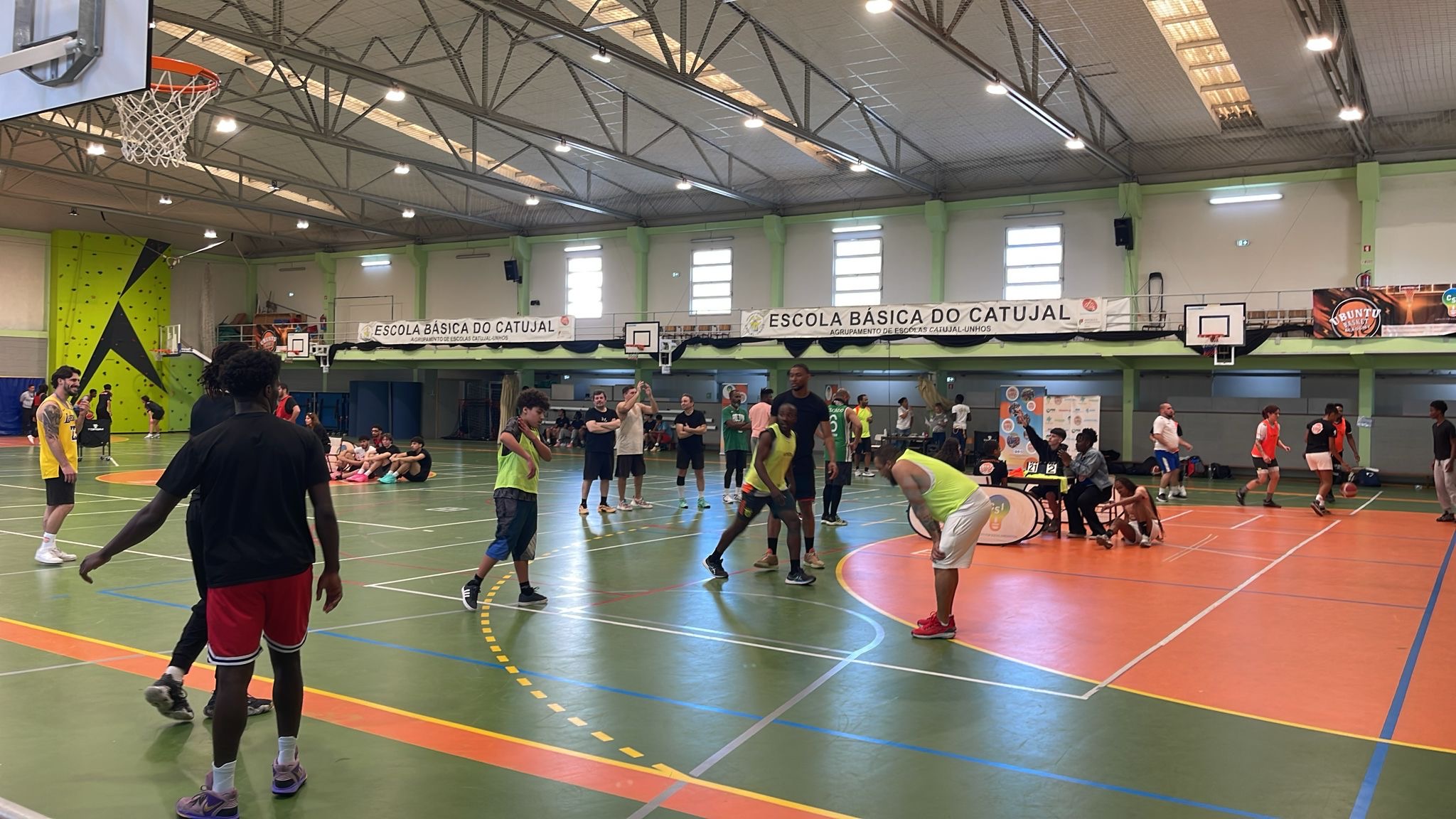
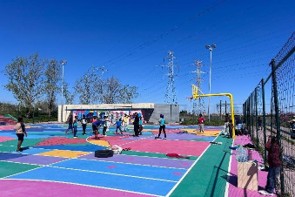
1.3×3 Basketball Tournament – Loures
The group was initially made up of 3 people who were in the training (WP 10), 2 belonging to 2 different local associations (CSI – Capacity for Social Innovation association and Batoto Yeto) and 1 joined as an individual. Another element that collaborates with one of the associations to support the development of this activity was also co-opted.
The objectives of the local solidarity activity were:
The activity is aimed primarily at young people and adolescents, mostly residents of the municipality of Loures, covering participants from different areas and neighbourhoods, with a special focus on promoting youth participation in a community context.
The evaluation was carried out later, with the organising team and the team of volunteers of the event, who collected feedback during the tournament, and which revealed, for example, that this tournament had effectively been recognized as a different tournament. The players who participate in other tournaments, including those organized by federations, considered that this had a different impact: they felt that in this “it was really to play basketball, only, without anything external, that was there bothering even in terms of competition. It was competitive (…) but a healthy competition”.
Also on the part of the parents, the feedback collected revealed that they felt tremendous pride in their children, as they saw them helping with concrete tasks, “so concentrated, so committed, doing everything so right. He never had that attitude and here [at the tournament] it seemed like he was in his job executing everything perfectly”.
2. J.A.M.: JOURNEYS FOR THE ARTS IN MOTION – Fundão
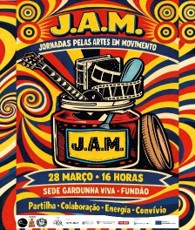
The group was composed by 3 people who were in the CSO & UC training – WP10, 2 belonging to 3 different associations (Coletivo Montanha, Fatela Sónica e Fua Fura).
The objective of the local solidarity activity was the creation of partnerships that increases the visibility of artistic and cultural entities and with greater impact on the local population.
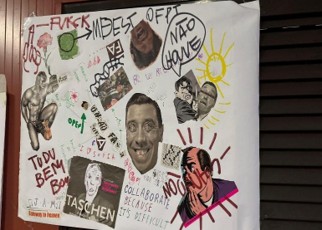
This activity arises from the recognition of the weak synergies between local entities (Beira Interior) of the cultural sector. The group decided to host a CSO gathering with the goal of promoting multidisciplinary partnerships between cultural entities, identify skills and resources of the cultural entities involved, increase the number of participants in the events/activities of cultural entities, and also create a transversal online cultural agenda.
J.A.M.’s satisfaction survey reveals a high level of overall satisfaction, with 55.6% giving the maximum score and 44.4% slightly lower ratings, indicating a very positive perception of the initiative. The participants suggested several cultural organizations in the region for future editions, reinforcing the interest in expanding the network of collaboration and diversity of entities involved.
3.Workshop on Nonviolent Communication – Fundão
The group was made up of 4 people who were in the CSO & UC training – WP10, 2 belonging to 1 association, 1 belonging to several local associations and 1 individual person.
The objective of the local solidarity activity was to foster active listening skills and non-judgment attitude towards students and families in the school context through a Nonviolent Communication workshop.
The activity initially had as its target audience teachers, educational assistants, parents of the Fundão School Group and political decision-makers, but ended up being limited to teachers and educational staff working at the school.
This activity arises from the group’s observation that there are still communication barriers in the territory and that it is urgent to promote a more inclusive and non-judgmental school environment.
The feedback obtained at the end of the session demonstrated the importance of this type of session in the continuous training of teachers and the willingness to continue these exchanges.
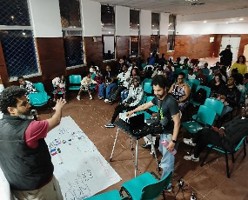
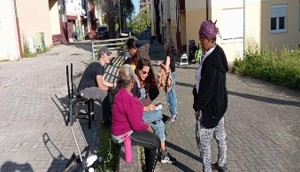
4.M.I.C. Community Day (Community Intervention Method) – Loures
The group was composed of several people who were in the training (WP 10), part of them belonging to 2 local associations (Mocho + e Social Innovation Sports) part belonging to an informal collective belonging to the Catholic Church and part participating individually. This group is interesting, from the point of view of its diversity, both in terms of ages and in terms of the vision they had for the implementation of the activity.
The objective of the local solidarity activity was to contribute to increasing participation and civic activity in the community and, at the same time, to create a co-constructed method with the community, to increase citizens involvement and ensure more appropriate responses to local needs.
The specific objectives were:
On the day of the event, more than 250 people were involved, from children to seniors.
In addition to the exceptional involvement of people of various ages who joined the activities, it was interesting to witness that some of them spontaneously supported the organizators of the event as the day went by, thus revealing high levels of community mobilisation and solidarity.
SWEDEN
Training of trainers for youth leadership training in Arvika Municipality, Sweden, 28-29 April 2026
Between 2025 and April 2026, Fryshuset developed and delivered a Training of Trainers programme in Arvika Municipality to prepare youth professionals and educators to facilitate Leadership Training for Young People. The training brought together professionals and volunteers from different municipal services working with young people as well as from local civil society organisations/groups and aimed to strengthen their capacity to support youth leadership, participation, and personal development through structured leadership education.
The process highlighted a strong local commitment to creating opportunities for young people to take responsibility, become positive role models, and actively contribute to their communities. It also demonstrated a need for practical, accessible tools that can help youth workers in public and non-profit programmes facilitate leadership development among young people in a consistent and engaging way.
Eleven participants completed the evaluation following the training. Overall, the feedback was highly positive. Participants reported that the training was well-structured, engaging, practical, and highly relevant to their professional roles. Several participants highlighted that the balance between theory, practice, discussion, and movement-based activities contributed to a positive learning experience and made it easier to remain engaged throughout the programme.
Participants expressed strong confidence in the trainers, describing them as knowledgeable, supportive, and well-prepared. The opportunity to actively test exercises and experience the programme from a participant perspective was repeatedly identified as one of the most valuable aspects of the training.
Many participants reported that the material provided practical tools that they could directly use when training young leaders. Several also stated that the programme strengthened their confidence in facilitating leadership development and gave them concrete methods to help young people take greater responsibility and leadership roles.
Another theme emerging from the evaluation was the value of meeting colleagues from different services and organisations within the municipality. Participants appreciated exchanging experiences, learning from different perspectives, and developing a shared approach to youth leadership development.
Local Activity Festival, Sweden, 11-14 June 2026
Fryshuset supported the implementation of an activity festival designed to promote participation, inclusion, and community engagement among children and young people. The initiative brought together local associations, clubs, youth leaders, and community stakeholders to provide free activities in a neighbourhood setting, creating accessible opportunities for young people to discover new interests and strengthen their connection to community life.
A total of 68 participants took part in the activity. Participants included children and young people from the local community, with young people (youth and children, who are the youth of tomorrow) identified as the primary target groups. This is a clear link to outcomes of previous project activities, such as the assessment (WP3), CoPs (WP2) as well as the national think tank (WP16), where local associations, local public officers, and primarily young people themselves, have expressed the need to engage in formal activities as a first step to participation, and that those activities need to reach young people in places where they already are. Through the project activities mentioned above, and compounding Fryshuset’s previous experience and knowledge, it was clear that young people are best reached through credible messengers, such as local role models and other young people who they can look up to. Thus, the majority of the youth workers at the festival were in those categories.
According to facilitators and participants, the activity festival successfully created an environment where participation felt easy, welcoming, and enjoyable. Youth leaders described the value of following young participants from their first encounter with an activity through to longer-term engagement in local clubs and organisations.
One recurring observation was the strong sense of community that developed among both participants and youth leaders. Returning youth leaders noted that relationships continued to grow across events, creating a culture of familiarity, trust, and mutual support.
Facilitators highlighted increased confidence as one of the most significant outcomes. Children became increasingly comfortable engaging with youth leaders, while youth leaders themselves grew in their ability to lead activities, make decisions, and promote participation. This change became particularly visible during longer activity periods, where relationships and trust had more time to develop. The initiative also generated practical outcomes, including stronger relationships between participants, greater collaboration between groups, increased motivation to participate, greater visibility of community needs, and the identification of new engagement opportunities. Participants expressed strong appreciation for the initiative, with some wishing the festival could remain longer in their neighbourhoods. Facilitators further observed that the accessibility of the activities, combined with the free-of-charge format, helped reduce barriers to participation and enabled more children and young people to become involved.
Youth Participation in Almedalen Week and National Participation Mechanisms, Sweden, 22-25 June 2026
Fryshuset implemented a youth participation initiative combining local trend scanning, youth leadership development, participation in Almedalen Week, and structured dialogue with decision-makers. The activity was designed to strengthen young people’s participation in democratic processes while testing existing national participation mechanisms and identifying opportunities for their improvement.
Almedalen Week is a unique annual democratic forum in Sweden on the island of Gotland, where people from across society come together to discuss public issues, strengthen participation, and promote inclusive decision-making. Prior to attending Almedalen Week, Fryshuset’s youth ambassadors conducted a youth-led trend-scanning process involving 170 young people from different regions and programmes across Sweden. Through local consultations, environmental scanning, and facilitated discussions, young people identified key societal issues affecting their lives, including employment and economic security, trust in institutions, social inclusion, participation, belonging, mental health, and future opportunities. The findings formed an evidence base that the youth ambassadors brought into national discussions during Almedalen Week.
According to participants and facilitators, the combination of local trend scanning and national-level participation created a particularly strong learning process. Young people reported feeling more confident entering discussions because they were not only representing themselves but were also carrying the perspectives and experiences collected from a broader group of young people. Participants described an increased understanding of democratic systems, public institutions, and the roles different societal actors play in shaping policy. Several also expressed a renewed motivation to engage in civic and political processes. One participant reflected: “I feel like I understand the actors in society better and what their roles are, and how they can collaborate.”
Another participant described a renewed interest in political engagement after previously feeling disconnected from formal democratic processes.
Facilitators observed that one of the most significant outcomes was the increased confidence participants developed in making their voices heard and representing the needs of the young people and communities they spoke on behalf of. This became visible both on stage during public discussions and in direct meetings with politicians and institutional representatives. Participants demonstrated an ability to engage in constructive conversations even when disagreements emerged. In one dialogue with a politician, youth participants and decision-makers held significantly different perspectives while maintaining a respectful exchange throughout the discussion. Facilitators highlighted this as an important example of meaningful democratic participation in practice.
The activity generated new network connections, strengthened partnerships, improved communication between stakeholders, increased visibility of youth perspectives through young credible messengers participating in all structured discussions within the scope of the project, and created opportunities for continued engagement between young people and decision-makers. Participants also reported receiving positive feedback from policymakers and other stakeholders who were moved by the experiences and stories shared during the event.