National Seminars held in 5 countries
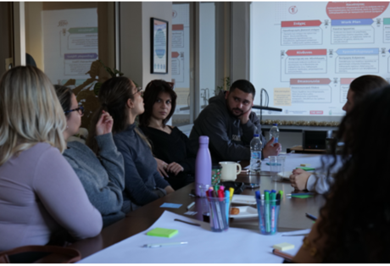
As part of our project, each country hosted national seminars to present project results so far and engage citizens of diverse groups, decision-makers and local authorities in fruitful debates around Solidarity and Participation.
In total, 5 seminars were held. Bellow you can know more about each one of them:
Portugal
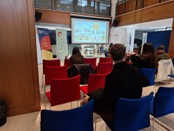
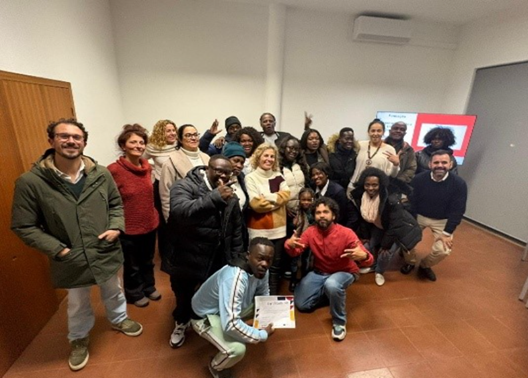
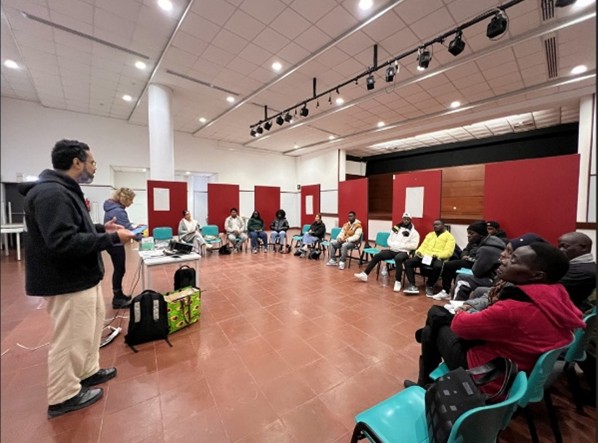
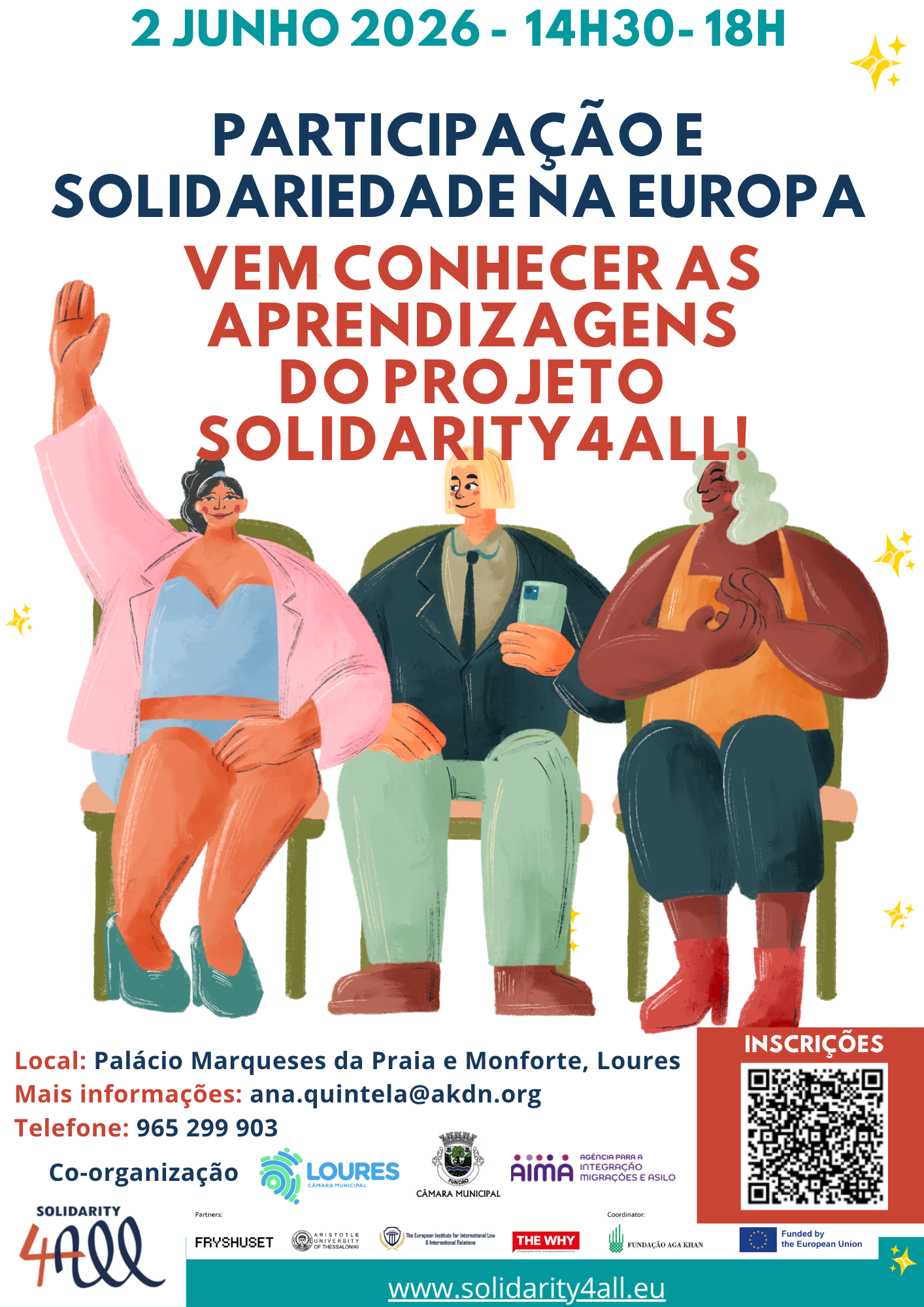
In Portugal, the Ag Khan Foundation togheter with it´s national partners organised a national seminar on the 2nd of June.
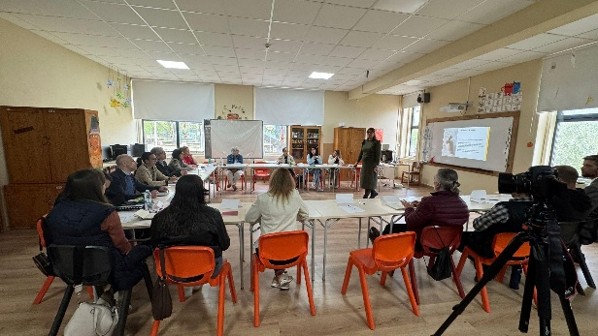
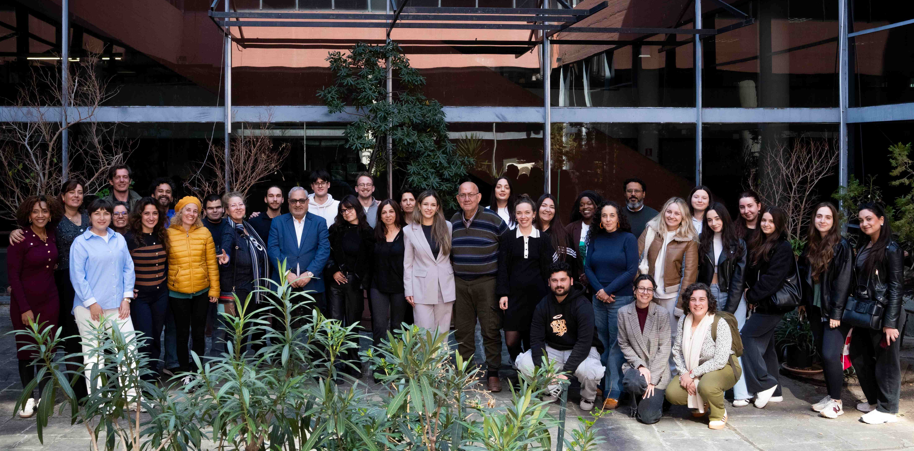
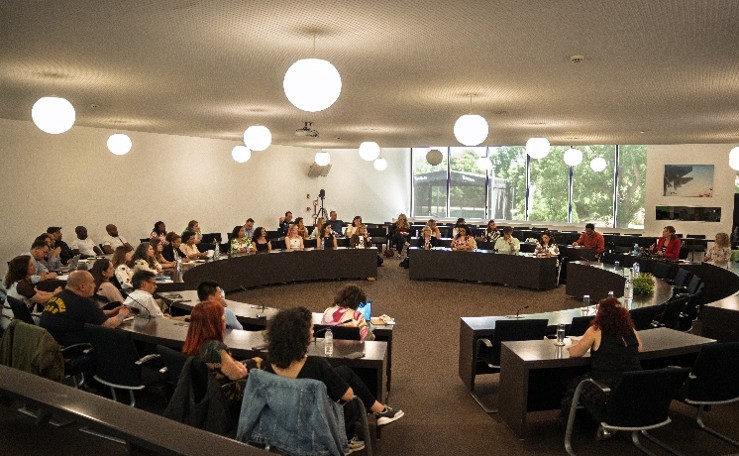
The Seminar was held in a venue granted by Loures Municipality and had the presence of several representatives fro the Fundão Municipality and AIMA – National Migrations and Asylum Agency. Also, several of the local community leaders were invited to be present. The invitation was also extended to external entities, such as other municipalities and organisations fro the social sector. In total, 57 people were present at this event.
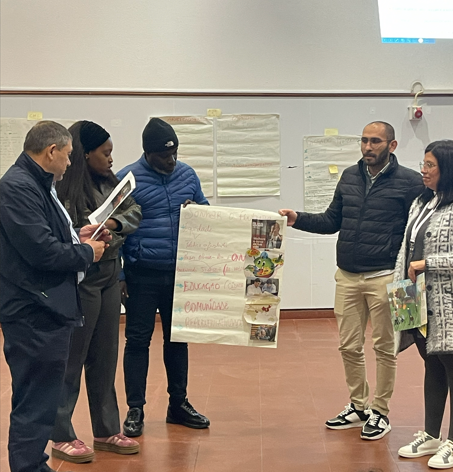
The event was designed to mirror the spirit and values underlying or project, and, as such, the panel participants were residents of Fundão and Loures, as well as representatives from these municipalities and AIMA – National agency for asylum and migration. Some of these stakeholders had not yet had the chance to cross paths in person and at the event had the opportunity to identify common issues and experiences, but also specificities of each territory.
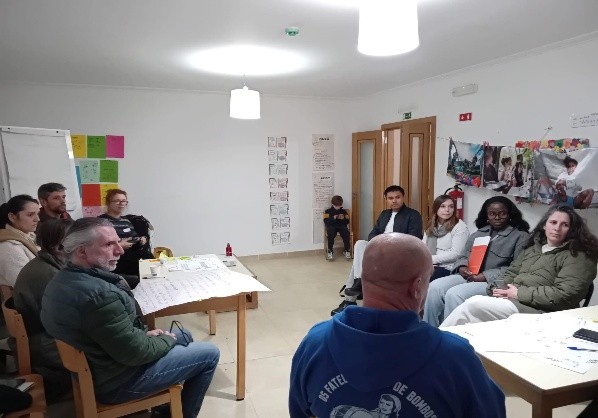
During the Q&A period several people contributed with relevant questions and suggestions, including people from underrepresented communities who were not involved in the project. All these contributions were added to our notes and will be reflected in the final policy recommendations. 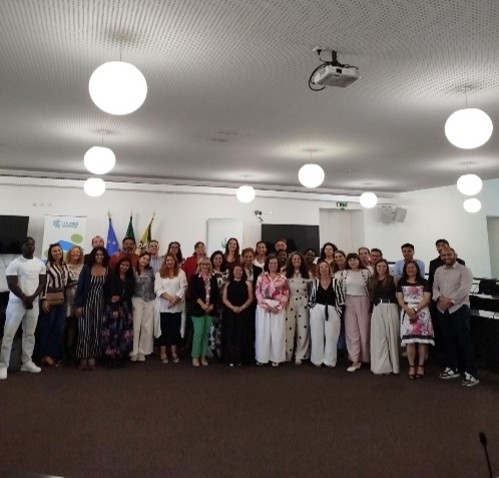
After the conclusion of the seminar, those present also expressed, in loco, their great satisfaction with the fact that they were able to share or listen (depending on whether they participated in the thematic panels or were in the audience), real testimonies and proven changes already visible. It should be noted that the people who participated directly in the project activities and who testified in the same thematic panel, were very pleased to have been able to do so with people from other territories, and greatly valued having been able to meet other beneficiaries who had a similar role in the project.
Greece
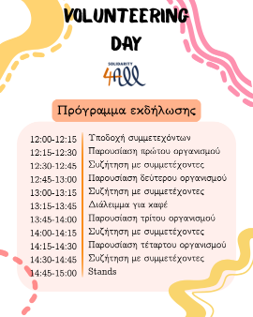
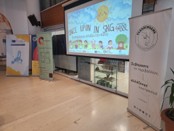
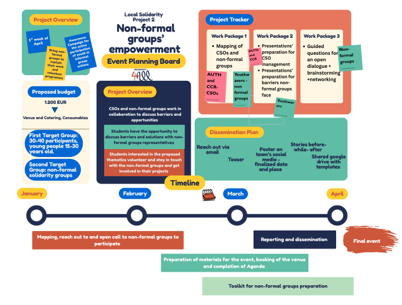
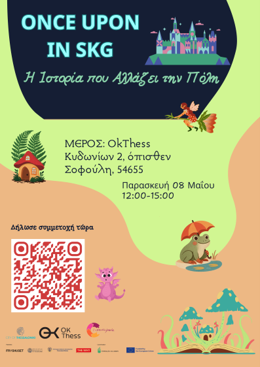
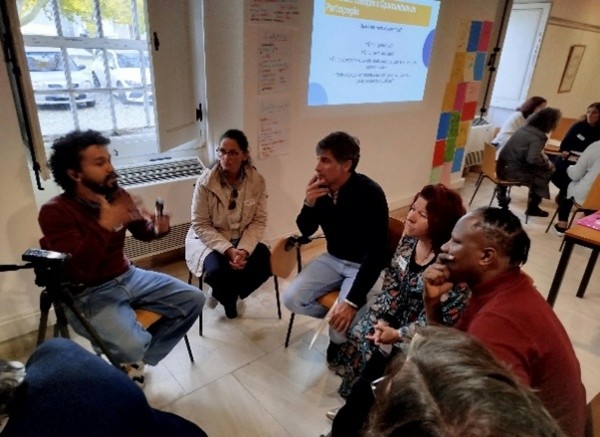
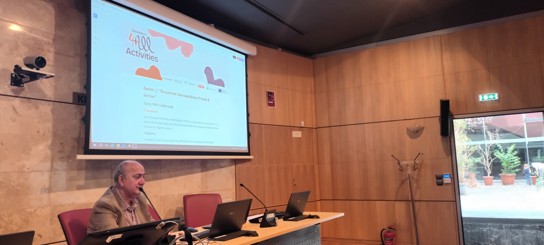
The event brought together representatives of Civil Society Organisations, local authorities, community leaders, academics, students and citizens interested in solidarity, civic participation and inclusive governance. The seminar served as a national dissemination and reflection event, presenting the main activities, achievements and lessons learned from the implementation of the project in Greece, while also providing participants with the opportunity to actively engage in participatory exercises inspired by the methodologies developed throughout the project.
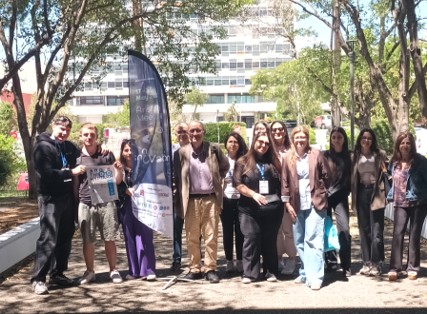
The national seminar in Greece was organised under the AUTh on Sundays, one of the most dynamic initiatives of the University, launched in 2012 to make Aristotle University of Thessaloniki (AUTh) open and welcoming to everyone on selected Sundays in May, AUTh comes alive and invites people of all ages to experience knowledge up close. Through experiments, observations, creative workshops, games, and guided tours in the museums, archives, and collections of AUTh, visitors of all ages can discover firsthand the important educational work taking place. In total, 53 people participated.
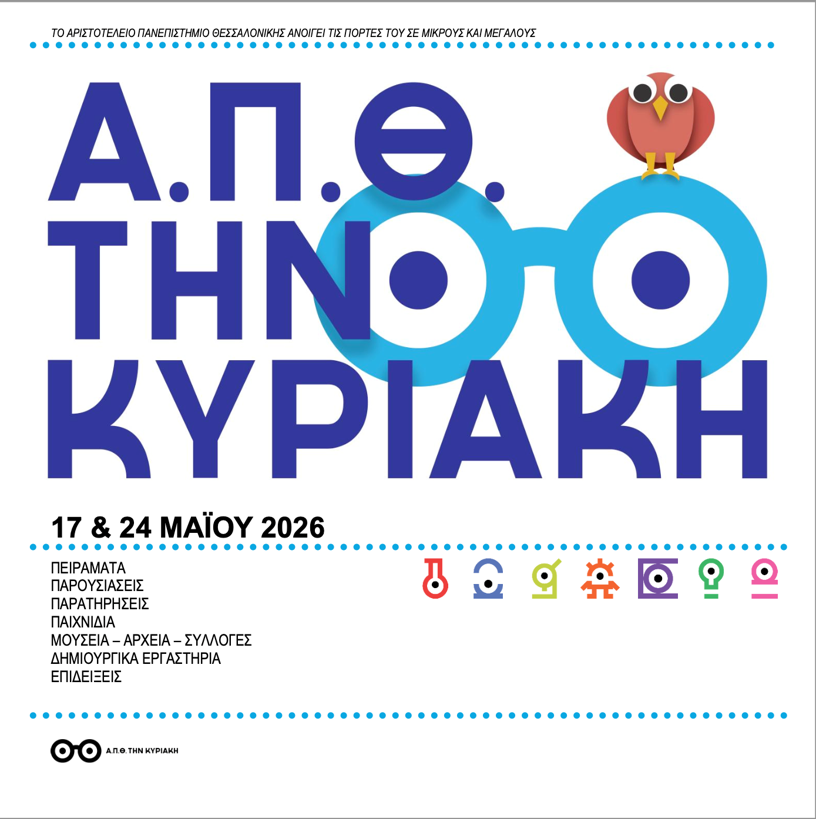 The programme combined presentations, discussion sessions and interactive workshops. Participants were introduced to the objectives of the project, the results of the participatory assessment, the Communities of Practice meetings, the capacity-building trainings for Civil Society Organisations and Local Authorities, the local Think Tanks, and the outcomes generated at both national and European levels. Particular emphasis was placed on the role of solidarity ecosystems, citizen participation and the inclusion of underrepresented communities in democratic processes.
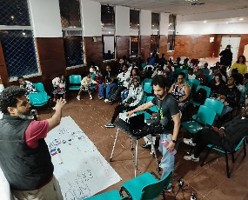
The second part of the seminar focused on participatory engagement through two interactive activities. Participants reflected on positive and negative aspects of civic life and solidarity in their communities and subsequently developed collective visions for the future of their communities through a structured foresight exercise. These activities encouraged dialogue, mutual learning and collective reflection, while creating a direct connection between the project findings and participants’ lived experiences.
The project adopted a participatory methodology that actively involved Civil Society Organisations, local authorities, community representatives and citizens in all phases of implementation. Rather than treating participants as passive beneficiaries, Solidarity4All sought to engage them as co-creators of knowledge and contributors to policy discussions regarding social inclusion and democratic participation.
The seminar therefore had a dual purpose. First, it provided an opportunity to disseminate the project’s main findings and achievements to a broader audience. Second, it created a space for collective reflection on the future of solidarity, participation and community development in Greece.
The event highlighted how local experiences can contribute to broader European discussions regarding democratic engagement, inclusion and social cohesion. By bringing together different stakeholder groups, the seminar fostered dialogue across sectors and reinforced the project’s objective of strengthening solidarity ecosystems at local, national and European levels.
Sweden
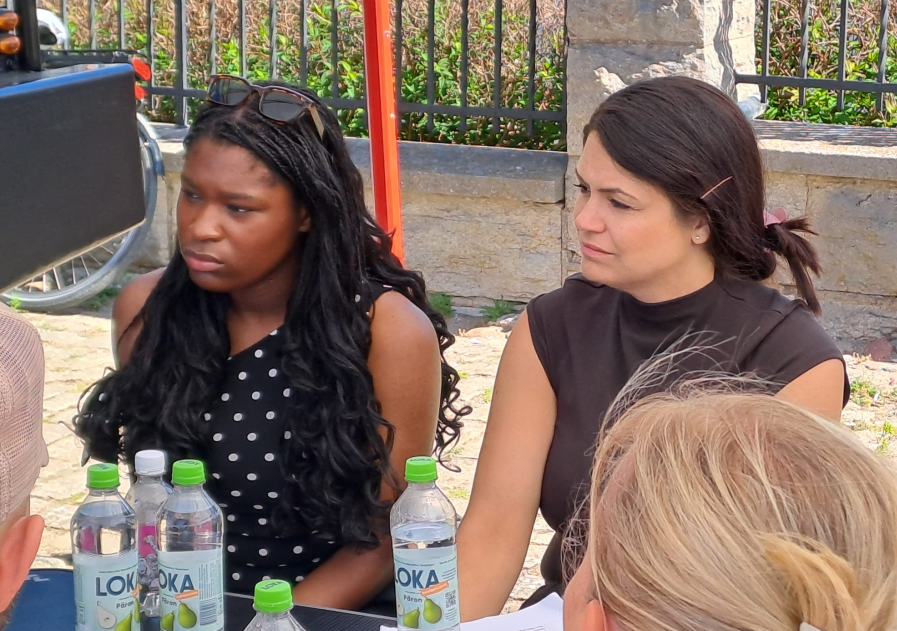
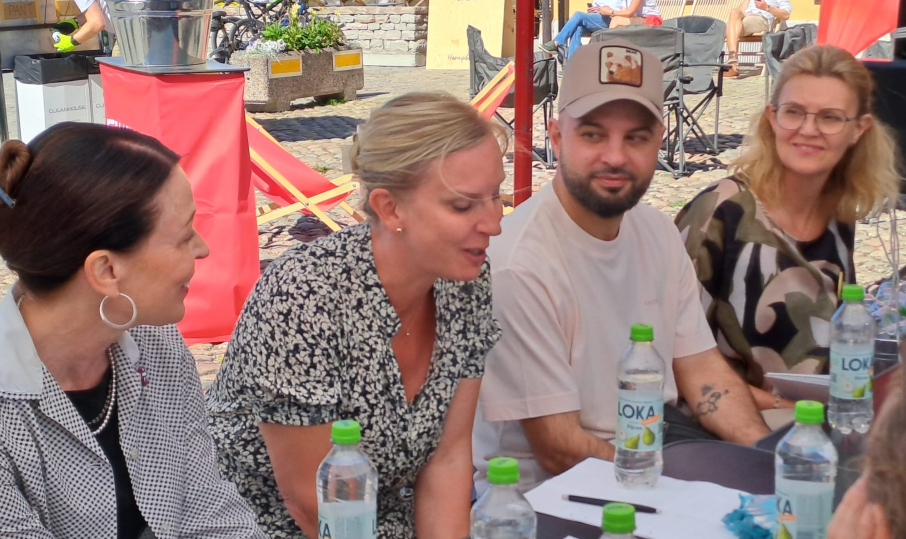
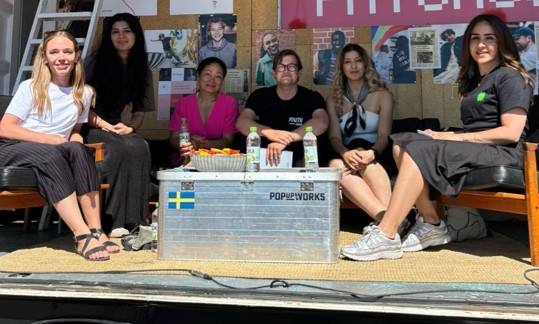
In order to share results and deliverables from the Sol4All project, as well as to promote and continue the debate on participation and solidarity for underrepresented (youth) communities, Fryshuset Foundation held a seminar at the yearly Almedalen Politicians Week in Visby, Gotland on the 25th of June 2026.
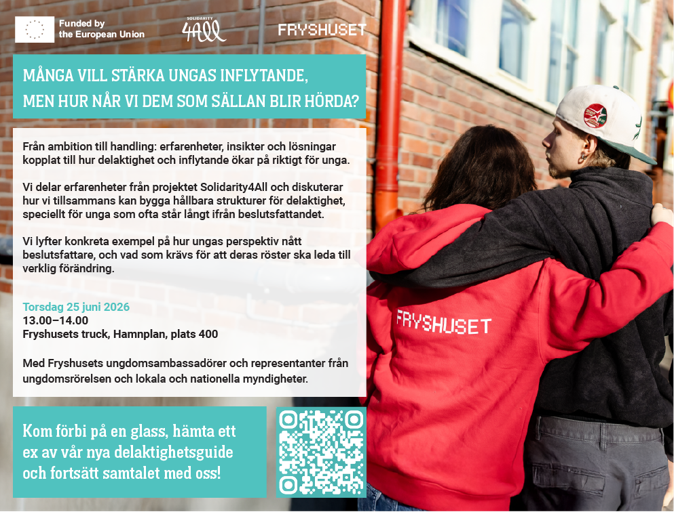 This forum was actively chosen for the national seminar, due to Almedalen Week being Sweden’s largest democratic forum, bringing together politicians, public sector leaders, civil society organisations, businesses, researchers and citizens to discuss societal challenges and opportunities. It creates a unique arena for dialogue, knowledge-sharing and collaboration on issues such as social inclusion, democracy, welfare and sustainable community development. Thus a perfect space for sharing the results and deliverables from Sol4All with national and local authorities, decision-makers, as well as young changemakers and interested civil society actors.
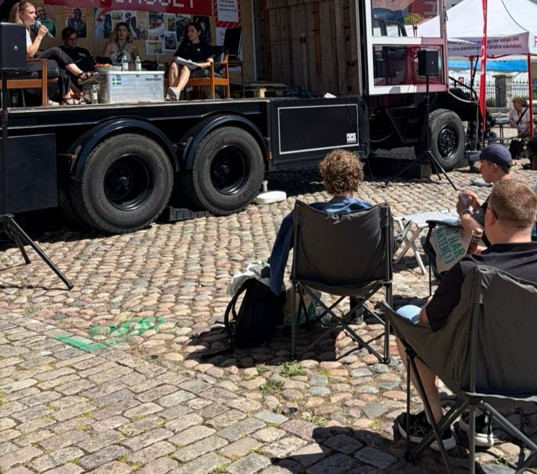
The event invitation went out to everyone who had participated in the project, as well as relevant actors present during the Almedalen Week and the broader public through social media communication platforms. In total 63 people participated.
The panellists consisted of representatives from national authorities, local administrations, youth organisations, and persons from underrepresented communities. The seminar participants overall were a mixed group, but the coherent feedback during and after the seminar was that it gave new perspectives on the situation for youth in Sweden, a sense of wanting more collaboration both within civil society and with public actors, and that youth themselves need to be in the forefront of design and actions for strengthening their participation in society.
The results from a questionnaire sent out after the seminar showed that all responding participants thought that the seminar contributed to increased possibilities for dialogue and discussion around topics of participation and solidarity, that the content was relevant for them, and that the moderator and presenters were easy to understand. All respondents felt safe to express their opinions and felt that they could participate and contribute with their perspectives to the discussion. Different opinions and perspectives were perceived as welcome and everyone got to speak up. All respondents also said that the seminar led to useful insights:
“Yes, it gave me, as a municipal employee, a greater understanding of the conditions and circumstances of young people.”
France
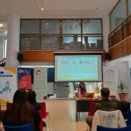
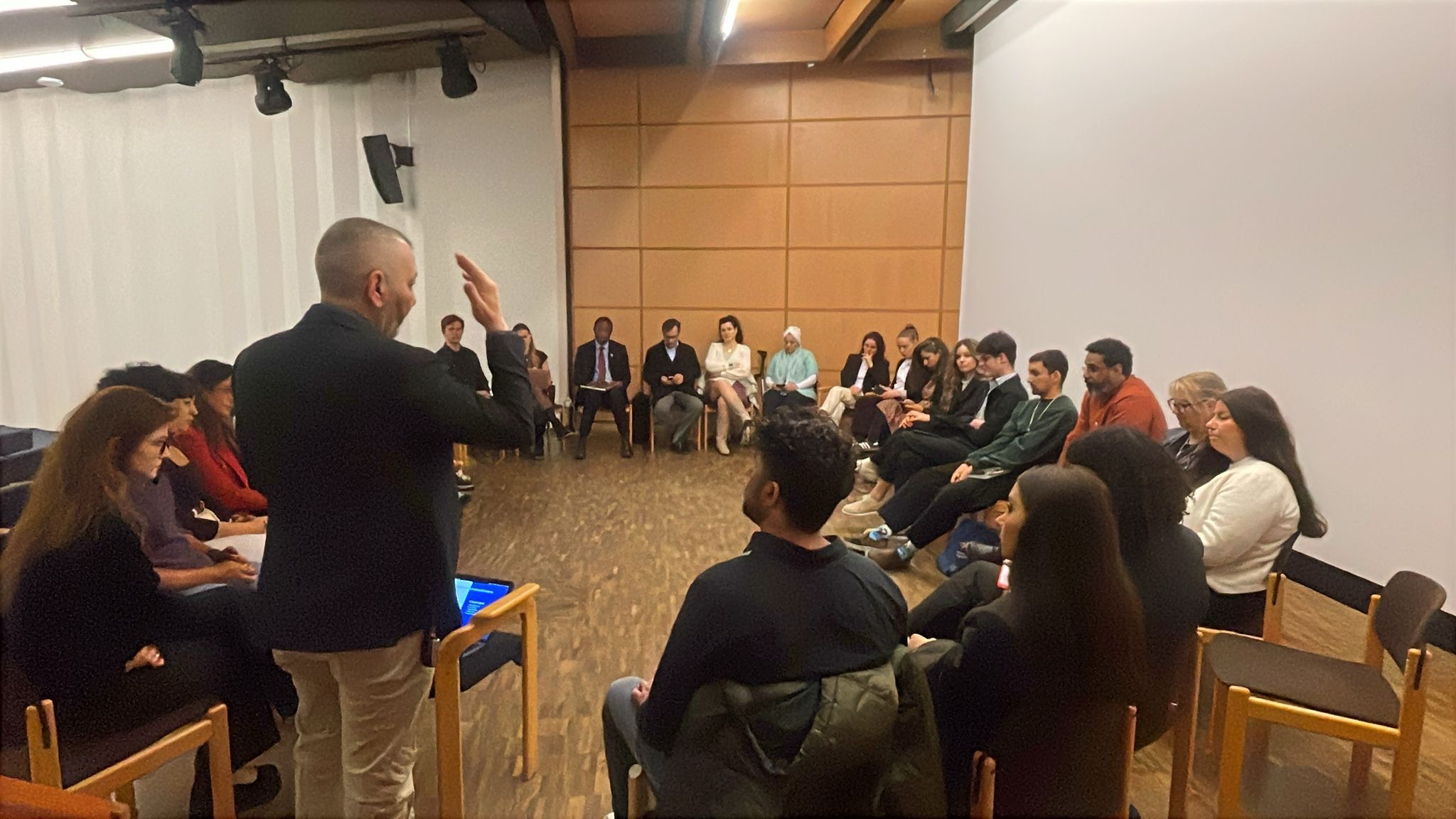
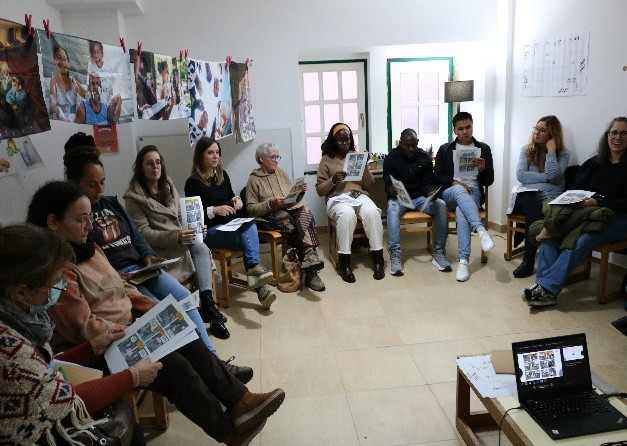
The activities held in 18th April 2026 convened a diverse group of 68 stakeholders, including policymakers, CSOs, researchers and participants from underrepresented communities, with the aim of fostering dialogue on migration, social inclusion and participatory governance.
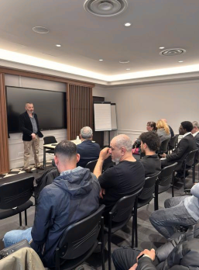 The discussions revealed a persistent gap between policy frameworks and their effective implementation on the ground. While formal mechanisms for inclusion and participation are in place, they often remain inaccessible to those most affected due to structural barriers such as administrative complexity, language constraints and socio-economic inequalities.
Participants highlighted the interconnected nature of these challenges, emphasizing that issues such as housing, employment and access to public services cannot be addressed in isolation. The need for more integrated, cross-sectoral approaches was strongly underlined.
A key finding of the activities is the limited inclusion of underrepresented communities in decision-making processes. Despite being directly affected by policy outcomes, these groups often lack effective channels to express their needs and contribute to policy development. This results in a disconnect between institutional responses and lived realities.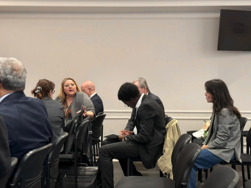
The discussions also demonstrated the importance of inclusive and participatory formats that enable meaningful exchange between stakeholders. Such approaches not only enhance mutual understanding but also contribute to the co-creation of more effective and context-sensitive solutions.
The insights gathered during the Paris activities will feed into the development of a comprehensive set of policy recommendations within the SOL4ALL project. These recommendations will be based on both cross-country analysis and context-specific inputs, ensuring relevance at local, national and European levels.
Moving forward, the project will focus on consolidating partner contributions, engaging key stakeholders and disseminating findings to support evidence-based and inclusive policy-making processes across the European Union.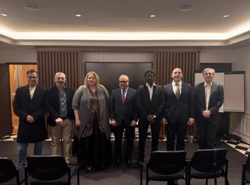
Overall, the Paris activities underline the need to move from formal inclusion frameworks towards more practical, accessible and community-driven approaches that can effectively bridge the gap between policy and practice.
Denmark
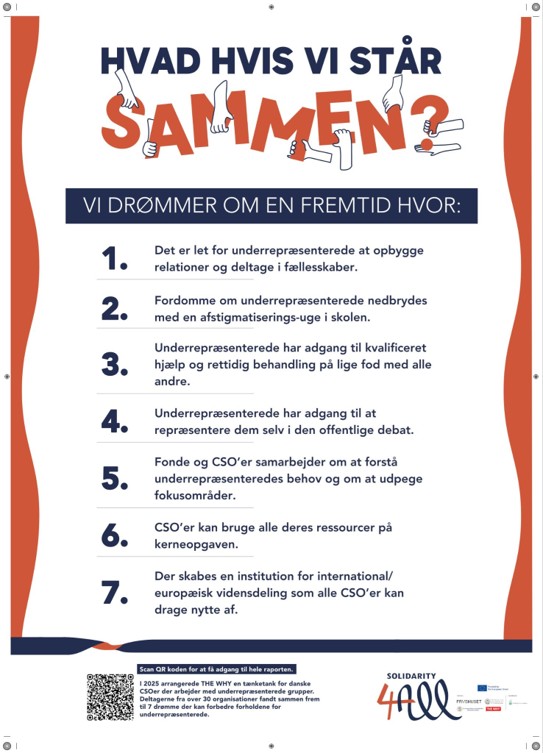
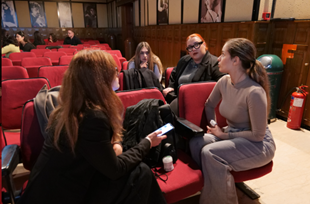
The event took place at Gloria Cinema in Copenhagen on the 18th of August 2026. 52 attendants were given a presentation on the activities of Solidarity For All throughout the project period, in Denmark as well as in the partner countries. We shared with them the highlights of the Evaluation report and illustrated common ground between the results of the project and the dreams we had collected from 30 Danish CSOs during our national think tank. 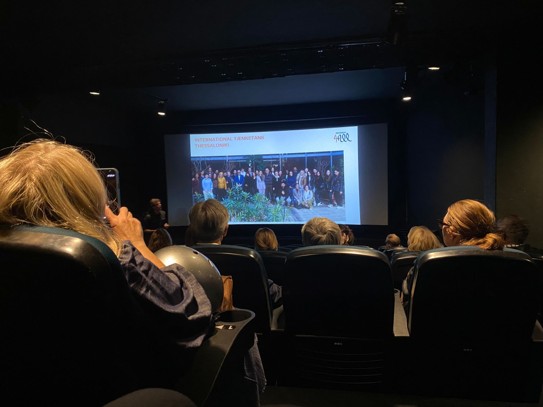
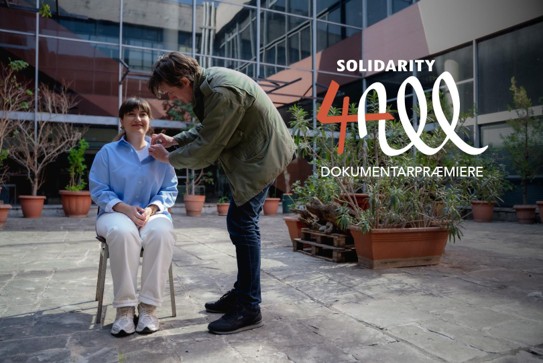
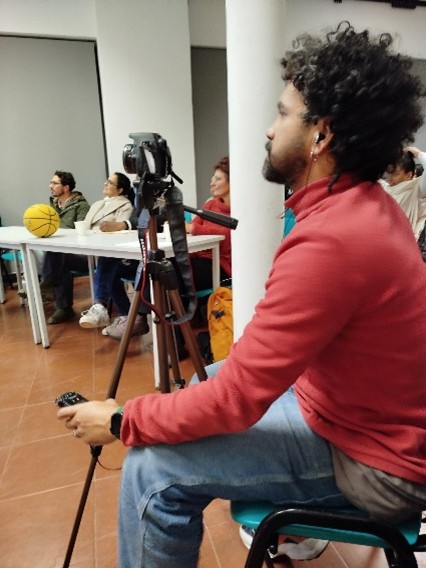
The results from the national think tank were further disseminated through posters and QR codes that directed the attendants to our national think tank report. Following we showed attendants the Solidarity For All documentary, produced by The Why. The film tells the story of the underrepresented and the road to participation through the Solidarity For All activities. It was well received and applauded. We then engaged the attendants in a debate about the project and the film, moderated by Martin Lange.
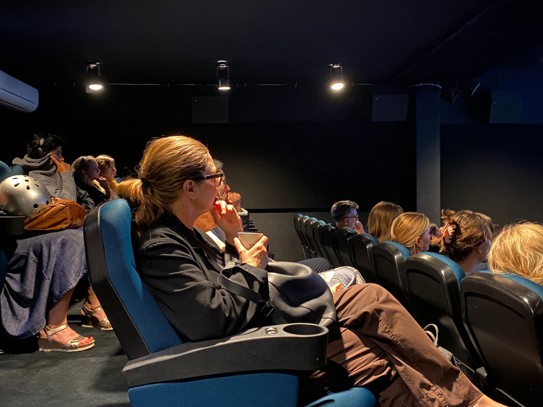 Many positive comments were shared, and ideas for dissemination and further use were discussed. Many CSO representatives saw their work and mission reflected in the film, and it was suggested to use the film for educational purposes in secondary education in Denmark, and to share it with CSOs that could use it to illustrate the usefulness of their work. In the following networking sessions representatives from Crossing Borders were especially interested in including the film in their work in Danish schools.
The seminar was attended by participants from the following organizations:
The Why Foundation, Crossing Borders, Fonden Bindeleddet, Mænds Helbred, Danida, Lær for Livet, WFU (Ukraine), Københavns Kommune, Orchid, Børnehjælpsdagen, Plus Pictures, UNICEF.
Programme:
14.30 – Meet and greet,
all the attendants get to know each other.
15.00 – Presentation of the Solidarity For All project by project manager for The Why, Martin Lange – special focus on results and dissemination.
15.30 – Screening of the Solidarity For All documentary produced by The Why
16.00 – Debate about the film and its dissemination, all attendants are welcome to participate
17.00 – Networking session