Local Solidarity Activities led by local leaders
Between Jnauary and June of 2026, 3 partners (Aristotle Univ in Greece, Aga Khan Foundation in Portugal and Frushuset in Sweden) have implemented Local Solidarity activities.
These activities were designed, led and implemented by participants in the trainings held previously, using a “learn-by-doing” approach. The goal was to invite representatives from diverse communities to debate about local needs in terms of solidarity and participation and design solutions and initiatives that could be used to improve the lifes of underrepresented communities.
The activities not only provided moments of refletion, comunity sharing and participation, as also ment a significant visibility for several groups and local leaders, allowing first time access to local municipal resources and reputational and social capital growth. New partnerships are now forged that can go on well further the project end.
Below we present a summary of activities in each country:
GREECE
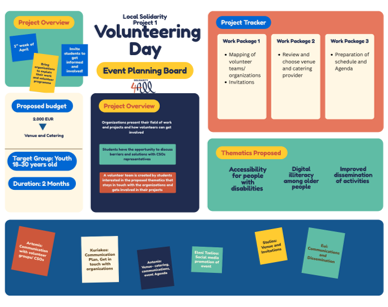
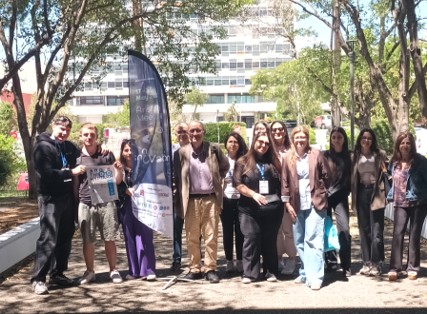
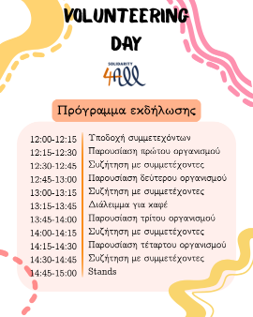
The first initiative presents a youth-focused “Volunteering Day” organized by university students, which successfully connected young adults with established civil society organizations to promote accessibility, digital literacy, and community volunteerism.
The second action, “Once upon in SKG,” shifted the management responsibility to local non-formal initiatives and civil society organizations, utilizing creative, allegorical storytelling and a Reverse World Cafe format to co-create solutions to operational obstacles. The final action integrated participatory art and social intervention through a historical theatrical reading performance by an amateur theater club, directly linking two-hundred-year-old testimonies of gender inequality and institutional barriers with modern-day civic dialogues.
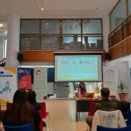
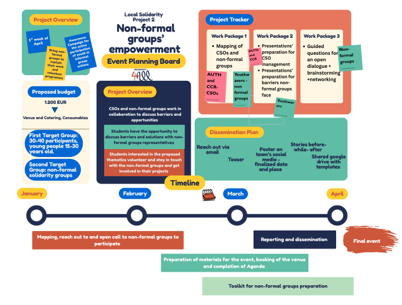
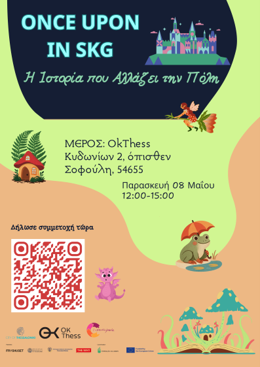
Together, these activities form a cohesive portfolio of community engagement that effectively translates overarching European solidarity values into measurable, local achievements.
PORTUGAL
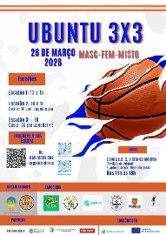
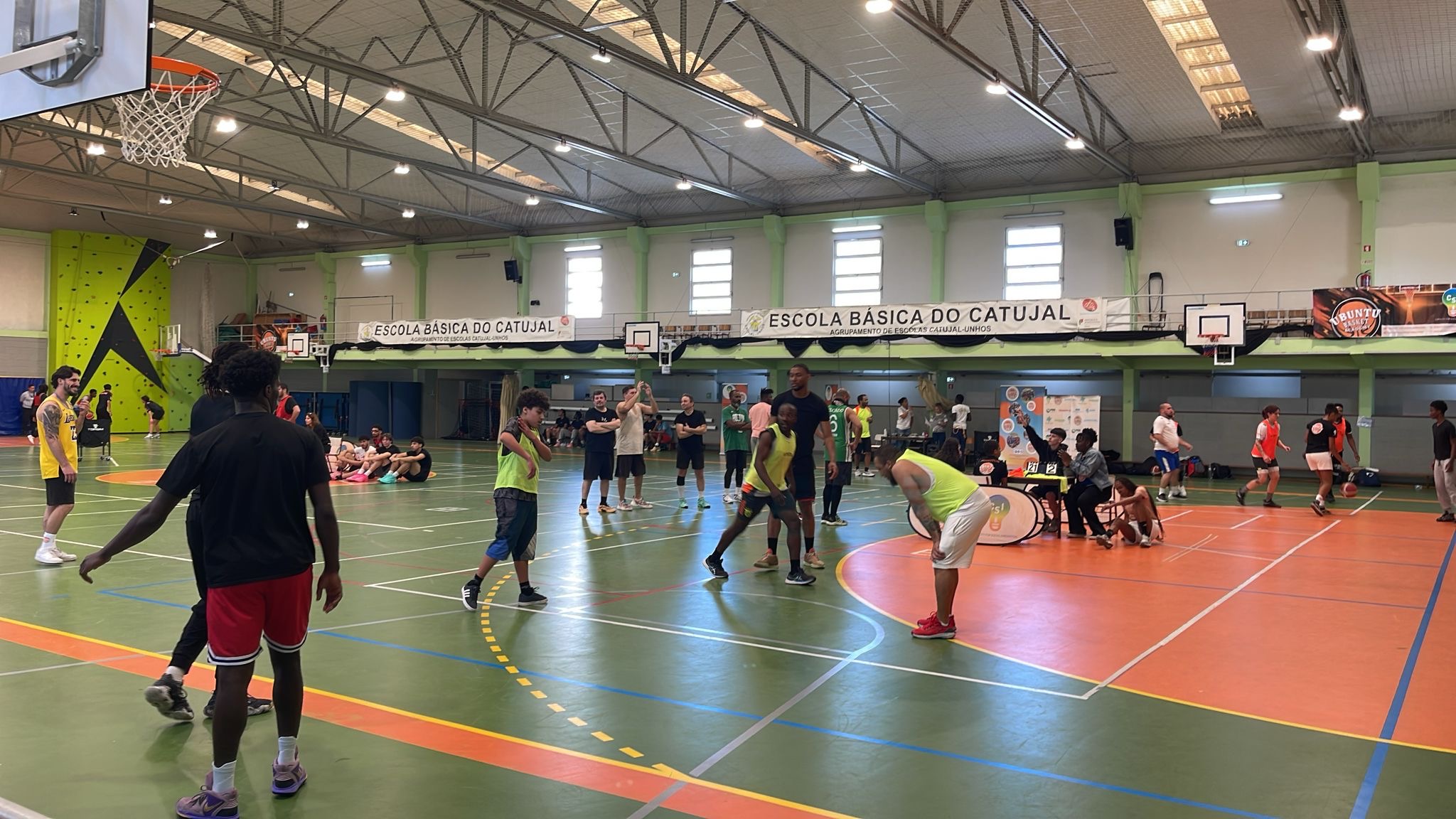
1.3×3 Basketball Tournament – Loures
The group was initially made up of 3 people who were in the training (WP 10), 2 belonging to 2 different local associations (CSI – Capacity for Social Innovation association and Batoto Yeto) and 1 joined as an individual. Another element that collaborates with one of the associations to support the development of this activity was also co-opted.
The objectives of the local solidarity activity were:
- Promote social inclusion and community cohesion among young people from different neighbourhoods and backgrounds through the practice of sports, using the 3×3 basketball tournament as an educational and social tool.
- To encourage values of respect, fair play, solidarity and active citizen participation, preventing aggressive or exclusionary behaviour in the sporting and social context.
The activity is aimed primarily at young people and adolescents, mostly residents of the municipality of Loures, covering participants from different areas and neighbourhoods, with a special focus on promoting youth participation in a community context.
The evaluation was carried out later, with the organising team and the team of volunteers of the event, who collected feedback during the tournament, and which revealed, for example, that this tournament had effectively been recognized as a different tournament. The players who participate in other tournaments, including those organized by federations, considered that this had a different impact: they felt that in this “it was really to play basketball, only, without anything external, that was there bothering even in terms of competition. It was competitive (…) but a healthy competition”.
Also on the part of the parents, the feedback collected revealed that they felt tremendous pride in their children, as they saw them helping with concrete tasks, “so concentrated, so committed, doing everything so right. He never had that attitude and here [at the tournament] it seemed like he was in his job executing everything perfectly”.
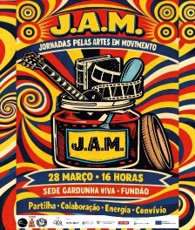
2. J.A.M.: JOURNEYS FOR THE ARTS IN MOTION – Fundão
The group was composed by 3 people who were in the CSO & UC training – WP10, 2 belonging to 3 different associations (Coletivo Montanha, Fatela Sónica e Fua Fura).
The objective of the local solidarity activity was the creation of partnerships that increases the visibility of artistic and cultural entities and with greater impact on the local population.
This activity arises from the recognition of the weak synergies between local entities (Beira Interior) of the cultural sector. The group decided to host a CSO gathering with the goal of promoting multidisciplinary partnerships between cultural entities, identify skills and resources of the cultural entities involved, increase the number of participants in the events/activities of cultural entities, and also create a transversal online cultural agenda.
J.A.M.’s satisfaction survey reveals a high level of overall satisfaction, with 55.6% giving the maximum score and 44.4% slightly lower ratings, indicating a very positive perception of the initiative. The participants suggested several cultural organizations in the region for future editions, reinforcing the interest in expanding the network of collaboration and diversity of entities involved.
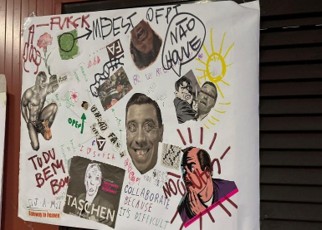
3.Workshop on Nonviolent Communication – Fundão
The group was made up of 4 people who were in the CSO & UC training – WP10, 2 belonging to 1 association, 1 belonging to several local associations and 1 individual person.
The objective of the local solidarity activity was to foster active listening skills and non-judgment attitude towards students and families in the school context through a Nonviolent Communication workshop.
The activity initially had as its target audience teachers, educational assistants, parents of the Fundão School Group and political decision-makers, but ended up being limited to teachers and educational staff working at the school.
This activity arises from the group’s observation that there are still communication barriers in the territory and that it is urgent to promote a more inclusive and non-judgmental school environment.
The feedback obtained at the end of the session demonstrated the importance of this type of session in the continuous training of teachers and the willingness to continue these exchanges.
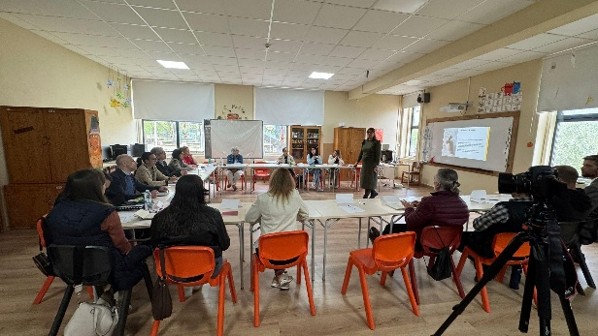
4.M.I.C. Community Day (Community Intervention Method) – Loures
The group was composed of several people who were in the training (WP 10), part of them belonging to 2 local associations (Mocho + e Social Innovation Sports) part belonging to an informal collective belonging to the Catholic Church and part participating individually. This group is interesting, from the point of view of its diversity, both in terms of ages and in terms of the vision they had for the implementation of the activity.
The objective of the local solidarity activity was to contribute to increasing participation and civic activity in the community and, at the same time, to create a co-constructed method with the community, to increase citizens involvement and ensure more appropriate responses to local needs.
The specific objectives were:
- Strengthen the potential of citizens to build activities that respond to their needs and ensure their well-being, allowing them to take on more active roles in the community and in society, contributing for the Common Good.
- Create an annual plan of local intervention to set a community structure using participatory methods
- Create spaces to increase residents’ participation in decisions that affect their well-being in line with their needs, skills and talents
- Strengthen relationships between organizations operating in the territory, residents and informal groups.
- Create a community project management method (KPI, Baseline, Outputs, Outcomes).
- Form a core team for the organization and administration of the project hat ensures the representativeness of the existing diversity in the community
On the day of the event, more than 250 people were involved, from children to seniors.
In addition to the exceptional involvement of people of various ages who joined the activities, it was interesting to witness that some of them spontaneously supported the organizators of the event as the day went by, thus revealing high levels of community mobilisation and solidarity.
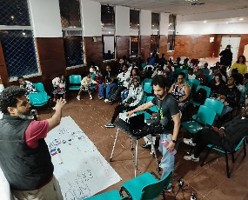
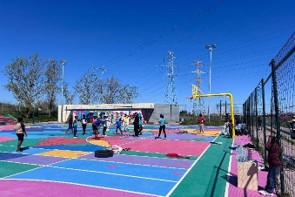
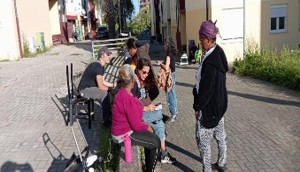
SWEDEN
Training of trainers for youth leadership training in Arvika Municipality, Sweden, 28-29 April 2026
Between 2025 and April 2026, Fryshuset developed and delivered a Training of Trainers programme in Arvika Municipality to prepare youth professionals and educators to facilitate Leadership Training for Young People. The training brought together professionals and volunteers from different municipal services working with young people as well as from local civil society organisations/groups and aimed to strengthen their capacity to support youth leadership, participation, and personal development through structured leadership education.
The process highlighted a strong local commitment to creating opportunities for young people to take responsibility, become positive role models, and actively contribute to their communities. It also demonstrated a need for practical, accessible tools that can help youth workers in public and non-profit programmes facilitate leadership development among young people in a consistent and engaging way.
Eleven participants completed the evaluation following the training. Overall, the feedback was highly positive. Participants reported that the training was well-structured, engaging, practical, and highly relevant to their professional roles. Several participants highlighted that the balance between theory, practice, discussion, and movement-based activities contributed to a positive learning experience and made it easier to remain engaged throughout the programme.
Participants expressed strong confidence in the trainers, describing them as knowledgeable, supportive, and well-prepared. The opportunity to actively test exercises and experience the programme from a participant perspective was repeatedly identified as one of the most valuable aspects of the training.
Many participants reported that the material provided practical tools that they could directly use when training young leaders. Several also stated that the programme strengthened their confidence in facilitating leadership development and gave them concrete methods to help young people take greater responsibility and leadership roles.
Another theme emerging from the evaluation was the value of meeting colleagues from different services and organisations within the municipality. Participants appreciated exchanging experiences, learning from different perspectives, and developing a shared approach to youth leadership development.
Local Activity Festival, Sweden, 11-14 June 2026
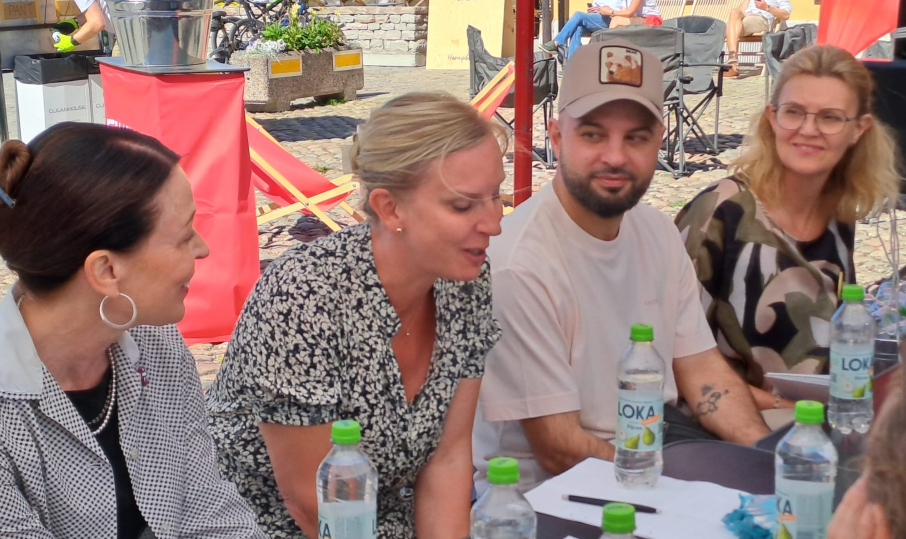
Fryshuset supported the implementation of an activity festival designed to promote participation, inclusion, and community engagement among children and young people. The initiative brought together local associations, clubs, youth leaders, and community stakeholders to provide free activities in a neighbourhood setting, creating accessible opportunities for young people to discover new interests and strengthen their connection to community life.
A total of 68 participants took part in the activity. Participants included children and young people from the local community, with young people (youth and children, who are the youth of tomorrow) identified as the primary target groups. This is a clear link to outcomes of previous project activities, such as the assessment (WP3), CoPs (WP2) as well as the national think tank (WP16), where local associations, local public officers, and primarily young people themselves, have expressed the need to engage in formal activities as a first step to participation, and that those activities need to reach young people in places where they already are. Through the project activities mentioned above, and compounding Fryshuset’s previous experience and knowledge, it was clear that young people are best reached through credible messengers, such as local role models and other young people who they can look up to. Thus, the majority of the youth workers at the festival were in those categories.
According to facilitators and participants, the activity festival successfully created an environment where participation felt easy, welcoming, and enjoyable. Youth leaders described the value of following young participants from their first encounter with an activity through to longer-term engagement in local clubs and organisations.
One recurring observation was the strong sense of community that developed among both participants and youth leaders. Returning youth leaders noted that relationships continued to grow across events, creating a culture of familiarity, trust, and mutual support.
Facilitators highlighted increased confidence as one of the most significant outcomes. Children became increasingly comfortable engaging with youth leaders, while youth leaders themselves grew in their ability to lead activities, make decisions, and promote participation. This change became particularly visible during longer activity periods, where relationships and trust had more time to develop. The initiative also generated practical outcomes, including stronger relationships between participants, greater collaboration between groups, increased motivation to participate, greater visibility of community needs, and the identification of new engagement opportunities. Participants expressed strong appreciation for the initiative, with some wishing the festival could remain longer in their neighbourhoods. Facilitators further observed that the accessibility of the activities, combined with the free-of-charge format, helped reduce barriers to participation and enabled more children and young people to become involved.
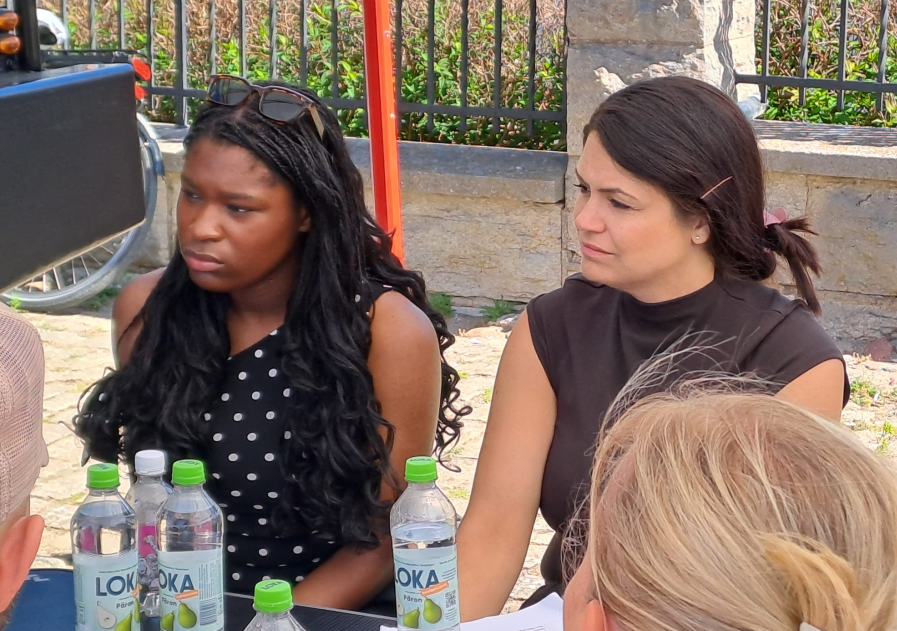
Youth Participation in Almedalen Week and National Participation Mechanisms, Sweden, 22-25 June 2026
Fryshuset implemented a youth participation initiative combining local trend scanning, youth leadership development, participation in Almedalen Week, and structured dialogue with decision-makers. The activity was designed to strengthen young people’s participation in democratic processes while testing existing national participation mechanisms and identifying opportunities for their improvement.
Almedalen Week is a unique annual democratic forum in Sweden on the island of Gotland, where people from across society come together to discuss public issues, strengthen participation, and promote inclusive decision-making. Prior to attending Almedalen Week, Fryshuset’s youth ambassadors conducted a youth-led trend-scanning process involving 170 young people from different regions and programmes across Sweden. Through local consultations, environmental scanning, and facilitated discussions, young people identified key societal issues affecting their lives, including employment and economic security, trust in institutions, social inclusion, participation, belonging, mental health, and future opportunities. The findings formed an evidence base that the youth ambassadors brought into national discussions during Almedalen Week.
According to participants and facilitators, the combination of local trend scanning and national-level participation created a particularly strong learning process. Young people reported feeling more confident entering discussions because they were not only representing themselves but were also carrying the perspectives and experiences collected from a broader group of young people. Participants described an increased understanding of democratic systems, public institutions, and the roles different societal actors play in shaping policy. Several also expressed a renewed motivation to engage in civic and political processes. One participant reflected: “I feel like I understand the actors in society better and what their roles are, and how they can collaborate.”
Another participant described a renewed interest in political engagement after previously feeling disconnected from formal democratic processes.
Facilitators observed that one of the most significant outcomes was the increased confidence participants developed in making their voices heard and representing the needs of the young people and communities they spoke on behalf of. This became visible both on stage during public discussions and in direct meetings with politicians and institutional representatives. Participants demonstrated an ability to engage in constructive conversations even when disagreements emerged. In one dialogue with a politician, youth participants and decision-makers held significantly different perspectives while maintaining a respectful exchange throughout the discussion. Facilitators highlighted this as an important example of meaningful democratic participation in practice.
The activity generated new network connections, strengthened partnerships, improved communication between stakeholders, increased visibility of youth perspectives through young credible messengers participating in all structured discussions within the scope of the project, and created opportunities for continued engagement between young people and decision-makers. Participants also reported receiving positive feedback from policymakers and other stakeholders who were moved by the experiences and stories shared during the event.



Leave a Reply
Want to join the discussion?Feel free to contribute!