Solidarity4all delivers training to Civil Society Organizations in 3 countries!
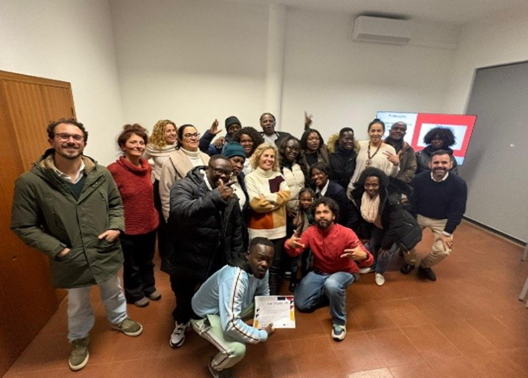
Sweden

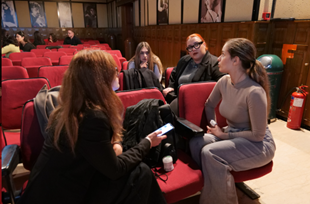
In total, 36 people from diverse communities and Civil Society Organisations took part in several trainings.

Dialogue for Peaceful Change (DPC) training

During February 2025, a targeted capacity-building training was delivered by Fryshuset to strengthen dialogue and conflict management competencies among representatives of faith-based civil society organisations. A need that was visible already early on in the project, due to increased polarisation between different groups in Sweden, which has been observed as a challenge to participation for people from different cultural and religious backgrounds.

The training brought together members and active representatives from the Interreligious Council of Sweden (Sveriges interreligiösa råd, SIR), representing diverse faith communities. Participants were individuals engaged in interfaith collaboration and community-based dialogue work, seeking to strengthen their ability to manage tensions constructively and foster trust across religious boundaries, and through that increase solidarity and possibilities for participation for young people from different religious faiths on the diverse community they live in. The facilitators introduced practical tools for conflict understanding, analysis, and mediation, drawing on a peacebuilding approach originally developed in Northern Ireland.

Participants reported increased confidence in approaching sensitive or conflict-prone situations and highlighted the value of structured tools for understanding underlying dynamics in intergroup relations. The interactive format supported peer learning and reflection, contributing to strengthened trust and shared understanding among participants from different religious backgrounds.

Training on Participation & Democracy

Between March and September 2025, the project team also contributed to the design, planning, and facilitation of a training on participation and democracy for youth workers and managers of youth centres ran by Fryshuset in partnership with Nacka Municipality. This process revealed a knowledge gap among participants regarding democratic tools that can support meaningful youth participation, which the final training programme aimed to contribute towards.

Fryshuset Foundation aims to enable every young people to feel included in society, to see themselves as part of it, and to actively contribute to social development. A key element of this ambition is strengthening democratic awareness and participation among young people through the work of youth professionals.

The purpose of this training programme was to increase the knowledge and capacity of youth workers and managers in three youth centres in Nacka Municipality in Sweden, regarding democracy and civic influence. By strengthening their understanding of democratic processes and societal participation, the programme seeks to enhance their ability to support and promote young people’s influence, engagement, and active citizenship within their daily work.

According to participant evaluations, the training helped strengthen inspiration, knowledge, and understanding among youth leaders and coordinators. One of the tools that several participants mentioned as most useful was a list with suggestions of how to support young people’s influence, participation and advocacy. Another part was an inspirational session from a youth activist working to increase youth influence regarding climate issues, but also providing the training participant with knowledge regarding how to engage voluntarily for different causes and issues, where the participants learned about platforms for engagement that were new to them.

Building on these insights, the training concept will continue to be further developed within Fryshuset, drawing on knowledge generated through Sol4All, with the aim of scaling and disseminating it to additional programmes both within and beyond the network.

Throughout the project, dialogue was also initiated with organisations and municipal representatives beyond the primary implementation areas. For example, discussions were held with associations in Haninge Municipality regarding needs and aspirations for strengthening youth participation. Due to an ongoing organisational restructuring within the municipality, no formal training activities could be implemented during the expected period. However, joint design and planning processes were initiated to enable future capacity-building efforts once the new organisational structure is fully established.

Greece
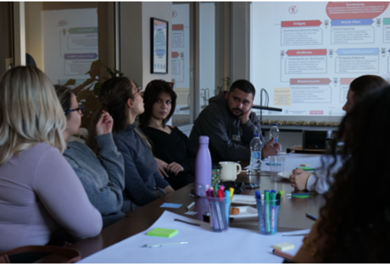
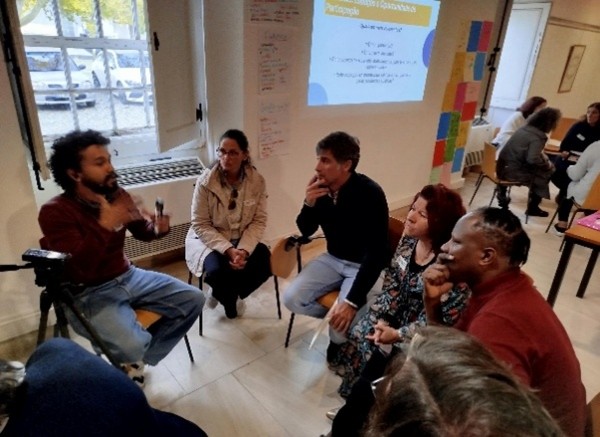
In Greece, 33 people took part in training for Civil Society.

Two capacity-building trainings for Civil Society Organizations (CSOs) were conducted in Thessaloniki, Greece under the framework of the Solidarity4All project, based on the priorities and needs identified through the Communities of Practice meetings. Both trainings followed the same agenda and were delivered in a hybrid format, allowing participants to join either in person or online. This format was selected to ensure broad participation, particularly for representatives living in other cities or those unable to attend physically.

Attendees included representatives from various NGOs and community groups, some of whom joined from different cities via a hybrid format. The group was characterized by a need to address fragmentation within the civil society ecosystem, overcome barriers faced by informal groups and strengthen skills in community mobilization and local project design.

Each training took place from 09:00 to 19:00, with a total duration of 10 hours, including scheduled breaks. The agenda covered a wide range of thematic areas essential for strengthening CSO operations and supporting their role in designing and implementing local solidarity actions.

In response to the perspectives shared through the Communities of Practice, the training agenda was developed to address both foundational and practical dimensions of civil society work. The sessions included thematic modules on Diversity, Equity & Inclusion; the formation of stereotypes and unconscious bias; administrative and partnership management for CSOs; financial management and fundraising; communication and social media strategies; and the design and planning of local solidarity projects to be carried out by April. This structure ensured that participants not only gained theoretical understanding of inclusion and discrimination dynamics but also acquired concrete tools to strengthen their organizational capacity, collaboration methods, and project implementation skills.

The training demonstrated high effectiveness in meeting participant expectations and enhancing their self-perceived competencies. Comparative analysis of the pre- and post training surveys revealed a notable increase in confidence across all measured areas, with the most significant gains observed in participants’ ability to encourage community activity and effectively use group activities for decision-making directly addressing core learning desires related to mobilization and participation. Furthermore, the overall training execution was rated exceptionally high, with participants expressing strong satisfaction concerning the supportive learning environment, the constructive group dynamics, and the clarity facilitated by the practical exercises. Future sessions can be strengthened by integrating qualitative feedback, which suggested reducing text on presentations and encouraging trainers to rely less on structured reading in favour of more illustrative examples

The evaluation revealed a significant and noticeable increase in participants’ self-perceived skills, particularly in the areas that CSOs had prioritized: community mobilization and the ability to use group activities for effective decision-making. This strong outcome confirms that the training successfully equipped participants with the action-oriented skills necessary to increase community engagement and implement local solidarity projects.

The overall quality of the training execution was exceptionally high. Participants expressed strong satisfaction with the supportive learning environment, the constructive

group dynamics, and the clarity facilitated by the practical, interactive exercises. The trainers’ approach and the creation of a safe atmosphere were particularly well-received. Furthermore, the strategic use of a hybrid format ensured maximum accessibility, successfully including representatives who could not attend in person.

Portugal
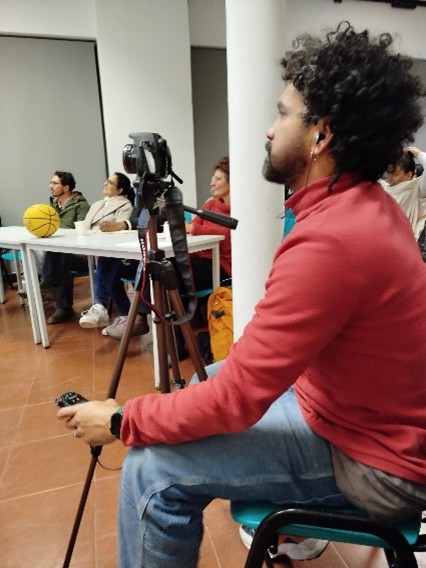
In total, 39 people participated in the trainings for Civil Society Organizations.

The training was designed based on an analysis of the training needs raised in the WP3 – assessment. In Portugal, it is recognised that training can strengthen the sustainability of associations, but the lack of time available limits participation. More than themes, the importance of training adjusted to the level of maturity of organizations and taught by trainers with real associative experience, capable of understanding the context and avoiding inappropriate content, was highlighted.

Therefore, AKF prepared a training entitled ”Community Development and Leadeship”, covering subjects such as Participation and Solidarity; Diversity and Inclusion, Mechanisms and models for participation and solidarity; Planning and designing local projects; Monitoring and evaluating projects.

In Fundão, in conjunction with the local authority, a training modality of 2 consecutive days was chosen. The training had 7 participants and was facilitated by 3 members of the Aga Khan Foundation. The municipality of Fundão and AIMA (online) were also invited for a detailed presentation of participation and solidarity mechanisms. The groundstigator accompanied the entire training.

At the end of the training, the participants were invited to brainstorm ideas for Local Solidarity Activities (WP 7

A final pitch was presented by each group to the Local Authorities representatives, generating great enthusiasm on the part of those present in the implementation of the projects. The groups pitched their proposals for local solidarity activities, to be developed in the following months, with LA – Local Authorities giving their feedback and ensuring their commitment and involvement in the projects presented.
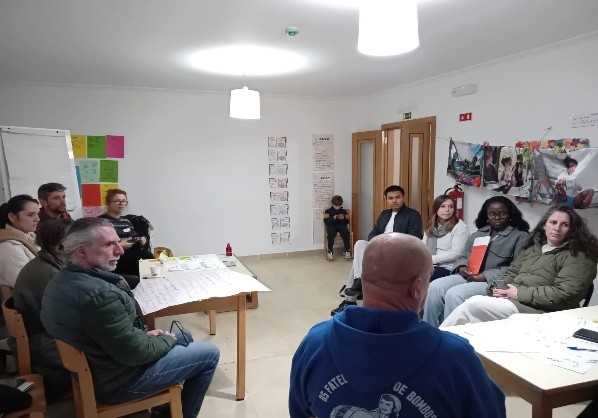
In Loures the training had 32 participants and was facilitated by 3 members of the Aga Khan Foundation. The municipality of Loures and AIMA were also invited for a detailed presentation of participation and solidarity mechanisms. The groundstigator accompanied the entire training

In conjunction with the local authority, a training modality for CSO & UC of 6 days, spread over several weeks, was chosen.

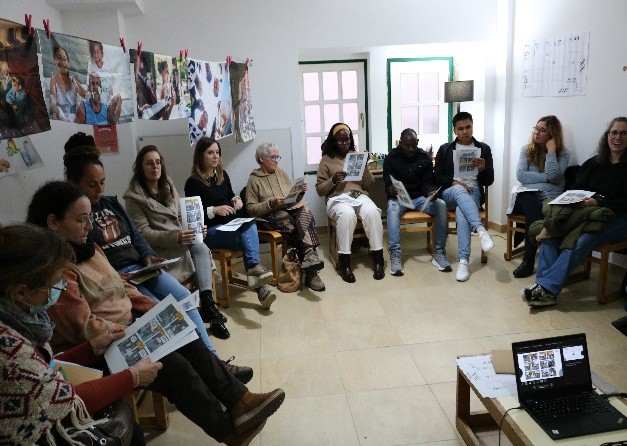
Despite the conditions of the space, they were decorated with training and pedagogical materials that helped to visualize the contents presented, as well as being examples of already tested resources to be used in the mobilization and participation of the community, as happened in Fundão, and therefore, in its likeness. The various posters and sheets resulting from the dynamics carried out were placed, reinforcing the identity of the group and the themes that were addressed.

Although the group was larger than expected, it was decided to accept all the people who wanted to participate and the environment of great expectation on the part of participants was essential to create an atmosphere of trust.

Considering the wide variety of participants’ profiles and their attendance, it was necessary to review the dynamics and reduce the time of some content, ensuring the sharing of the minimum information that would allow them to present a project at the end of the session and learn about local and national mechanisms that would allow them to increase the participation of the communities.

In Loures it was possible to have 3 guests – from the municipality, from AIMA and from the municipal assembly. The latter is a person who lived and is recognized in the neighbourhoods in Loures and who inspired with his history of activism and civic participation.

As with the previous group, at the end of the training the participants were invited to think of ideas for Local Solidarity Activities (WP 7): 3 ideas from 3 groups were presented through a pitch with the proposals for local solidarity activities to be developed in the following months.

For the pitch, Local Authorities were invited, as well as an entity based in the territory, generating great enthusiasm on the part of those present in the implementation of the projects and allowing the immediate exchange of contacts to support the activities presented.

The involvement of municipalities and groundstigators in the mobilization phase was decisive in reaching different audiences, namely people who do not normally participate (and even harbor some mistrust towards institutions), such as young people and women from different backgrounds living in contexts of social exclusion.
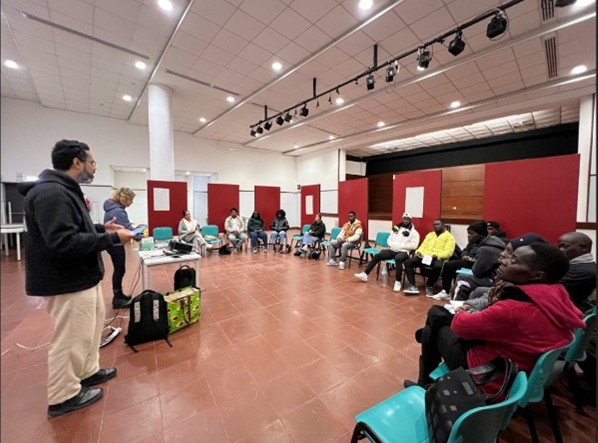
The participation of groundstigators in the trainings was essential to create a sense of belonging and closeness with all trainees and groups, essential for the implementation phase of local solidarity projects (WP7). In addition, they supported the recording of images and videos and the management of work with the group. The trainings were considered a success with most participants considering moving on to the implementation of local solidarity activities (WP 7). The presence of guests such as the municipalities and AIMA allowed the understanding in detail of local and national participation opportunities, and also the exchange of contacts. The participation of Local Authorities, as guests in the presentation of the pitches was a very significant moment as it demonstrated the interest of the municipality’s staff and other public and private entities in the project, and mobilized them as a resource for the implementation of the project, and eventually,  after the project, reinforcing the local network of CSO partners.

The use of dynamic methodologies, practical examples and group work were appreciated by the trainees. The possibility for AKF to mobilise 3 staff with different backgrounds created an even more appealing learning environment.
 

Solidarity4all delivers training to local authorities in 3 countries!

Sweden

In total, 43 municipal officers from Arvika Municipality participated in several training activities to foster Participation and Solidarity.

NextGen Solution Training – Reaching Underrepresented Youth: The training was held in November 2025 and engaged a cross-sector group of municipal staff working with youth, as well as representatives from the Church of Sweden. Despite recruitment challenges due to local workload constraints, a relevant and diverse group of participants attended.

Fryshuset’s NextGen Solution training focused on strengthening professionals’ ability to reach underrepresented youth, particularly girls with foreign backgrounds, and to support their entrepreneurial development and sense of agency. This group within the larger group of ”youth”, was also identified during the assessment phase as particularly hard to reach with formal activities, thus showing a lack of participation in other activities than school for this group. A lack of representation from this group has been observed by the project team, both during the assessment phase and during other activities, which was one of the deciding factors for introducing the tools from NextGen Solutions; increasing possibilities for girls with foreign backgrounds to take on entrepreneurial roles and for local officers and decision-makers to gain increase understanding for structural barriers that this group is facing, as well as tools for how to reach girls from minority backgrounds.

The training resulted in concrete proposals for outreach and future activities, including potential workshops for identified participants.

Discussions generated multiple perspectives and strengthened participants’ understanding of how structural barriers affect youth engagement. The material developed during the training included both change-oriented frameworks and practical approaches for future implementation.

More process support may be needed moving forward to support increased participation and representation for the underrepresented group that this training is meant to facilitate solidarity and participation for. Thus, Fryshuset will continue the dialogue with Arvika Municipality and relevant CSOs on this topic.

Training on Youth Participation and Democratic Inclusion: municipal staff and decision-makers in Arvika Municipality took part in training to learn more about a structured model and practical tools for strengthening youth participation and inclusion in April 2025 in collaboration with Fryshuset, the training had the following objectives:

  • establish a shared platform and language around youth participation
  • support the municipality’s exploration of a potential youth council
  • strengthen long-term inclusion of young people in local decision-making

Participants engaged in structured reflection exercises exploring:

  • the current state of youth participation
  • desired developments within one year
  • long-term aspirations over a five-year horizon

This work additionally served as preparation for a planned Future Search workshop on youth participation later in the year.

Participants valued the opportunity to jointly reflect across departmental roles. The session helped build a shared understanding of both challenges and future ambitions related to youth inclusion and created a stronger foundation for continued cross-sector collaboration.

Training on Engaging Motor-Interested Youth (MIU) – Säker Start (Safe Start): Additionally, municipal professionals responsible for planning and implementing activities for motor-interested youth participated in a new training in June 2025. The need was clearly expressed during the assessment phase, where motor-interested youth were viewed by others as at risk for destructive behaviours, as well as that rural youth (a category where several of the motor interested youth are also part of from an intersectional perspective) often felt excluded in urban activities. Thus, this training was seen as a pre requisite for developing a new youth-developed structured programme and space for motor interested youth in Arvika, drawing from Fryshuset’s experiences with similar programming in other parts of Sweden (mainly Karlskrona and Oskarshamn).

Participants expressed overall satisfaction with the training. Engagement increased significantly following programme adjustments after the first day.

Outcomes included improved understanding of the target group, practical tools and planning materials and increased readiness to initiate and implement activities.

Discussions and collaborative exercises contributed to greater alignment and clarity on future approaches.

Greece

In Greece, 34 people attended the training, among elected officials, administrative staff, youth council representatives and students from the Aristotle University.

The Capacity Building Training for Local Authority representatives focused on translating concepts of solidarity, inclusion, and participation into concrete municipal practice. The full day session covered a wide range of thematic areas essential for promoting inclusive governance and strengthening social cohesion within local communities.

The sessions included themes such as Diversity, Equity, and Inclusion (DEI); Community Mobilization, Empowerment, and Belonging; Empathy, Solidarity, and Social Cohesion; Practical Application and Case Study Discussion; Review, Conclusions, and Next Steps: A final session dedicated to summarizing the modules, drawing holistic conclusions, and encouraging LAs to apply the learned tools to co-create inclusive initiatives in the subsequent phases of the Sol4All project.

The capacity building training for Local Authority representatives was a demonstrable success, fulfilling its strategic objective of enhancing the capacity for inclusive participation and social cohesion under the Solidarity for All (Sol4All) project. The training design was directly informed by the needs identified in the Communities of Practice (CoP) meetings, providing a highly relevant curriculum structured across three essential thematic modules. This structure ensured participants received both the foundational awareness necessary to challenge unconscious bias and the practical tools needed for effective community engagement.

The use of participatory and experiential methodology, highlighted by activities like the “Flower of Diversity” and practical case study applications, was key to the high quality and positive feedback received. Participants rated the effectiveness of these activities exceptionally high, affirming the training’s success in translating complex concepts into actionable knowledge. Crucially, the assessment results validated the strategic approach, showing a significant average gain in self-assessed competency across all measured areas.

The most impactful changes were seen in the confidence to drive community-led initiatives and the critical understanding of participation limitations, demonstrating that the training successfully empowered LAs to move beyond theoretical commitment to practical action.

In synthesis, the training did more than just impart information; it enhanced the self-efficacy of LA staff, validated the core Sol4All framework of Empathy-Solidarity-Cohesion, and equipped local government with the capacity required to co-create inclusive and resilient communities for the subsequent phases of the project.

Portugal

In Portugal, 34 municipal and public services officers from the cities of Fundão and Loures took part in training to develop their partcipatory approaches. The training was entitled ”Participatory Methodologies” and included subjects as: Diversity and Inclusion; Community mobilization; Participatory assessments; Participation and civil society; Community-led initiatives.

For the implementation of this WP, groundstigators were recruited, with the support of the respective municipalities where the trainings were held.

Groundstigator is a term created by the Aga Khan Foundation Portugal in 2017 and adopted by the Council of Europe to value the role of people in the community as researchers and experts “in/from the field”, acting as thinkers and attentive observers of people’s diverse perceptions, regardless of their education or level of academic qualification.

In the Solidarity4All project, groundstigators are part of the team that will promote training and other events with people from diverse backgrounds and underrepresented groups, namely through their support in the mobilization of officers from NGOs and public organizations for the training, and in the development of community-led activities, with the support of the municipalities. The Grounstigators work as mediatiors, facilitatiors and mobilizers to promote dialogue between under-represented groups and between them and local institutions. Promoting the civic and political participation of underrepresented groups  trough facilitating the resolution of cultural or social conflicts that may arise is also an important role, as well as collecting data on the needs and challenges faced by underrepresented communities and groups in civic and political participation.

In Fundão, the training had 17 participants and was facilitated by 3 members of the Aga Khan Foundation. The municipality of Fundão and AIMA – National Migrations Agency were also invited for a detailed presentation of participation and solidarity mechanisms. The groundstigator accompanied the entire training.

In Loures, in collaboration with the local authority, a 6-day training modality for LA was chosen, spread over several weeks.

The training had 14 participants (and 26 registrations) and was facilitated by 3 members of the Aga Khan Foundation. The municipality of Loures and AIMA were also invited for a detailed presentation of participation and solidarity mechanisms. The groundstigator accompanied the entire training.

The involvement of municipalities and groundstigators in the mobilization phase was decisive in reaching the Local Authorities. The groups were composed only of staff from the municipality, especially from the same departments, although in Loures there was a greater diversity of areas. The decision to join NGO staff was positive, as these people are officers from professionalized associations (unlike the training of CSO & UC – WP 10), as it allowed other perspectives on the territory and approaches used. The participation of groundstigators in the trainings was essential to create a sense of belonging and closeness with all trainees and groups, essential for the implementation phase of local solidarity projects (WP7). In addition, they supported the recording of images and videos and the management of work with the group.

The trainings were considered a success because the most frequent obstacles identified in the diagnostic phase of the training were communication failures and lack of information, together with language and cultural barriers. Difficulties in mobilizing communities on a continuous basis and demotivation or mistrust, especially from hard-to-reach groups, including young people, and limitations related to lack of methodologies, human resources and complex legal framework also emerged with high frequency.

The presence of guests such as the municipalities and AIMA allowed the understanding in detail of local and national participation opportunities, and the exchange of contacts.

The use of practical activities and “hands-on” methodologies, examples and group work were appreciated by the trainees. The possibility for AKF to provide the training with 3 more officers with different backgrounds created an even more appealing learning environment.
Solidarity4all concludes assessment on Participation and Solidarity!

Between December 2024 and March 2025, the various partners of the consortium dedicated themselves to the study of the state of the art of community solidarity and the participation of underrepresented communities.

In an initial phase, questionnaires were applied to more than 200 people, which provided us with clues for the development of the remaining diagnostic activities.

Between interviews and focus groups, more than 180 people in Portugal, Greece and Sweden participated, as well as about 6 members of the European Parliament from various political spectrums. The target audiences of these moments were activists, leaders of local civil society organizations, social organizations, municipalities and public service officials.

The following topics were addressed:

  • Experience and level of community participation
  • Experience and level of solidarity in the community
  • Motivation, expectations and challenges regarding participation
  • Opportunities and conditions to participate
  • Perceived social support
  • Perceived social cohesion
  • Trust in local Civil society organisations and public institutions
  • Existing partnerships
  • Political priorities and strategies for participation and solidarity
  • Political Vision for Participation and Solidarity
  • Idealized future for participation and solidarity/ plans for the future
  • Access to information and the flow of communication
  • Participatory and solidarity practices
  • Existing mechanisms for participation
  • Gaps in Participation

The results of the questionnaires point to notable differences in the perception and practice of civic participation in the three countries.

In Portugal, the most common forms of participation are direct help to neighbours, participation in local events and voting. In Greece, voting is considered key, but volunteering and community participation are also prominent, from direct action to involvement in NGOs and demonstrations. Sweden has a more diverse perception of participation, with support for neighbours and associations, and participation in events, as significant aspects of participation and solidarity.

In Portugal and Greece, the most important values for participation are cooperation and inclusion, and in Sweden, inclusion and justice. The common idea that participation strengthens solidarity emerges in all countries.

While the basis of solidarity lies in mutual aid, the priorities for its local manifestation and its link to participation vary significantly between contexts.

The interviews and the Focus Group with CSOs, Local Authorities and Municipal Decision-makers deepen and confirm the results of the surveys, evidencing an understanding of participation as civic responsibility, democratic involvement, collective action for a common purpose, recognizing the importance of solidarity, especially in crisis situations.

CSOs are considered key elements of proximity and capacity to reach communities, but challenges persist – financial challenges, leadership concerns and even difficulties in cooperation with public entities are mentioned across the board.

Trust in public authorities is scarce. Challenges such as the feeling of indifference from these institutions, excessive bureaucracy and lack of political will are pointed out as obstacles to more meaningful participation. Barriers such as lack of time, lack of motivation, lack of information or dissemination, and lack of opportunities and accessible spaces were also identified as challenges shared by CSOs in the three countries.

There is no consensus on whether the opinions of citizens are considered. If, on the one hand, most people and CSOs feel that they are not heard in certain contexts, most institutional representatives mention the existence of mechanisms to promote participation and report analysing and using the proposals of the communities on some occasions.

The evidence suggests that the challenge may lie in the effectiveness, dissemination and accessibility of participation and solidarity mechanisms, access to information on how and when the information collected is used, and deep distrust in institutions and people in political decision-making positions also seems an important challenge to be addressed. The need to improve participatory mechanisms is recognized by the authorities themselves, and we hope to be able to shed some light on this topic and support local authorities in this effort within our project.

In the following phases we will use this information to develop training actions and Think Tanks at national and international level. Keep following us to learn more!

National Civil Society Participation Think Tank | groupe de réflexion national sur la participation de la société civile

The project Solidarity4all is hosting a National Civil Society Participation Think Tank in France on 7th February. This event aims to promote a fruitful discussion about the Participation of Underrepresented communities with an outlook on the Future of the European Union.

Le projet Solidarity4all organise un groupe de réflexion national sur la participation de la société civile en France les 7 et 9 février. Cet événement vise à promouvoir une discussion fructueuse sur la participation des communautés sous-représentées dans la perspective de l’avenir de l’Union européenne.

The results of this discussion will inform the deliverables of our project, namely a list of recommendations for more inclusive Public Policy, that will be delivered to local, national and European decision- makers around the EU on our final event. A policy brief and a documentary will also spread these recommendations around the continent.

Les résultats de cette discussion serviront de base aux conclusions de notre projet, à savoir une liste de recommandations pour des politiques publiques plus inclusives, qui sera remise aux décideurs locaux, nationaux et européens de toute l’UE lors de notre événement final. Une note d’orientation et un documentaire permettront également de diffuser ces recommandations à travers le continent.


If you are:

– member or leader of a Civil Society Organisation operating in France

– an activist or active citizen fighting for more representation in political participation

– working in public service or local / national government

This event is for you!

Join us and help shape the Future of Participation in the EU!


Si vous êtes :

– membre ou dirigeant d’une organisation de la société civile opérant en France

– un militant ou un citoyen actif qui lutte pour une meilleure représentation dans la participation politique

– travaillez dans la fonction publique ou au sein d’une administration locale/nationale

Cet événement est fait pour vous !

Rejoignez-nous et contribuez à façonner l’avenir de la participation dans l’UE !


EVENT/ ÉVÉNEMENT

7th February, Saturday / Samedi 7 Février

For Civil Society Organizations and citizens/ Pour les organisations de la société civile et les citoyens

Hours/ Horaires: 11:00am to 6:30pm

Link to enrol/ Lien pour s’inscrire: 


Solidarity4All Civil Society Participation Think Tank France CSOs


Programe:

  • Presentation of the Solidarity4all project / Présentation du projet Solidarity4all
  • Results of the assessment/ Résultats de l’évaluation
  • Introduction to Futures Search methodology/ Introduction à la méthodologie Futures Search
  • Prouds and Sorries: what we regret about the past/ Fiertés et regrets : ce que nous regrettons du passé
  • Dreaminbg a better Future for the EU (work group)/ Rêver d’un avenir meilleur pour l’UE (groupe de travail)
  • Proposal for Public Policy/ Proposition de politique publique
  • Next steps/ Prochaines étapes


Venue / Lieu : Wellio Saint Lazare – 10 rue de Madrid, Paris (Fabrique space) / Plaquette Paris Saint Lazare 

Everyone is welcomed but we ask you to enrol please in the links above. Lunch and coffee breaks will be offered to all participants enrolled/ Tout le monde est le bienvenu, mais nous vous demandons de vous inscrire en cliquant sur les liens ci-dessus. Le déjeuner et les pauses café seront offerts à tous les participants inscrits.


Note: if you need support for transports contact us at/ Remarque: si vous avez besoin d’aide pour le transport, contactez-nous à l’adresse suivante : https://www.solidarity4all.eu/contact/


More about Solidarity4All project/ Pour en savoir plus sur le projet Solidarity4All: https://www.solidarity4all.eu/

Launch – Solidarity4all website

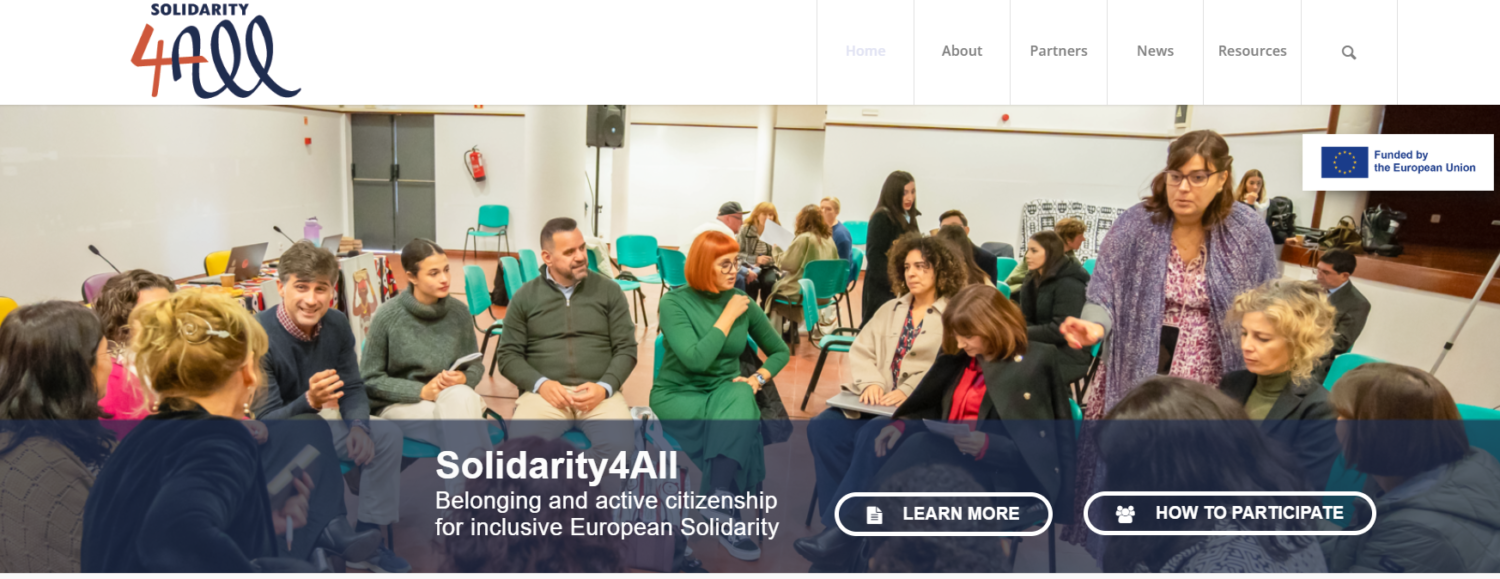
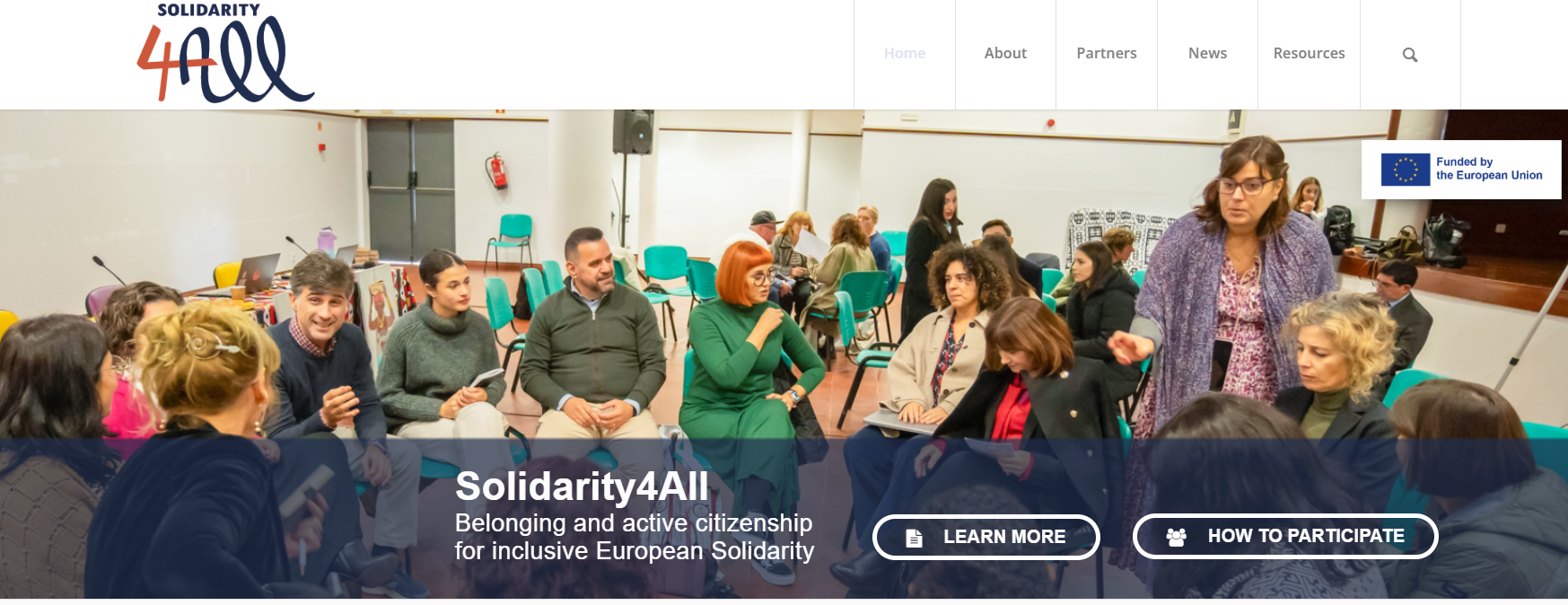
«Solidarity4All: Belonging and Active Citizenship for Inclusive European Solidarity» is a two-year initiative started on September 1, 2024, that will run until August 2026, involving five countries: Portugal (Aga Khan Foundation), Sweden (Fryshuset Foundation), Denmark (THE WHY Foundation), Greece (Aristotle University), and France (European Institute for International Law and International Relations). 

«Solidarity4All» aims to strengthen the participation of underrepresented communities in democratic and civic life while creating more inclusive solidarity ecosystems. The project will seek the engagement of underrepresented communities in the democratic processes, using participatory methodologies, dialogue for peace, advocacy strategies, and political influence—key elements for community innovation. A human rights documentary will also be developed and launched by the end of the project. 

Our project has started with a Mutual Training meeting in Lisbon, in November 2024, and is now almost closing a participatory assessment of needs in the partner countries.  

Soon, training for Civil Society Organisations and Local Authorities will happen in Greece, Portugal and Sweden, as well as solidarity actions led by local communities.  

Our website will be an important step to communicate our progress and to collect ideas and proposals from communities, Civil Society Organisations, local authorities and decision-makers. Also, it will collect relevant existing and new resources for Participation and Solidarity! 

Follow us to keep posted on our activities and resources! 

You can also find us on Linkedin. 

#solidarityforall 

Solidarity4All launched in Lisbon

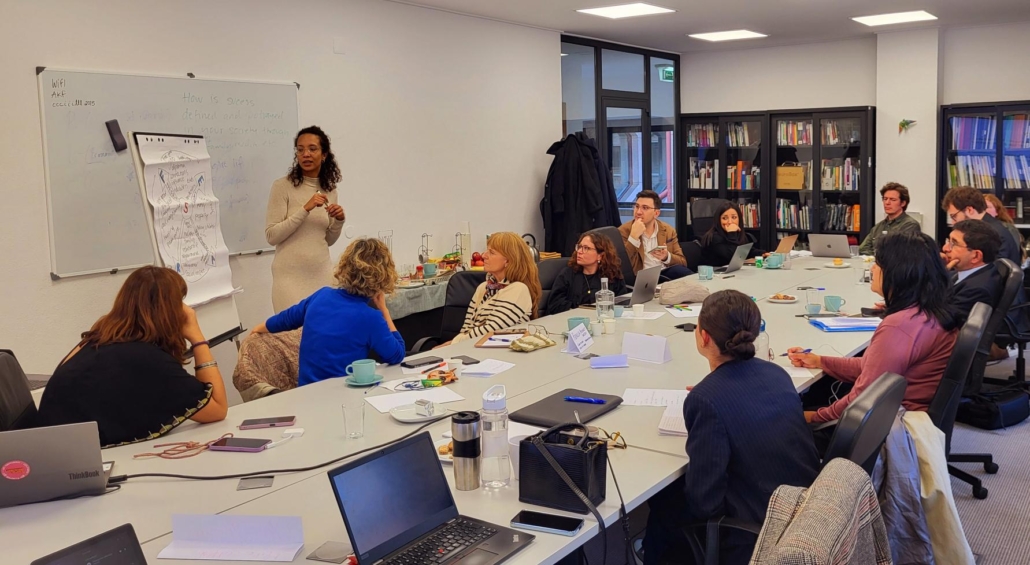
The launch of the «Solidarity4All: Belonging and Active Citizenship for Inclusive European Solidarity» project took place on November 19-22, 2024, in Lisbon, with the participation of financial and non-financial partners. This two-year initiative began on September 1, 2024, and will run until August 2026, involving five countries: Portugal (AKF), Sweden (Fryshuset Foundation), Denmark (THE WHY Foundation), Greece (Aristotle University), and France (European Institute for International Law and International Relations).

«Solidarity4All» aims to strengthen the participation of underrepresented communities in democratic and civic life while creating more inclusive solidarity ecosystems. During the first three days of the event, activities took place at the Ismaili Centre, where each partner presented their working methodologies and led workshops on participatory methodologies, youth engagement, dialogue for peace, advocacy strategies, and political influence—key elements for community innovation. The program also included strategies for creating a human rights documentary, featuring experts from the partner institutions.

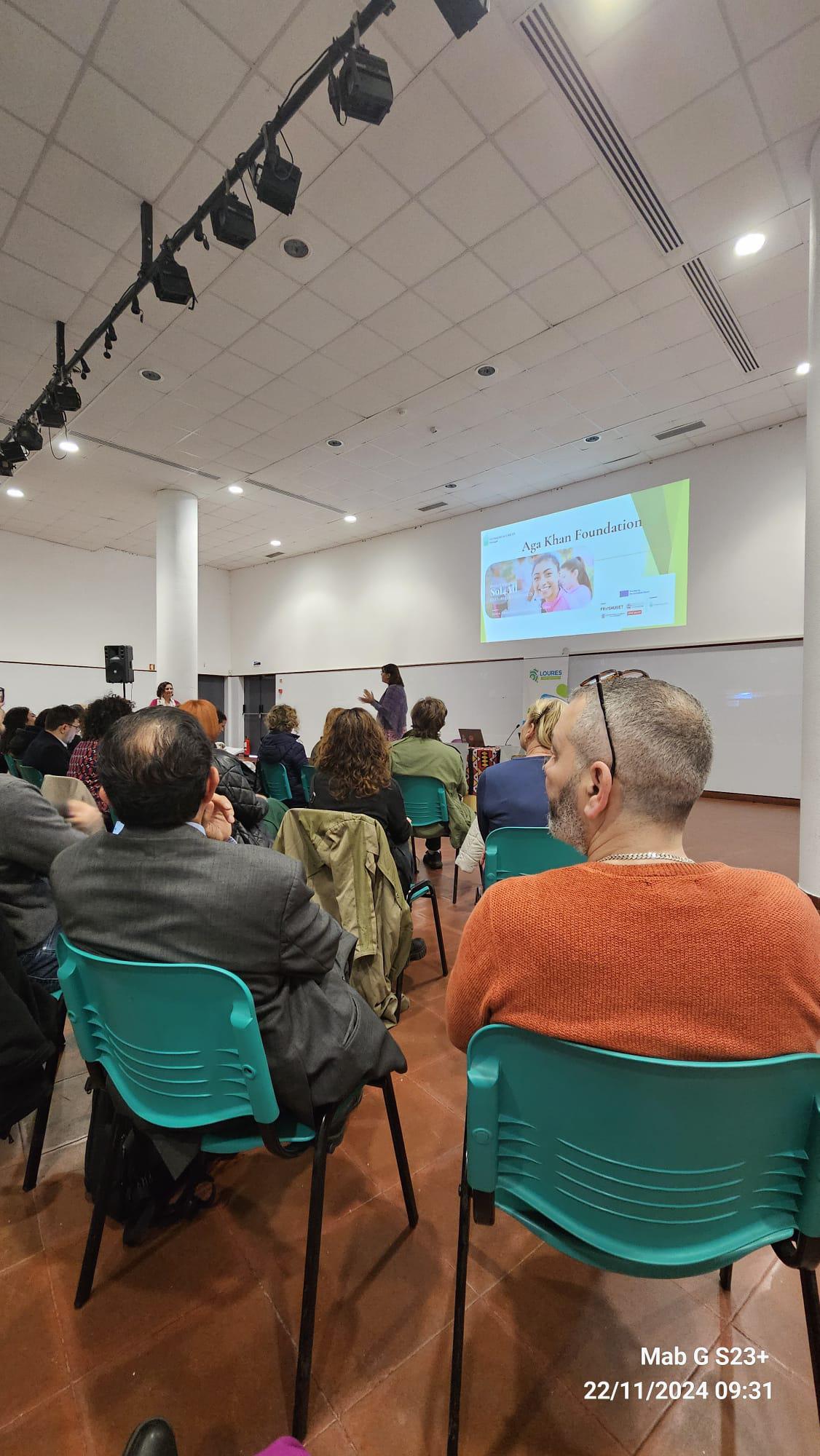
On November 22, an open event for financial and non-financial partners was held at the Casa da Cultura in Sacavém. Representatives from civil society and local authorities discussed the participation and solidarity of underrepresented communities. The event featured discussions on project milestones, fostering dialogue on inclusion and social cohesion in Portuguese and European communities.

From Portugal, the Municipality of Fundão, Municipality of Loures, and AIMA participated, along with several local associations from Loures. The event also welcomed representatives from the Citizens Crossroads association (Greece) and two Swedish cities (Arvika and Hennisse).

This four-day event marked the beginning of a journey to influence public policies at local, national, and European levels, promoting a more united and inclusive Europe.