Latest News and Stories
All the news that are relevant for our solidarity community
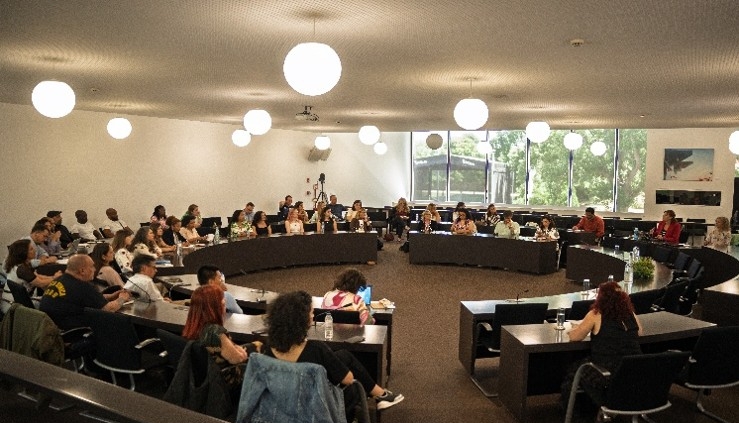
As part of our project, each country hosted national seminars to present project results so far and engage citizens of diverse groups, decision-makers and local authorities in fruitful debates around Solidarity and Participation.
In total, 5 seminars were held. Bellow you can know more about each one of them:
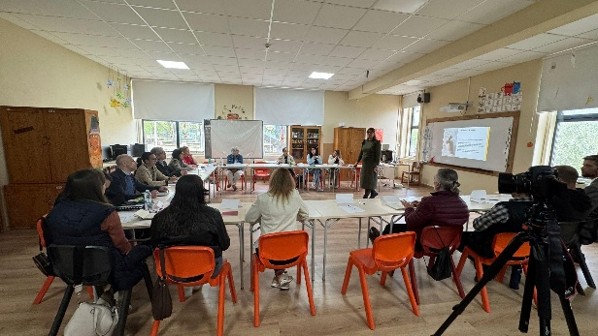
In Portugal, the Ag Khan Foundation togheter with it´s national partners organised a national seminar on the 2nd of June.
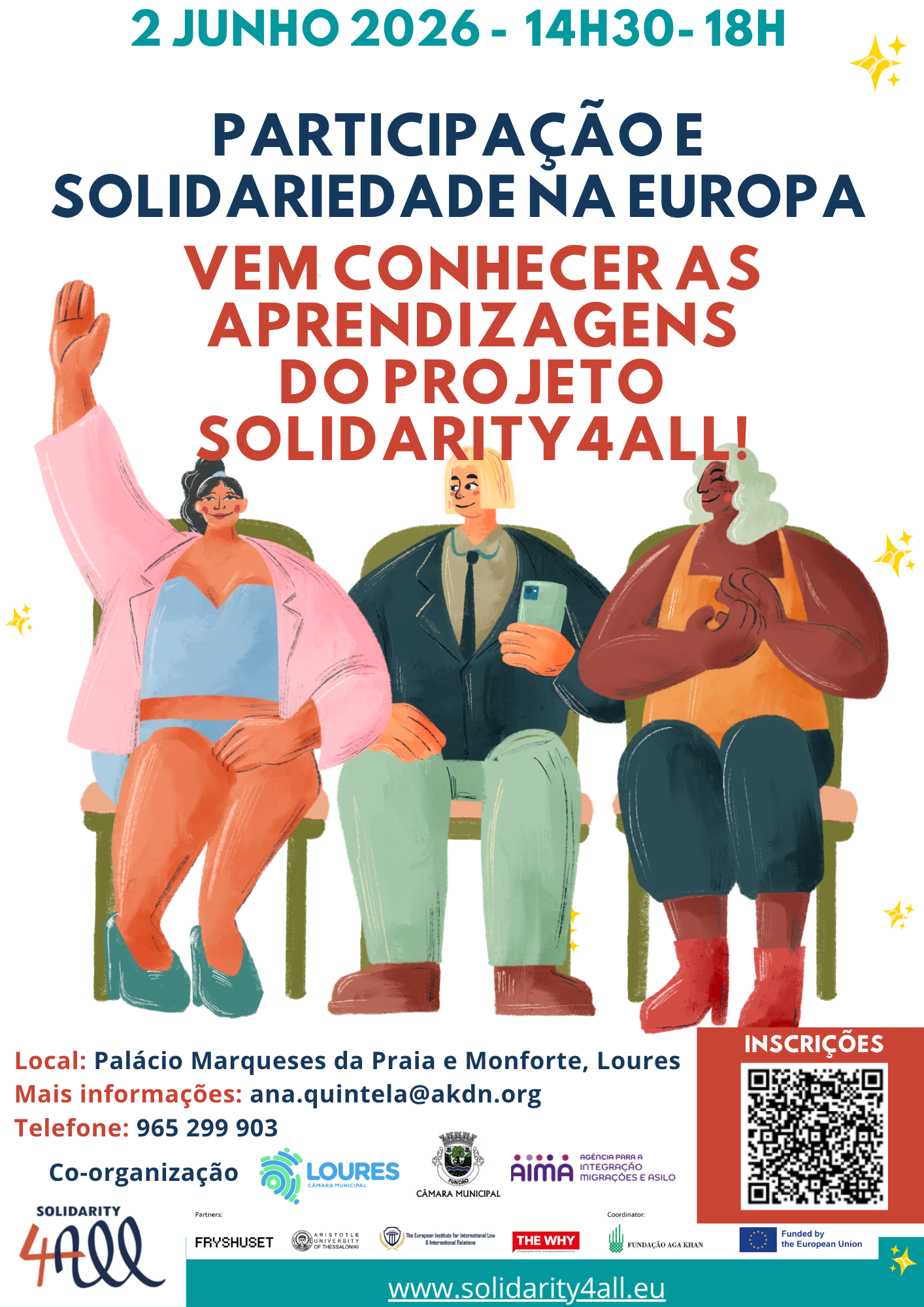
The Seminar was held in a venue granted by Loures Municipality and had the presence of several representatives fro the Fundão Municipality and AIMA – National Migrations and Asylum Agency. Also, several of the local community leaders were invited to be present. The invitation was also extended to external entities, such as other municipalities and organisations fro the social sector. In total, 57 people were present at this event.
The event was designed to mirror the spirit and values underlying or project, and, as such, the panel participants were residents of Fundão and Loures, as well as representatives from these municipalities and AIMA – National agency for asylum and migration. Some of these stakeholders had not yet had the chance to cross paths in person and at the event had the opportunity to identify common issues and experiences, but also specificities of each territory.
During the Q&A period several people contributed with relevant questions and suggestions, including people from underrepresented communities who were not involved in the project. All these contributions were added to our notes and will be reflected in the final policy recommendations. 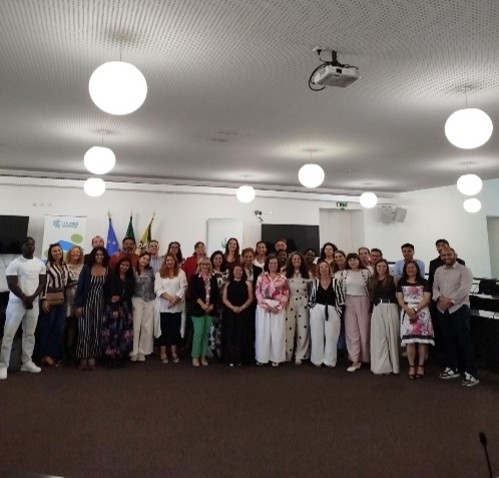
After the conclusion of the seminar, those present also expressed, in loco, their great satisfaction with the fact that they were able to share or listen (depending on whether they participated in the thematic panels or were in the audience), real testimonies and proven changes already visible. It should be noted that the people who participated directly in the project activities and who testified in the same thematic panel, were very pleased to have been able to do so with people from other territories, and greatly valued having been able to meet other beneficiaries who had a similar role in the project.
The event brought together representatives of Civil Society Organisations, local authorities, community leaders, academics, students and citizens interested in solidarity, civic participation and inclusive governance. The seminar served as a national dissemination and reflection event, presenting the main activities, achievements and lessons learned from the implementation of the project in Greece, while also providing participants with the opportunity to actively engage in participatory exercises inspired by the methodologies developed throughout the project.
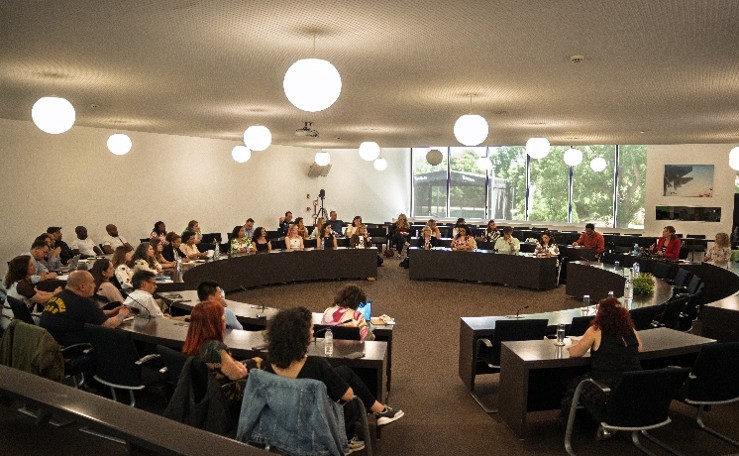
The national seminar in Greece was organised under the AUTh on Sundays, one of the most dynamic initiatives of the University, launched in 2012 to make Aristotle University of Thessaloniki (AUTh) open and welcoming to everyone on selected Sundays in May, AUTh comes alive and invites people of all ages to experience knowledge up close. Through experiments, observations, creative workshops, games, and guided tours in the museums, archives, and collections of AUTh, visitors of all ages can discover firsthand the important educational work taking place. In total, 53 people participated.
 The programme combined presentations, discussion sessions and interactive workshops. Participants were introduced to the objectives of the project, the results of the participatory assessment, the Communities of Practice meetings, the capacity-building trainings for Civil Society Organisations and Local Authorities, the local Think Tanks, and the outcomes generated at both national and European levels. Particular emphasis was placed on the role of solidarity ecosystems, citizen participation and the inclusion of underrepresented communities in democratic processes.
The second part of the seminar focused on participatory engagement through two interactive activities. Participants reflected on positive and negative aspects of civic life and solidarity in their communities and subsequently developed collective visions for the future of their communities through a structured foresight exercise. These activities encouraged dialogue, mutual learning and collective reflection, while creating a direct connection between the project findings and participants’ lived experiences.
The project adopted a participatory methodology that actively involved Civil Society Organisations, local authorities, community representatives and citizens in all phases of implementation. Rather than treating participants as passive beneficiaries, Solidarity4All sought to engage them as co-creators of knowledge and contributors to policy discussions regarding social inclusion and democratic participation.
The seminar therefore had a dual purpose. First, it provided an opportunity to disseminate the project’s main findings and achievements to a broader audience. Second, it created a space for collective reflection on the future of solidarity, participation and community development in Greece.
The event highlighted how local experiences can contribute to broader European discussions regarding democratic engagement, inclusion and social cohesion. By bringing together different stakeholder groups, the seminar fostered dialogue across sectors and reinforced the project’s objective of strengthening solidarity ecosystems at local, national and European levels.
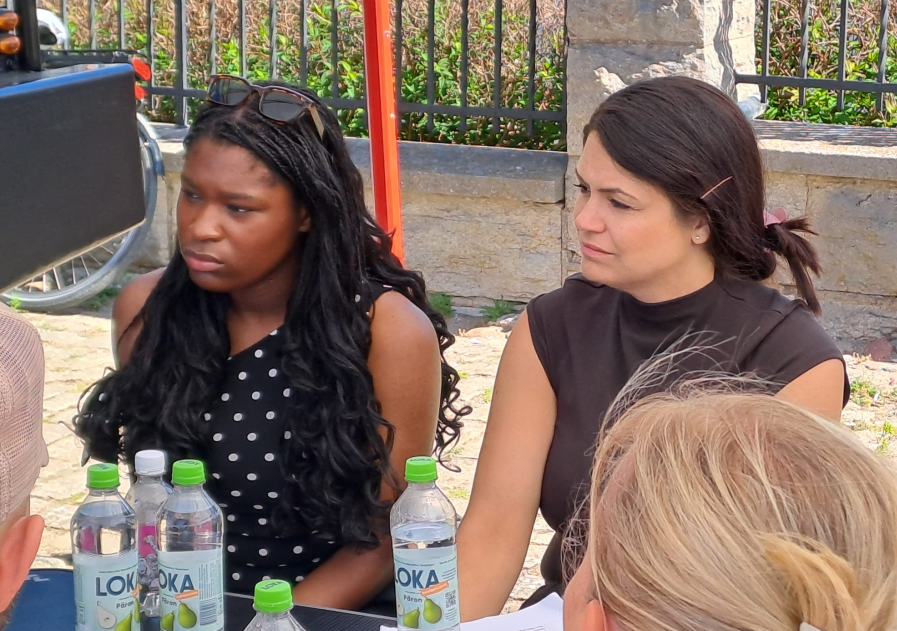
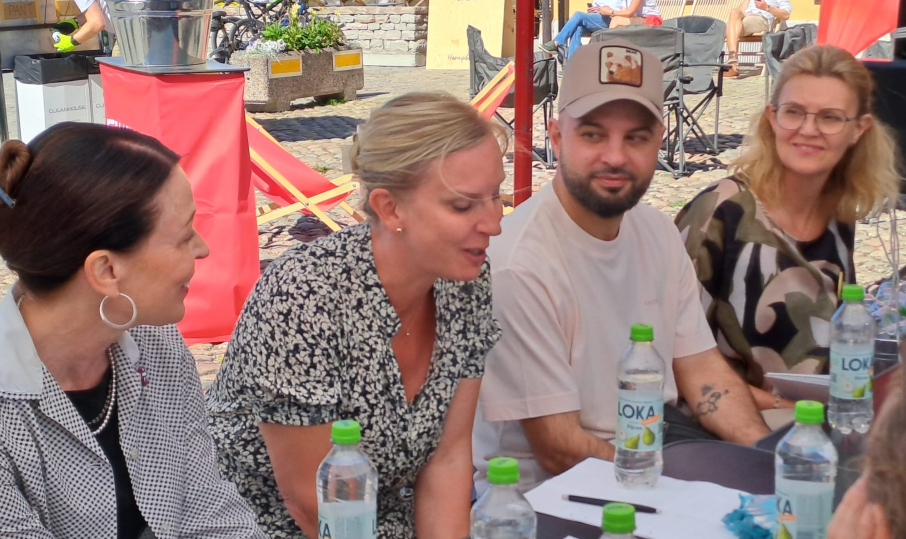
In order to share results and deliverables from the Sol4All project, as well as to promote and continue the debate on participation and solidarity for underrepresented (youth) communities, Fryshuset Foundation held a seminar at the yearly Almedalen Politicians Week in Visby, Gotland on the 25th of June 2026.
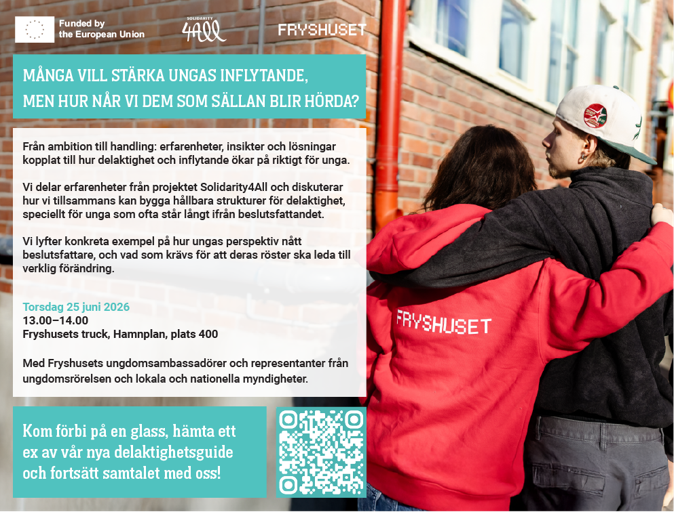 This forum was actively chosen for the national seminar, due to Almedalen Week being Sweden’s largest democratic forum, bringing together politicians, public sector leaders, civil society organisations, businesses, researchers and citizens to discuss societal challenges and opportunities. It creates a unique arena for dialogue, knowledge-sharing and collaboration on issues such as social inclusion, democracy, welfare and sustainable community development. Thus a perfect space for sharing the results and deliverables from Sol4All with national and local authorities, decision-makers, as well as young changemakers and interested civil society actors.
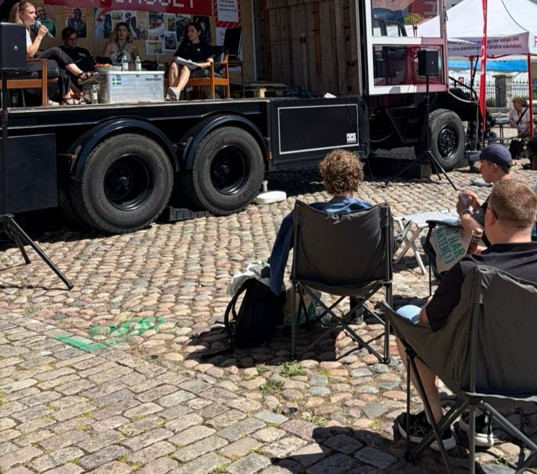
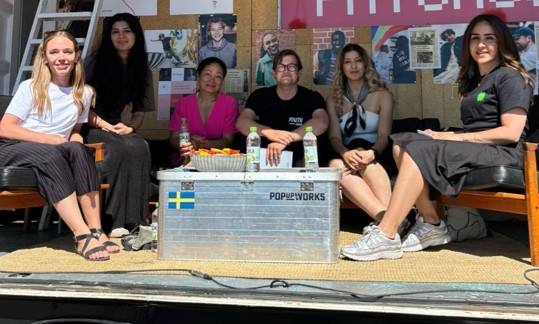
The event invitation went out to everyone who had participated in the project, as well as relevant actors present during the Almedalen Week and the broader public through social media communication platforms. In total 63 people participated.
The panellists consisted of representatives from national authorities, local administrations, youth organisations, and persons from underrepresented communities. The seminar participants overall were a mixed group, but the coherent feedback during and after the seminar was that it gave new perspectives on the situation for youth in Sweden, a sense of wanting more collaboration both within civil society and with public actors, and that youth themselves need to be in the forefront of design and actions for strengthening their participation in society.
The results from a questionnaire sent out after the seminar showed that all responding participants thought that the seminar contributed to increased possibilities for dialogue and discussion around topics of participation and solidarity, that the content was relevant for them, and that the moderator and presenters were easy to understand. All respondents felt safe to express their opinions and felt that they could participate and contribute with their perspectives to the discussion. Different opinions and perspectives were perceived as welcome and everyone got to speak up. All respondents also said that the seminar led to useful insights:
“Yes, it gave me, as a municipal employee, a greater understanding of the conditions and circumstances of young people.”
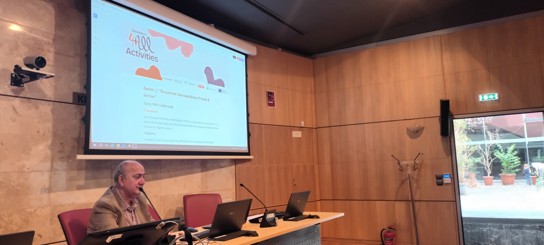
The activities held in 18th April 2026 convened a diverse group of 68 stakeholders, including policymakers, CSOs, researchers and participants from underrepresented communities, with the aim of fostering dialogue on migration, social inclusion and participatory governance.
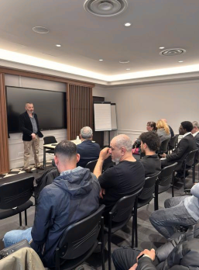 The discussions revealed a persistent gap between policy frameworks and their effective implementation on the ground. While formal mechanisms for inclusion and participation are in place, they often remain inaccessible to those most affected due to structural barriers such as administrative complexity, language constraints and socio-economic inequalities.
Participants highlighted the interconnected nature of these challenges, emphasizing that issues such as housing, employment and access to public services cannot be addressed in isolation. The need for more integrated, cross-sectoral approaches was strongly underlined.
A key finding of the activities is the limited inclusion of underrepresented communities in decision-making processes. Despite being directly affected by policy outcomes, these groups often lack effective channels to express their needs and contribute to policy development. This results in a disconnect between institutional responses and lived realities.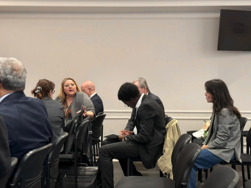
The discussions also demonstrated the importance of inclusive and participatory formats that enable meaningful exchange between stakeholders. Such approaches not only enhance mutual understanding but also contribute to the co-creation of more effective and context-sensitive solutions.
The insights gathered during the Paris activities will feed into the development of a comprehensive set of policy recommendations within the SOL4ALL project. These recommendations will be based on both cross-country analysis and context-specific inputs, ensuring relevance at local, national and European levels.
Moving forward, the project will focus on consolidating partner contributions, engaging key stakeholders and disseminating findings to support evidence-based and inclusive policy-making processes across the European Union.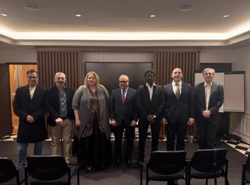
Overall, the Paris activities underline the need to move from formal inclusion frameworks towards more practical, accessible and community-driven approaches that can effectively bridge the gap between policy and practice.
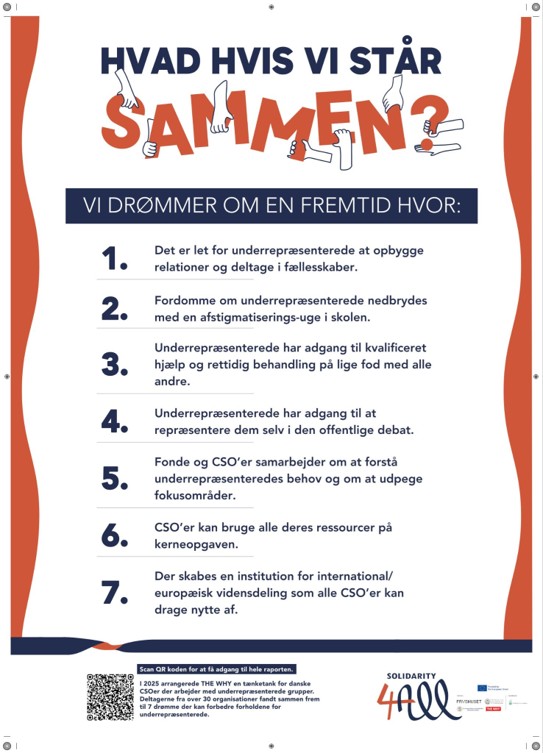
The event took place at Gloria Cinema in Copenhagen on the 18th of August 2026. 52 attendants were given a presentation on the activities of Solidarity For All throughout the project period, in Denmark as well as in the partner countries. We shared with them the highlights of the Evaluation report and illustrated common ground between the results of the project and the dreams we had collected from 30 Danish CSOs during our national think tank. 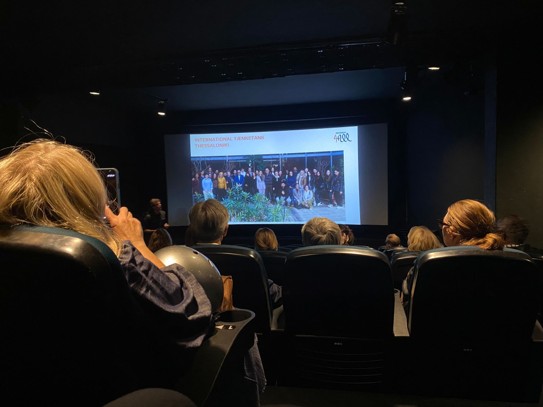
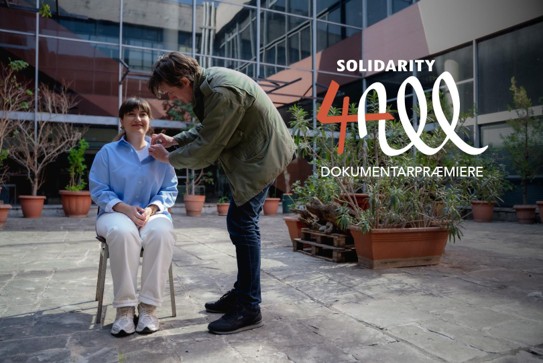
The results from the national think tank were further disseminated through posters and QR codes that directed the attendants to our national think tank report. Following we showed attendants the Solidarity For All documentary, produced by The Why. The film tells the story of the underrepresented and the road to participation through the Solidarity For All activities. It was well received and applauded. We then engaged the attendants in a debate about the project and the film, moderated by Martin Lange.
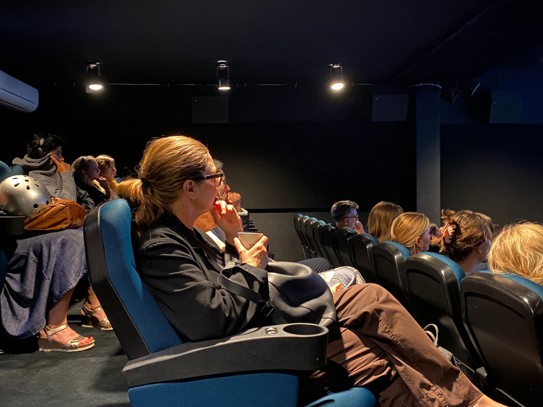 Many positive comments were shared, and ideas for dissemination and further use were discussed. Many CSO representatives saw their work and mission reflected in the film, and it was suggested to use the film for educational purposes in secondary education in Denmark, and to share it with CSOs that could use it to illustrate the usefulness of their work. In the following networking sessions representatives from Crossing Borders were especially interested in including the film in their work in Danish schools.
The seminar was attended by participants from the following organizations:
The Why Foundation, Crossing Borders, Fonden Bindeleddet, Mænds Helbred, Danida, Lær for Livet, WFU (Ukraine), Københavns Kommune, Orchid, Børnehjælpsdagen, Plus Pictures, UNICEF.
Programme:
14.30 – Meet and greet,
all the attendants get to know each other.
15.00 – Presentation of the Solidarity For All project by project manager for The Why, Martin Lange – special focus on results and dissemination.
15.30 – Screening of the Solidarity For All documentary produced by The Why
16.00 – Debate about the film and its dissemination, all attendants are welcome to participate
17.00 – Networking session
Between Jnauary and June of 2026, 3 partners (Aristotle Univ in Greece, Aga Khan Foundation in Portugal and Frushuset in Sweden) have implemented Local Solidarity activities.
These activities were designed, led and implemented by participants in the trainings held previously, using a “learn-by-doing” approach. The goal was to invite representatives from diverse communities to debate about local needs in terms of solidarity and participation and design solutions and initiatives that could be used to improve the lifes of underrepresented communities.
The activities not only provided moments of refletion, comunity sharing and participation, as also ment a significant visibility for several groups and local leaders, allowing first time access to local municipal resources and reputational and social capital growth. New partnerships are now forged that can go on well further the project end.
Below we present a summary of activities in each country:
GREECE
The first initiative presents a youth-focused “Volunteering Day” organized by university students, which successfully connected young adults with established civil society organizations to promote accessibility, digital literacy, and community volunteerism.
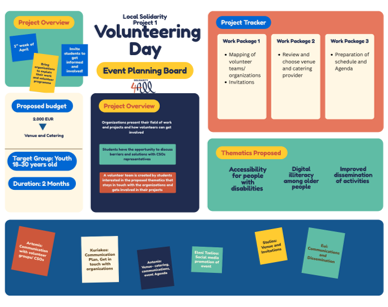
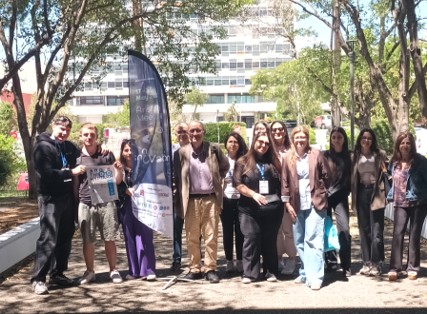
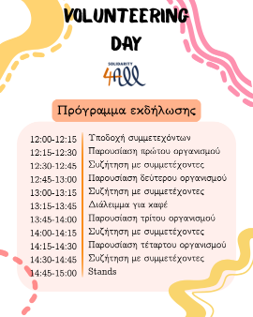
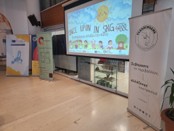
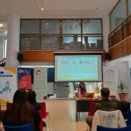
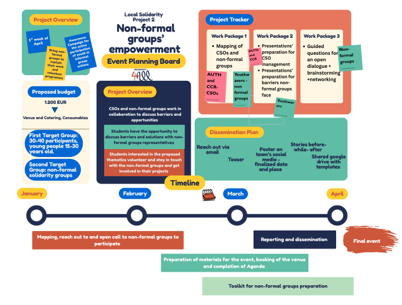
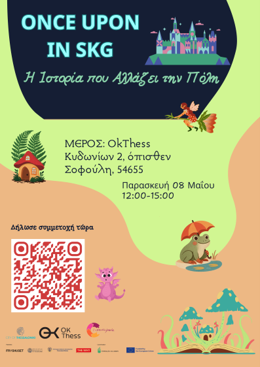
The second action, “Once upon in SKG,” shifted the management responsibility to local non-formal initiatives and civil society organizations, utilizing creative, allegorical storytelling and a Reverse World Cafe format to co-create solutions to operational obstacles. The final action integrated participatory art and social intervention through a historical theatrical reading performance by an amateur theater club, directly linking two-hundred-year-old testimonies of gender inequality and institutional barriers with modern-day civic dialogues.
Together, these activities form a cohesive portfolio of community engagement that effectively translates overarching European solidarity values into measurable, local achievements.
PORTUGAL
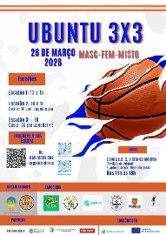
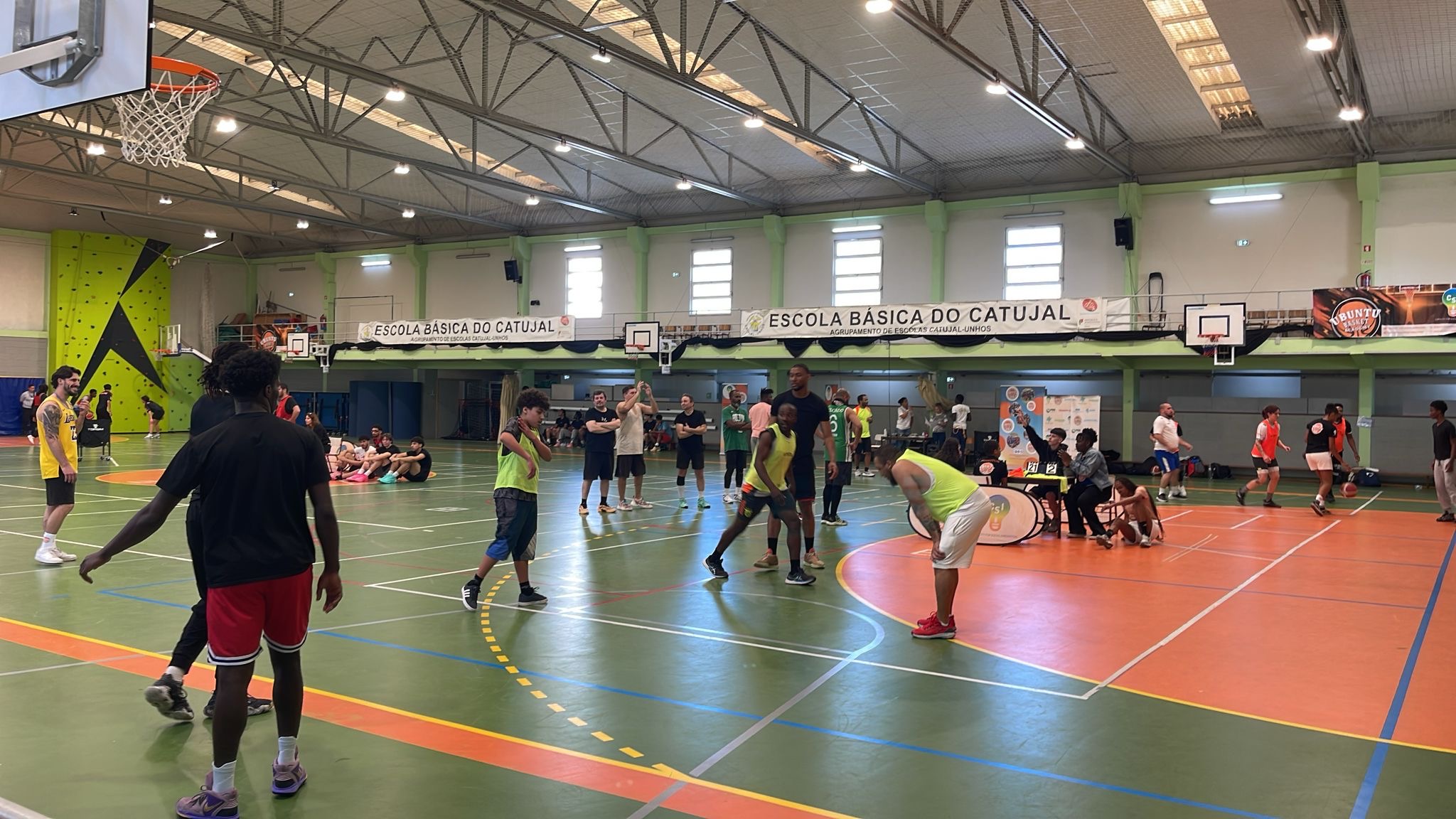
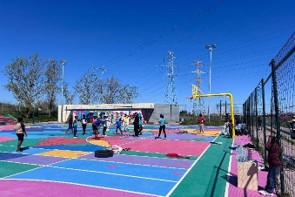
1.3×3 Basketball Tournament – Loures
The group was initially made up of 3 people who were in the training (WP 10), 2 belonging to 2 different local associations (CSI – Capacity for Social Innovation association and Batoto Yeto) and 1 joined as an individual. Another element that collaborates with one of the associations to support the development of this activity was also co-opted.
The objectives of the local solidarity activity were:
The activity is aimed primarily at young people and adolescents, mostly residents of the municipality of Loures, covering participants from different areas and neighbourhoods, with a special focus on promoting youth participation in a community context.
The evaluation was carried out later, with the organising team and the team of volunteers of the event, who collected feedback during the tournament, and which revealed, for example, that this tournament had effectively been recognized as a different tournament. The players who participate in other tournaments, including those organized by federations, considered that this had a different impact: they felt that in this “it was really to play basketball, only, without anything external, that was there bothering even in terms of competition. It was competitive (…) but a healthy competition”.
Also on the part of the parents, the feedback collected revealed that they felt tremendous pride in their children, as they saw them helping with concrete tasks, “so concentrated, so committed, doing everything so right. He never had that attitude and here [at the tournament] it seemed like he was in his job executing everything perfectly”.
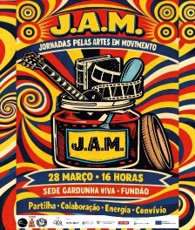
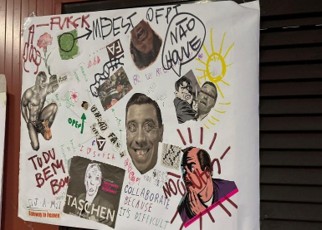
2. J.A.M.: JOURNEYS FOR THE ARTS IN MOTION – Fundão
The group was composed by 3 people who were in the CSO & UC training – WP10, 2 belonging to 3 different associations (Coletivo Montanha, Fatela Sónica e Fua Fura).
The objective of the local solidarity activity was the creation of partnerships that increases the visibility of artistic and cultural entities and with greater impact on the local population.
This activity arises from the recognition of the weak synergies between local entities (Beira Interior) of the cultural sector. The group decided to host a CSO gathering with the goal of promoting multidisciplinary partnerships between cultural entities, identify skills and resources of the cultural entities involved, increase the number of participants in the events/activities of cultural entities, and also create a transversal online cultural agenda.
J.A.M.’s satisfaction survey reveals a high level of overall satisfaction, with 55.6% giving the maximum score and 44.4% slightly lower ratings, indicating a very positive perception of the initiative. The participants suggested several cultural organizations in the region for future editions, reinforcing the interest in expanding the network of collaboration and diversity of entities involved.
3.Workshop on Nonviolent Communication – Fundão
The group was made up of 4 people who were in the CSO & UC training – WP10, 2 belonging to 1 association, 1 belonging to several local associations and 1 individual person.
The objective of the local solidarity activity was to foster active listening skills and non-judgment attitude towards students and families in the school context through a Nonviolent Communication workshop.
The activity initially had as its target audience teachers, educational assistants, parents of the Fundão School Group and political decision-makers, but ended up being limited to teachers and educational staff working at the school.
This activity arises from the group’s observation that there are still communication barriers in the territory and that it is urgent to promote a more inclusive and non-judgmental school environment.
The feedback obtained at the end of the session demonstrated the importance of this type of session in the continuous training of teachers and the willingness to continue these exchanges.
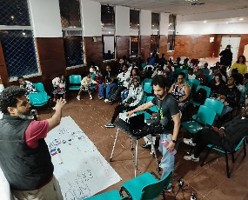
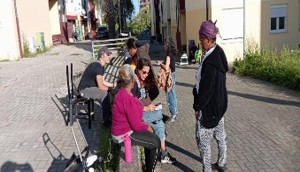
4.M.I.C. Community Day (Community Intervention Method) – Loures
The group was composed of several people who were in the training (WP 10), part of them belonging to 2 local associations (Mocho + e Social Innovation Sports) part belonging to an informal collective belonging to the Catholic Church and part participating individually. This group is interesting, from the point of view of its diversity, both in terms of ages and in terms of the vision they had for the implementation of the activity.
The objective of the local solidarity activity was to contribute to increasing participation and civic activity in the community and, at the same time, to create a co-constructed method with the community, to increase citizens involvement and ensure more appropriate responses to local needs.
The specific objectives were:
On the day of the event, more than 250 people were involved, from children to seniors.
In addition to the exceptional involvement of people of various ages who joined the activities, it was interesting to witness that some of them spontaneously supported the organizators of the event as the day went by, thus revealing high levels of community mobilisation and solidarity.
SWEDEN
Training of trainers for youth leadership training in Arvika Municipality, Sweden, 28-29 April 2026
Between 2025 and April 2026, Fryshuset developed and delivered a Training of Trainers programme in Arvika Municipality to prepare youth professionals and educators to facilitate Leadership Training for Young People. The training brought together professionals and volunteers from different municipal services working with young people as well as from local civil society organisations/groups and aimed to strengthen their capacity to support youth leadership, participation, and personal development through structured leadership education.
The process highlighted a strong local commitment to creating opportunities for young people to take responsibility, become positive role models, and actively contribute to their communities. It also demonstrated a need for practical, accessible tools that can help youth workers in public and non-profit programmes facilitate leadership development among young people in a consistent and engaging way.
Eleven participants completed the evaluation following the training. Overall, the feedback was highly positive. Participants reported that the training was well-structured, engaging, practical, and highly relevant to their professional roles. Several participants highlighted that the balance between theory, practice, discussion, and movement-based activities contributed to a positive learning experience and made it easier to remain engaged throughout the programme.
Participants expressed strong confidence in the trainers, describing them as knowledgeable, supportive, and well-prepared. The opportunity to actively test exercises and experience the programme from a participant perspective was repeatedly identified as one of the most valuable aspects of the training.
Many participants reported that the material provided practical tools that they could directly use when training young leaders. Several also stated that the programme strengthened their confidence in facilitating leadership development and gave them concrete methods to help young people take greater responsibility and leadership roles.
Another theme emerging from the evaluation was the value of meeting colleagues from different services and organisations within the municipality. Participants appreciated exchanging experiences, learning from different perspectives, and developing a shared approach to youth leadership development.
Local Activity Festival, Sweden, 11-14 June 2026
Fryshuset supported the implementation of an activity festival designed to promote participation, inclusion, and community engagement among children and young people. The initiative brought together local associations, clubs, youth leaders, and community stakeholders to provide free activities in a neighbourhood setting, creating accessible opportunities for young people to discover new interests and strengthen their connection to community life.
A total of 68 participants took part in the activity. Participants included children and young people from the local community, with young people (youth and children, who are the youth of tomorrow) identified as the primary target groups. This is a clear link to outcomes of previous project activities, such as the assessment (WP3), CoPs (WP2) as well as the national think tank (WP16), where local associations, local public officers, and primarily young people themselves, have expressed the need to engage in formal activities as a first step to participation, and that those activities need to reach young people in places where they already are. Through the project activities mentioned above, and compounding Fryshuset’s previous experience and knowledge, it was clear that young people are best reached through credible messengers, such as local role models and other young people who they can look up to. Thus, the majority of the youth workers at the festival were in those categories.
According to facilitators and participants, the activity festival successfully created an environment where participation felt easy, welcoming, and enjoyable. Youth leaders described the value of following young participants from their first encounter with an activity through to longer-term engagement in local clubs and organisations.
One recurring observation was the strong sense of community that developed among both participants and youth leaders. Returning youth leaders noted that relationships continued to grow across events, creating a culture of familiarity, trust, and mutual support.
Facilitators highlighted increased confidence as one of the most significant outcomes. Children became increasingly comfortable engaging with youth leaders, while youth leaders themselves grew in their ability to lead activities, make decisions, and promote participation. This change became particularly visible during longer activity periods, where relationships and trust had more time to develop. The initiative also generated practical outcomes, including stronger relationships between participants, greater collaboration between groups, increased motivation to participate, greater visibility of community needs, and the identification of new engagement opportunities. Participants expressed strong appreciation for the initiative, with some wishing the festival could remain longer in their neighbourhoods. Facilitators further observed that the accessibility of the activities, combined with the free-of-charge format, helped reduce barriers to participation and enabled more children and young people to become involved.
Youth Participation in Almedalen Week and National Participation Mechanisms, Sweden, 22-25 June 2026
Fryshuset implemented a youth participation initiative combining local trend scanning, youth leadership development, participation in Almedalen Week, and structured dialogue with decision-makers. The activity was designed to strengthen young people’s participation in democratic processes while testing existing national participation mechanisms and identifying opportunities for their improvement.
Almedalen Week is a unique annual democratic forum in Sweden on the island of Gotland, where people from across society come together to discuss public issues, strengthen participation, and promote inclusive decision-making. Prior to attending Almedalen Week, Fryshuset’s youth ambassadors conducted a youth-led trend-scanning process involving 170 young people from different regions and programmes across Sweden. Through local consultations, environmental scanning, and facilitated discussions, young people identified key societal issues affecting their lives, including employment and economic security, trust in institutions, social inclusion, participation, belonging, mental health, and future opportunities. The findings formed an evidence base that the youth ambassadors brought into national discussions during Almedalen Week.
According to participants and facilitators, the combination of local trend scanning and national-level participation created a particularly strong learning process. Young people reported feeling more confident entering discussions because they were not only representing themselves but were also carrying the perspectives and experiences collected from a broader group of young people. Participants described an increased understanding of democratic systems, public institutions, and the roles different societal actors play in shaping policy. Several also expressed a renewed motivation to engage in civic and political processes. One participant reflected: “I feel like I understand the actors in society better and what their roles are, and how they can collaborate.”
Another participant described a renewed interest in political engagement after previously feeling disconnected from formal democratic processes.
Facilitators observed that one of the most significant outcomes was the increased confidence participants developed in making their voices heard and representing the needs of the young people and communities they spoke on behalf of. This became visible both on stage during public discussions and in direct meetings with politicians and institutional representatives. Participants demonstrated an ability to engage in constructive conversations even when disagreements emerged. In one dialogue with a politician, youth participants and decision-makers held significantly different perspectives while maintaining a respectful exchange throughout the discussion. Facilitators highlighted this as an important example of meaningful democratic participation in practice.
The activity generated new network connections, strengthened partnerships, improved communication between stakeholders, increased visibility of youth perspectives through young credible messengers participating in all structured discussions within the scope of the project, and created opportunities for continued engagement between young people and decision-makers. Participants also reported receiving positive feedback from policymakers and other stakeholders who were moved by the experiences and stories shared during the event.
For all of us who work to bring forward the voices of underrepresented people across Europe.
Date: 24th of June
Time: 11.00-12.00 am (CET)
Activating solidarity
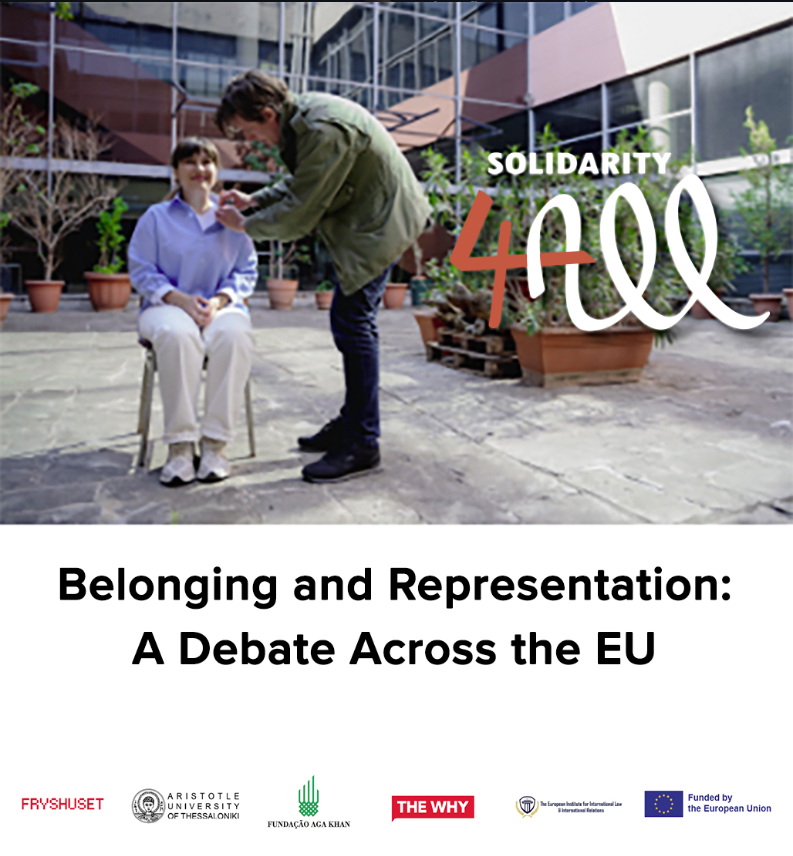
Many CSOs in EU countries work towards the inclusion and participation of underrepresented groups in their societies. Too rarely do we have the opportunity to share and learn from each other’s challenges and solutions. We’ve found that when people get together across countries and across sectors, a lot of new possibilities arise.
A film premiere
For two years Solidarity For All has worked to identify the best tools to create more inclusion and representation in European societies. The journey was documented in a film that reflects the challenges of underrepresented groups, as well as solutions to those challenges.
We take a look at organisational life in Denmark, CSOs in Greece and community activities in Portugal, and see what happens when all these people come together and share their experiences.
A project for you
We want Solidarity For All to be a resource that you can use to create and advocate for more solidarity in your local context. Besides sharing the ideas of the project with you, we invite you to share your thoughts with us in a live online debate during the webinar. We want to know how you can use Solidarity For All in your work. Participation in the debate is not mandatory, it is perfectly alright to just listen in.
Programme:
Please sign up to receive a participation-link:
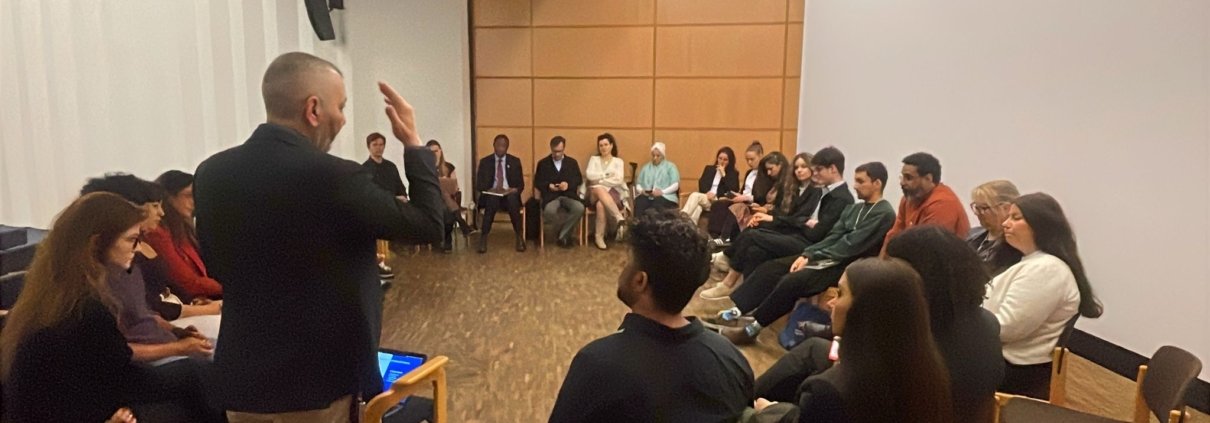
The past 11th of May all Solidarity4all partners gathered in Brussels for our final seminar. The partner, together with national and local authorities, youth representatives, people with a migrant and refugees background and other underrepresented groups, discussed the learnings of the project and the recommndations for public policy that steemed from the several project activities.
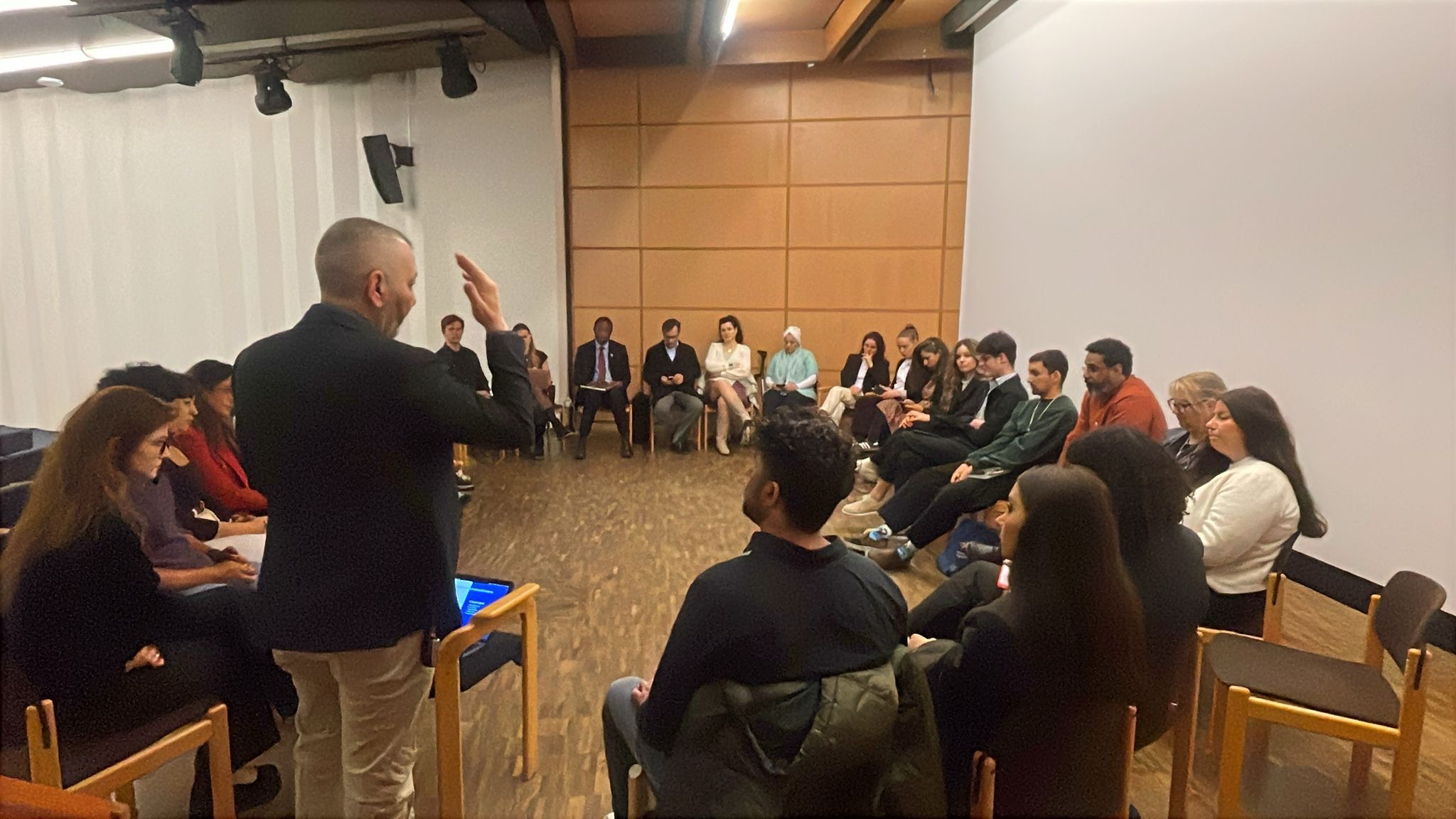
Participants representing municipalities, NGOs, universities, migrant-led organisations, youth initiatives, embassies, community mediators and civil society actors from various countries such as France, Belgium, Hungary, Egypt, Sweden, Syria, and South Sudan. Key outcomes included strengthened networks among diverse stakeholders and identification of practical approaches to enhance participation, democratic resilience, migration, inclusion, and social cohesion in European communities.
The event aimed to transform local experiences and grassroots realities into practical policy reflections and recommendations. Through interactive discussions, panel debates and stakeholder exchanges, participants explored the relationship between institutions and underrepresented communities, with particular attention given to migrants, minorities and socially excluded groups across Europe.
A central theme throughout the day was the idea that democratic participation cannot be reduced solely to formal political mechanisms such as voting. Participants repeatedly stressed that participation also takes place through everyday community life, volunteering, cultural activities, sports, neighbourhood initiatives, youth work and informal solidarity practices. Several speakers highlighted that these local and informal forms of engagement often create stronger trust and more sustainable inclusion than institutional consultation mechanisms alone.
Discussions also revealed a significant gap between institutional participation frameworks and the lived realities of many communities. Participants described public institutions as bureaucratic, difficult to access and often disconnected from everyday social realities. Language barriers, administrative complexity, limited feedback mechanisms and the use of institutional language were repeatedly identified as significant barriers preventing people from engaging with local authorities and public services.
Particular emphasis was placed on the importance of trust, representation and belonging as preconditions for meaningful democratic participation. Many participants noted that migrants and minority communities frequently do not feel heard, represented or welcomed within existing institutional systems. Several interventions stressed that participation becomes ineffective when individuals perceive themselves merely as targets of projects rather than active contributors capable of shaping decisions and community development.
Conference strongly highlighted the role of community mediators, grassroots facilitators and local leaders who already hold trust within communities and can therefore act as bridges between institutions and residents. Examples presented by participants from Portugal, Denmark and Greece demonstrated that direct dialogue, informal community spaces and person-to-person approaches often generate stronger engagement than formal top-down participation structures.
Another major conclusion concerned the need to move beyond symbolic participation toward genuine co-creation and co-decision processes. Participants argued that underrepresented communities should be involved from the earliest stages of policy development and implementation rather than being consulted only after decisions have already been prepared. The discussions further emphasised that long-term inclusion cannot be achieved solely through short-term projects, but requires sustainable structural approaches capable of addressing inequalities connected to housing, employment, education, legal insecurity and access to services.
The reflections, experiences and recommendations collected during the Brussels conference day will contribute to the development of the Sol4All policy recommendations and future dissemination activities at local, national and European levels.
During the months of May to August, national seminars will occur in all 5 countries, to share the results and the learnings of the project so far, ensuring dissenination and inspiring other projecats and organisations.
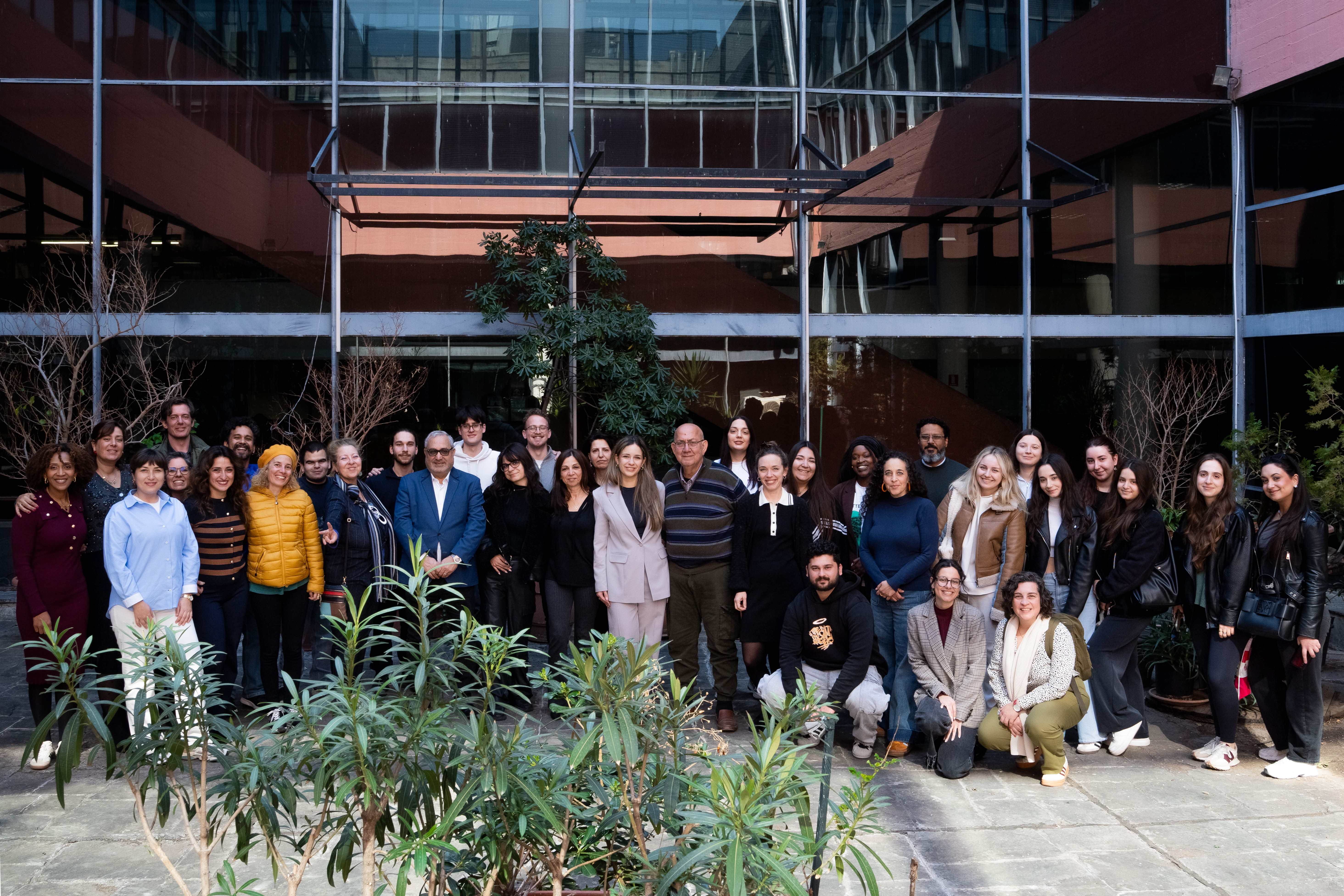
The past 12 and 13th of March 2026 marked the second solidarity4all international event. All the partners and representatives from several local authorities, CSOs and underrepresented groups gathered in the Aristotles University of Thessaloniki for 2 days of intensive exchange and mutual learning.
The event started with the sharing of experiences from participants from all national think tanks folowed by group work to analyse and work on policy proposals at the EU level, and ended with a commom understanding of the main points to address in policy for better participation and solidarity targeting communities that are historically marginalized.
During he months of December to March all the 5 countries engaged national stakeholder in fruitfull discussions to gather proposals. These proposals varied between access to affordbale housing for people with a migrant background and youth, education for democracy and participation in schols and the community, integeracional solidarity policies, accessible and better transports, community shared and co-managed spaces, inclusive cultural activities, legal support, youth councils with real influence, inclusive digital participation and real meaningful representation.
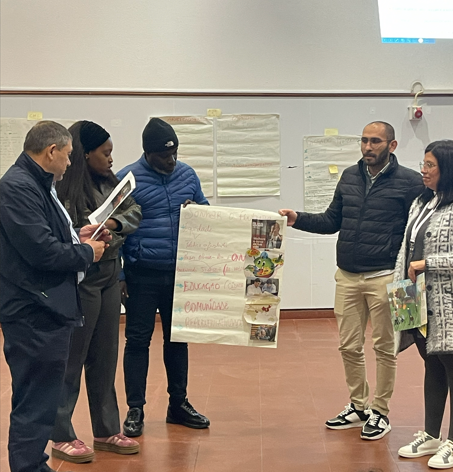
All the proposals will now be compiled into a policy brief and presented to national and international decision makers.
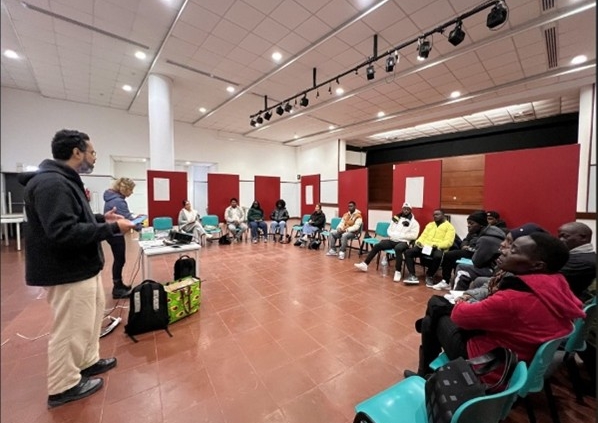
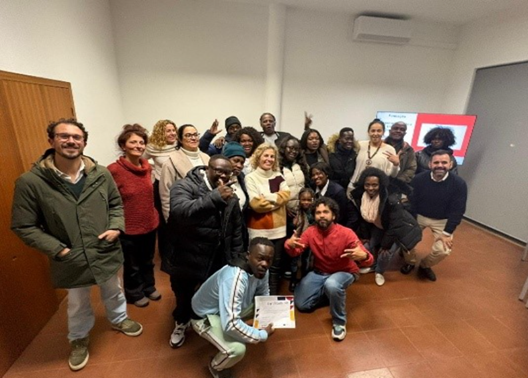
Sweden
In total, 36 people from diverse communities and Civil Society Organisations took part in several trainings.
Dialogue for Peaceful Change (DPC) training
During February 2025, a targeted capacity-building training was delivered by Fryshuset to strengthen dialogue and conflict management competencies among representatives of faith-based civil society organisations. A need that was visible already early on in the project, due to increased polarisation between different groups in Sweden, which has been observed as a challenge to participation for people from different cultural and religious backgrounds.
The training brought together members and active representatives from the Interreligious Council of Sweden (Sveriges interreligiösa råd, SIR), representing diverse faith communities. Participants were individuals engaged in interfaith collaboration and community-based dialogue work, seeking to strengthen their ability to manage tensions constructively and foster trust across religious boundaries, and through that increase solidarity and possibilities for participation for young people from different religious faiths on the diverse community they live in. The facilitators introduced practical tools for conflict understanding, analysis, and mediation, drawing on a peacebuilding approach originally developed in Northern Ireland.
Participants reported increased confidence in approaching sensitive or conflict-prone situations and highlighted the value of structured tools for understanding underlying dynamics in intergroup relations. The interactive format supported peer learning and reflection, contributing to strengthened trust and shared understanding among participants from different religious backgrounds.
Training on Participation & Democracy
Between March and September 2025, the project team also contributed to the design, planning, and facilitation of a training on participation and democracy for youth workers and managers of youth centres ran by Fryshuset in partnership with Nacka Municipality. This process revealed a knowledge gap among participants regarding democratic tools that can support meaningful youth participation, which the final training programme aimed to contribute towards.
Fryshuset Foundation aims to enable every young people to feel included in society, to see themselves as part of it, and to actively contribute to social development. A key element of this ambition is strengthening democratic awareness and participation among young people through the work of youth professionals.
The purpose of this training programme was to increase the knowledge and capacity of youth workers and managers in three youth centres in Nacka Municipality in Sweden, regarding democracy and civic influence. By strengthening their understanding of democratic processes and societal participation, the programme seeks to enhance their ability to support and promote young people’s influence, engagement, and active citizenship within their daily work.
According to participant evaluations, the training helped strengthen inspiration, knowledge, and understanding among youth leaders and coordinators. One of the tools that several participants mentioned as most useful was a list with suggestions of how to support young people’s influence, participation and advocacy. Another part was an inspirational session from a youth activist working to increase youth influence regarding climate issues, but also providing the training participant with knowledge regarding how to engage voluntarily for different causes and issues, where the participants learned about platforms for engagement that were new to them.
Building on these insights, the training concept will continue to be further developed within Fryshuset, drawing on knowledge generated through Sol4All, with the aim of scaling and disseminating it to additional programmes both within and beyond the network.
Throughout the project, dialogue was also initiated with organisations and municipal representatives beyond the primary implementation areas. For example, discussions were held with associations in Haninge Municipality regarding needs and aspirations for strengthening youth participation. Due to an ongoing organisational restructuring within the municipality, no formal training activities could be implemented during the expected period. However, joint design and planning processes were initiated to enable future capacity-building efforts once the new organisational structure is fully established.
Greece
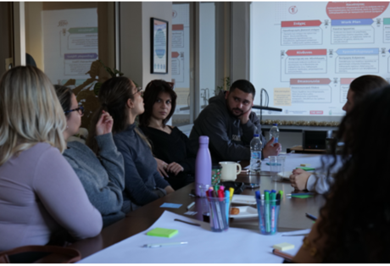
In Greece, 33 people took part in training for Civil Society.
Two capacity-building trainings for Civil Society Organizations (CSOs) were conducted in Thessaloniki, Greece under the framework of the Solidarity4All project, based on the priorities and needs identified through the Communities of Practice meetings. Both trainings followed the same agenda and were delivered in a hybrid format, allowing participants to join either in person or online. This format was selected to ensure broad participation, particularly for representatives living in other cities or those unable to attend physically.
Attendees included representatives from various NGOs and community groups, some of whom joined from different cities via a hybrid format. The group was characterized by a need to address fragmentation within the civil society ecosystem, overcome barriers faced by informal groups and strengthen skills in community mobilization and local project design.
Each training took place from 09:00 to 19:00, with a total duration of 10 hours, including scheduled breaks. The agenda covered a wide range of thematic areas essential for strengthening CSO operations and supporting their role in designing and implementing local solidarity actions.
In response to the perspectives shared through the Communities of Practice, the training agenda was developed to address both foundational and practical dimensions of civil society work. The sessions included thematic modules on Diversity, Equity & Inclusion; the formation of stereotypes and unconscious bias; administrative and partnership management for CSOs; financial management and fundraising; communication and social media strategies; and the design and planning of local solidarity projects to be carried out by April. This structure ensured that participants not only gained theoretical understanding of inclusion and discrimination dynamics but also acquired concrete tools to strengthen their organizational capacity, collaboration methods, and project implementation skills.
The training demonstrated high effectiveness in meeting participant expectations and enhancing their self-perceived competencies. Comparative analysis of the pre- and post training surveys revealed a notable increase in confidence across all measured areas, with the most significant gains observed in participants’ ability to encourage community activity and effectively use group activities for decision-making directly addressing core learning desires related to mobilization and participation. Furthermore, the overall training execution was rated exceptionally high, with participants expressing strong satisfaction concerning the supportive learning environment, the constructive group dynamics, and the clarity facilitated by the practical exercises. Future sessions can be strengthened by integrating qualitative feedback, which suggested reducing text on presentations and encouraging trainers to rely less on structured reading in favour of more illustrative examples
The evaluation revealed a significant and noticeable increase in participants’ self-perceived skills, particularly in the areas that CSOs had prioritized: community mobilization and the ability to use group activities for effective decision-making. This strong outcome confirms that the training successfully equipped participants with the action-oriented skills necessary to increase community engagement and implement local solidarity projects.
The overall quality of the training execution was exceptionally high. Participants expressed strong satisfaction with the supportive learning environment, the constructive
group dynamics, and the clarity facilitated by the practical, interactive exercises. The trainers’ approach and the creation of a safe atmosphere were particularly well-received. Furthermore, the strategic use of a hybrid format ensured maximum accessibility, successfully including representatives who could not attend in person.
Portugal
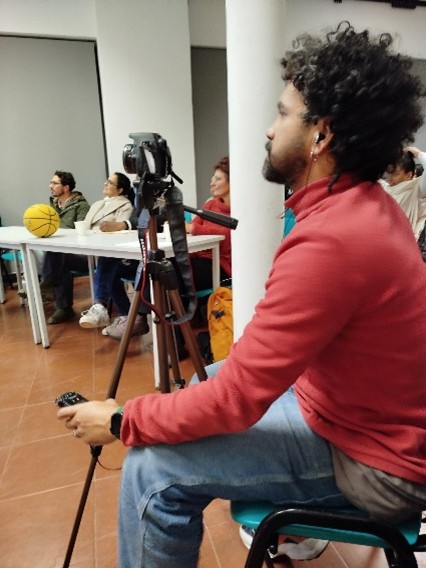
In total, 39 people participated in the trainings for Civil Society Organizations.
The training was designed based on an analysis of the training needs raised in the WP3 – assessment. In Portugal, it is recognised that training can strengthen the sustainability of associations, but the lack of time available limits participation. More than themes, the importance of training adjusted to the level of maturity of organizations and taught by trainers with real associative experience, capable of understanding the context and avoiding inappropriate content, was highlighted.
Therefore, AKF prepared a training entitled ”Community Development and Leadeship”, covering subjects such as Participation and Solidarity; Diversity and Inclusion, Mechanisms and models for participation and solidarity; Planning and designing local projects; Monitoring and evaluating projects.
In Fundão, in conjunction with the local authority, a training modality of 2 consecutive days was chosen. The training had 7 participants and was facilitated by 3 members of the Aga Khan Foundation. The municipality of Fundão and AIMA (online) were also invited for a detailed presentation of participation and solidarity mechanisms. The groundstigator accompanied the entire training.
At the end of the training, the participants were invited to brainstorm ideas for Local Solidarity Activities (WP 7
A final pitch was presented by each group to the Local Authorities representatives, generating great enthusiasm on the part of those present in the implementation of the projects. The groups pitched their proposals for local solidarity activities, to be developed in the following months, with LA – Local Authorities giving their feedback and ensuring their commitment and involvement in the projects presented.
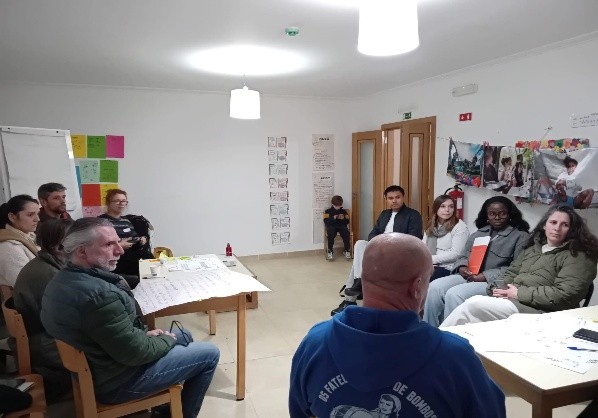
In Loures the training had 32 participants and was facilitated by 3 members of the Aga Khan Foundation. The municipality of Loures and AIMA were also invited for a detailed presentation of participation and solidarity mechanisms. The groundstigator accompanied the entire training
In conjunction with the local authority, a training modality for CSO & UC of 6 days, spread over several weeks, was chosen.
Despite the conditions of the space, they were decorated with training and pedagogical materials that helped to visualize the contents presented, as well as being examples of already tested resources to be used in the mobilization and participation of the community, as happened in Fundão, and therefore, in its likeness. The various posters and sheets resulting from the dynamics carried out were placed, reinforcing the identity of the group and the themes that were addressed.
Although the group was larger than expected, it was decided to accept all the people who wanted to participate and the environment of great expectation on the part of participants was essential to create an atmosphere of trust.
Considering the wide variety of participants’ profiles and their attendance, it was necessary to review the dynamics and reduce the time of some content, ensuring the sharing of the minimum information that would allow them to present a project at the end of the session and learn about local and national mechanisms that would allow them to increase the participation of the communities.
In Loures it was possible to have 3 guests – from the municipality, from AIMA and from the municipal assembly. The latter is a person who lived and is recognized in the neighbourhoods in Loures and who inspired with his history of activism and civic participation.
As with the previous group, at the end of the training the participants were invited to think of ideas for Local Solidarity Activities (WP 7): 3 ideas from 3 groups were presented through a pitch with the proposals for local solidarity activities to be developed in the following months.
For the pitch, Local Authorities were invited, as well as an entity based in the territory, generating great enthusiasm on the part of those present in the implementation of the projects and allowing the immediate exchange of contacts to support the activities presented.
The involvement of municipalities and groundstigators in the mobilization phase was decisive in reaching different audiences, namely people who do not normally participate (and even harbor some mistrust towards institutions), such as young people and women from different backgrounds living in contexts of social exclusion.
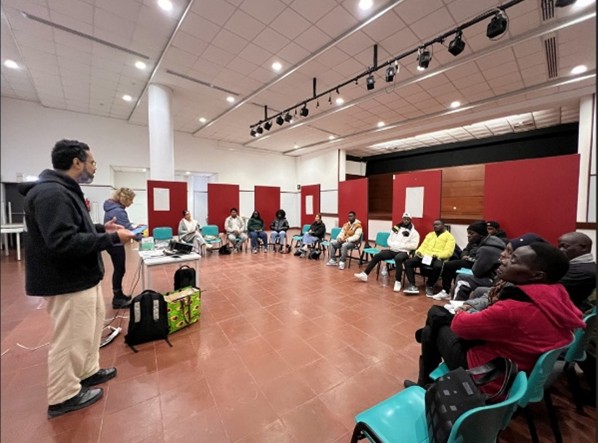
The participation of groundstigators in the trainings was essential to create a sense of belonging and closeness with all trainees and groups, essential for the implementation phase of local solidarity projects (WP7). In addition, they supported the recording of images and videos and the management of work with the group. The trainings were considered a success with most participants considering moving on to the implementation of local solidarity activities (WP 7). The presence of guests such as the municipalities and AIMA allowed the understanding in detail of local and national participation opportunities, and also the exchange of contacts. The participation of Local Authorities, as guests in the presentation of the pitches was a very significant moment as it demonstrated the interest of the municipality’s staff and other public and private entities in the project, and mobilized them as a resource for the implementation of the project, and eventually, after the project, reinforcing the local network of CSO partners.
The use of dynamic methodologies, practical examples and group work were appreciated by the trainees. The possibility for AKF to mobilise 3 staff with different backgrounds created an even more appealing learning environment.
Sweden
In total, 43 municipal officers from Arvika Municipality participated in several training activities to foster Participation and Solidarity.
NextGen Solution Training – Reaching Underrepresented Youth: The training was held in November 2025 and engaged a cross-sector group of municipal staff working with youth, as well as representatives from the Church of Sweden. Despite recruitment challenges due to local workload constraints, a relevant and diverse group of participants attended.
Fryshuset’s NextGen Solution training focused on strengthening professionals’ ability to reach underrepresented youth, particularly girls with foreign backgrounds, and to support their entrepreneurial development and sense of agency. This group within the larger group of ”youth”, was also identified during the assessment phase as particularly hard to reach with formal activities, thus showing a lack of participation in other activities than school for this group. A lack of representation from this group has been observed by the project team, both during the assessment phase and during other activities, which was one of the deciding factors for introducing the tools from NextGen Solutions; increasing possibilities for girls with foreign backgrounds to take on entrepreneurial roles and for local officers and decision-makers to gain increase understanding for structural barriers that this group is facing, as well as tools for how to reach girls from minority backgrounds.
The training resulted in concrete proposals for outreach and future activities, including potential workshops for identified participants.
Discussions generated multiple perspectives and strengthened participants’ understanding of how structural barriers affect youth engagement. The material developed during the training included both change-oriented frameworks and practical approaches for future implementation.
More process support may be needed moving forward to support increased participation and representation for the underrepresented group that this training is meant to facilitate solidarity and participation for. Thus, Fryshuset will continue the dialogue with Arvika Municipality and relevant CSOs on this topic.
Training on Youth Participation and Democratic Inclusion: municipal staff and decision-makers in Arvika Municipality took part in training to learn more about a structured model and practical tools for strengthening youth participation and inclusion in April 2025 in collaboration with Fryshuset, the training had the following objectives:
Participants engaged in structured reflection exercises exploring:
This work additionally served as preparation for a planned Future Search workshop on youth participation later in the year.
Participants valued the opportunity to jointly reflect across departmental roles. The session helped build a shared understanding of both challenges and future ambitions related to youth inclusion and created a stronger foundation for continued cross-sector collaboration.
Training on Engaging Motor-Interested Youth (MIU) – Säker Start (Safe Start): Additionally, municipal professionals responsible for planning and implementing activities for motor-interested youth participated in a new training in June 2025. The need was clearly expressed during the assessment phase, where motor-interested youth were viewed by others as at risk for destructive behaviours, as well as that rural youth (a category where several of the motor interested youth are also part of from an intersectional perspective) often felt excluded in urban activities. Thus, this training was seen as a pre requisite for developing a new youth-developed structured programme and space for motor interested youth in Arvika, drawing from Fryshuset’s experiences with similar programming in other parts of Sweden (mainly Karlskrona and Oskarshamn).
Participants expressed overall satisfaction with the training. Engagement increased significantly following programme adjustments after the first day.
Outcomes included improved understanding of the target group, practical tools and planning materials and increased readiness to initiate and implement activities.
Discussions and collaborative exercises contributed to greater alignment and clarity on future approaches.
Greece
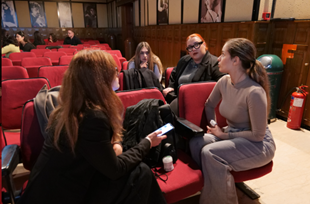
In Greece, 34 people attended the training, among elected officials, administrative staff, youth council representatives and students from the Aristotle University.
The Capacity Building Training for Local Authority representatives focused on translating concepts of solidarity, inclusion, and participation into concrete municipal practice. The full day session covered a wide range of thematic areas essential for promoting inclusive governance and strengthening social cohesion within local communities.
The sessions included themes such as Diversity, Equity, and Inclusion (DEI); Community Mobilization, Empowerment, and Belonging; Empathy, Solidarity, and Social Cohesion; Practical Application and Case Study Discussion; Review, Conclusions, and Next Steps: A final session dedicated to summarizing the modules, drawing holistic conclusions, and encouraging LAs to apply the learned tools to co-create inclusive initiatives in the subsequent phases of the Sol4All project.
The capacity building training for Local Authority representatives was a demonstrable success, fulfilling its strategic objective of enhancing the capacity for inclusive participation and social cohesion under the Solidarity for All (Sol4All) project. The training design was directly informed by the needs identified in the Communities of Practice (CoP) meetings, providing a highly relevant curriculum structured across three essential thematic modules. This structure ensured participants received both the foundational awareness necessary to challenge unconscious bias and the practical tools needed for effective community engagement.
The use of participatory and experiential methodology, highlighted by activities like the “Flower of Diversity” and practical case study applications, was key to the high quality and positive feedback received. Participants rated the effectiveness of these activities exceptionally high, affirming the training’s success in translating complex concepts into actionable knowledge. Crucially, the assessment results validated the strategic approach, showing a significant average gain in self-assessed competency across all measured areas.
The most impactful changes were seen in the confidence to drive community-led initiatives and the critical understanding of participation limitations, demonstrating that the training successfully empowered LAs to move beyond theoretical commitment to practical action.
In synthesis, the training did more than just impart information; it enhanced the self-efficacy of LA staff, validated the core Sol4All framework of Empathy-Solidarity-Cohesion, and equipped local government with the capacity required to co-create inclusive and resilient communities for the subsequent phases of the project.
Portugal
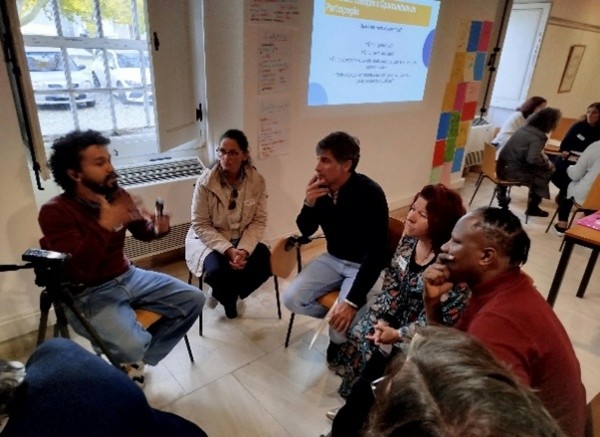
In Portugal, 34 municipal and public services officers from the cities of Fundão and Loures took part in training to develop their partcipatory approaches. The training was entitled ”Participatory Methodologies” and included subjects as: Diversity and Inclusion; Community mobilization; Participatory assessments; Participation and civil society; Community-led initiatives.
For the implementation of this WP, groundstigators were recruited, with the support of the respective municipalities where the trainings were held.
Groundstigator is a term created by the Aga Khan Foundation Portugal in 2017 and adopted by the Council of Europe to value the role of people in the community as researchers and experts “in/from the field”, acting as thinkers and attentive observers of people’s diverse perceptions, regardless of their education or level of academic qualification.
In the Solidarity4All project, groundstigators are part of the team that will promote training and other events with people from diverse backgrounds and underrepresented groups, namely through their support in the mobilization of officers from NGOs and public organizations for the training, and in the development of community-led activities, with the support of the municipalities. The Grounstigators work as mediatiors, facilitatiors and mobilizers to promote dialogue between under-represented groups and between them and local institutions. Promoting the civic and political participation of underrepresented groups trough facilitating the resolution of cultural or social conflicts that may arise is also an important role, as well as collecting data on the needs and challenges faced by underrepresented communities and groups in civic and political participation.
In Fundão, the training had 17 participants and was facilitated by 3 members of the Aga Khan Foundation. The municipality of Fundão and AIMA – National Migrations Agency were also invited for a detailed presentation of participation and solidarity mechanisms. The groundstigator accompanied the entire training.
In Loures, in collaboration with the local authority, a 6-day training modality for LA was chosen, spread over several weeks.
The training had 14 participants (and 26 registrations) and was facilitated by 3 members of the Aga Khan Foundation. The municipality of Loures and AIMA were also invited for a detailed presentation of participation and solidarity mechanisms. The groundstigator accompanied the entire training.
The involvement of municipalities and groundstigators in the mobilization phase was decisive in reaching the Local Authorities. The groups were composed only of staff from the municipality, especially from the same departments, although in Loures there was a greater diversity of areas. The decision to join NGO staff was positive, as these people are officers from professionalized associations (unlike the training of CSO & UC – WP 10), as it allowed other perspectives on the territory and approaches used. The participation of groundstigators in the trainings was essential to create a sense of belonging and closeness with all trainees and groups, essential for the implementation phase of local solidarity projects (WP7). In addition, they supported the recording of images and videos and the management of work with the group.
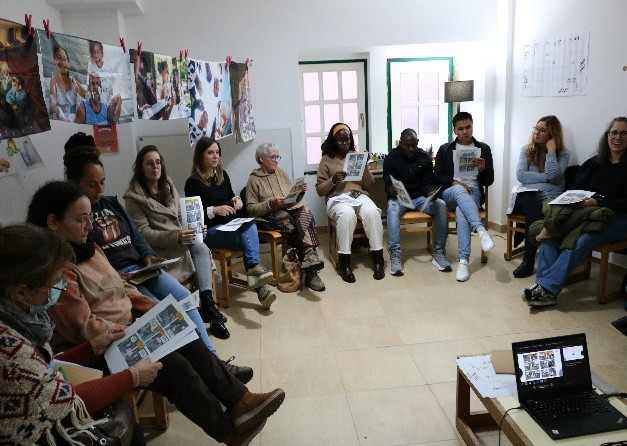
The trainings were considered a success because the most frequent obstacles identified in the diagnostic phase of the training were communication failures and lack of information, together with language and cultural barriers. Difficulties in mobilizing communities on a continuous basis and demotivation or mistrust, especially from hard-to-reach groups, including young people, and limitations related to lack of methodologies, human resources and complex legal framework also emerged with high frequency.
The presence of guests such as the municipalities and AIMA allowed the understanding in detail of local and national participation opportunities, and the exchange of contacts.
The use of practical activities and “hands-on” methodologies, examples and group work were appreciated by the trainees. The possibility for AKF to provide the training with 3 more officers with different backgrounds created an even more appealing learning environment.